
Learn how to pack and move a sunroom the right way — furniture, fragile décor, plant collections, and all. Step-by-step tips from 2 Jacked Guyz professional movers.
Figuring out how to pack and move a sunroom is one of those moving challenges that almost always gets underestimated — until moving day arrives and you are standing in the middle of a room surrounded by wicker furniture that has no obvious way to stack, a collection of potted plants in heavy ceramic pots, glass-topped accent tables, delicate figurines displayed on floating shelves, and roller shades or curtain panels threaded through custom hardware that was never meant to be removed. The sunroom sits at the intersection of indoor comfort and outdoor exposure, which means it tends to collect furniture, décor, and living plants that are simultaneously bulky, fragile, and oddly shaped. Add in the abundance of natural light — and the large glass panels, skylights, or floor-to-ceiling windows that make that light possible — and you have a room that requires more care than most people expect when they first add it to the moving list.
The good news is that packing and moving a sunroom — even a large, fully furnished one with a serious plant collection and years of accumulated décor — is completely manageable when you approach it with the right materials, the right sequence, and a clear understanding of what each category of item actually needs. And if you would rather hand the heavy lifting to professionals who know how to handle everything from a rattan sectional to a delicate stained-glass panel, the team at 2 Jacked Guyz professional movers is ready to take it from overwhelming to done.
Before you reach for a single box or start disassembling anything, walk through your sunroom slowly and take a genuine inventory of everything in it. Sunrooms have a way of becoming the household's secondary living space — a place where spare furniture lands, where plants multiply, where decorative objects accumulate without much intention — and that means the actual volume of what needs to be packed is often larger than it looks at first glance.
As you walk through, sort everything into three honest categories: move it to the new home, donate or sell it, and discard it responsibly. That oversized wicker loveseat with the sagging cushions that you have been meaning to replace for two years is a strong candidate for donation rather than a moving truck. The cracked ceramic planter you keep meaning to repot something into, the sun-bleached outdoor rug, the decorative lanterns that have been sitting empty since you bought them — all of these deserve a hard look before you commit to packing and transporting them.
Once you know exactly what is making the move, you can plan your materials and sequence around a real list instead of vague assumptions. A more intentional list means fewer boxes, a lighter load, and a sunroom at the new home that starts fresh instead of importing the accumulated clutter of the old one.
Sunroom furniture presents a unique packing challenge because it is almost never designed with moving in mind. Wicker and rattan pieces are lightweight but structurally fragile — the woven construction that makes them beautiful also means they crack, splinter, and snag under pressure. Upholstered pieces like cushioned chairs and loveseats are bulky and awkward to wrap. Here is how to handle each category.
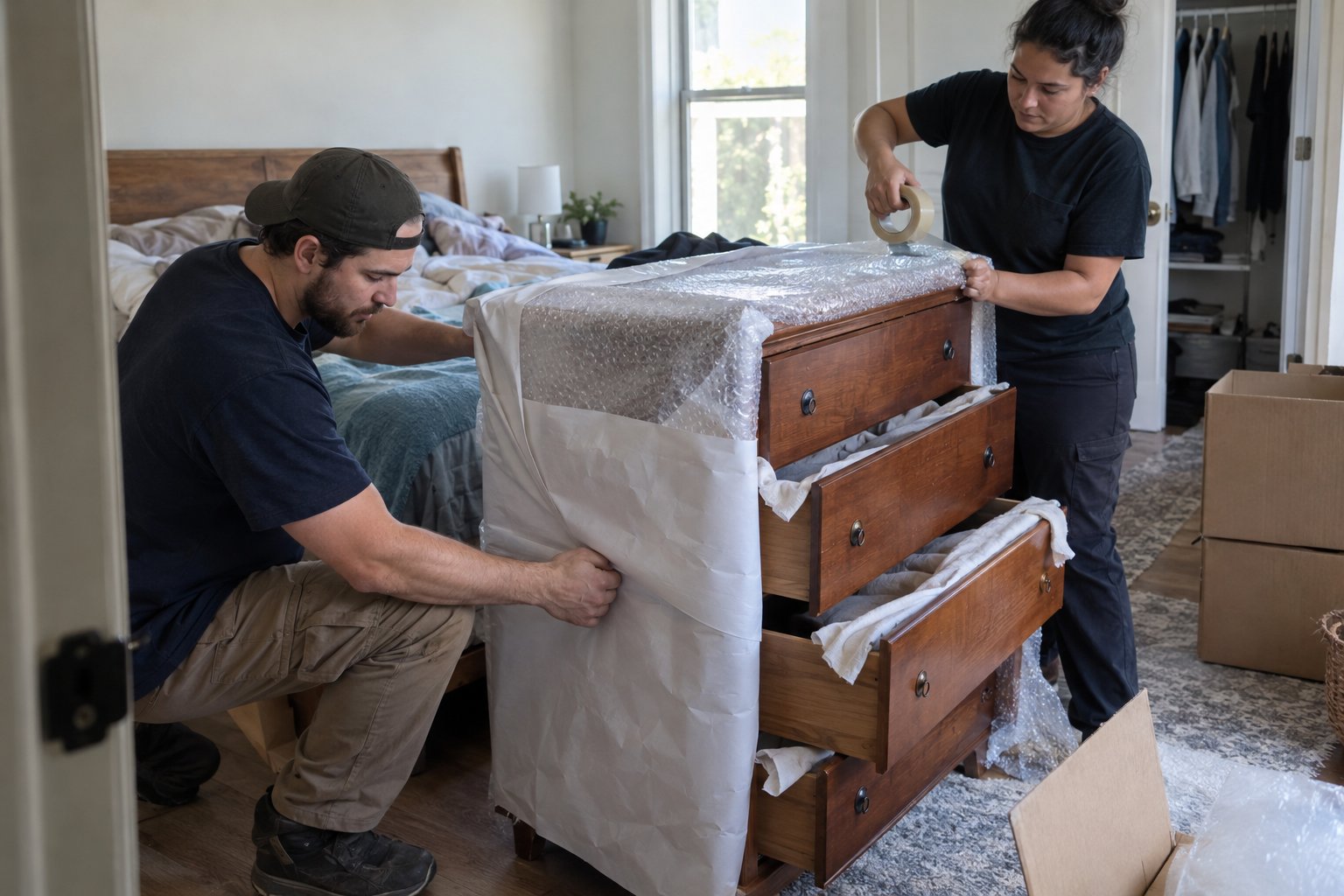
For wicker chairs, side tables, and shelving units, the priority is protecting the woven surface from impact and abrasion. Wrap each piece in moving blankets and secure with stretch wrap or moving bands — not tape applied directly to the surface, which can pull fibers when removed. Wicker pieces should never be stacked directly on top of each other in the truck. If you must stack, place a moving blanket between pieces and keep the weight distribution light. Rattan frames can flex slightly under load, which is actually helpful during transport — but sharp impacts to corners or legs can cause cracking that is difficult to repair.
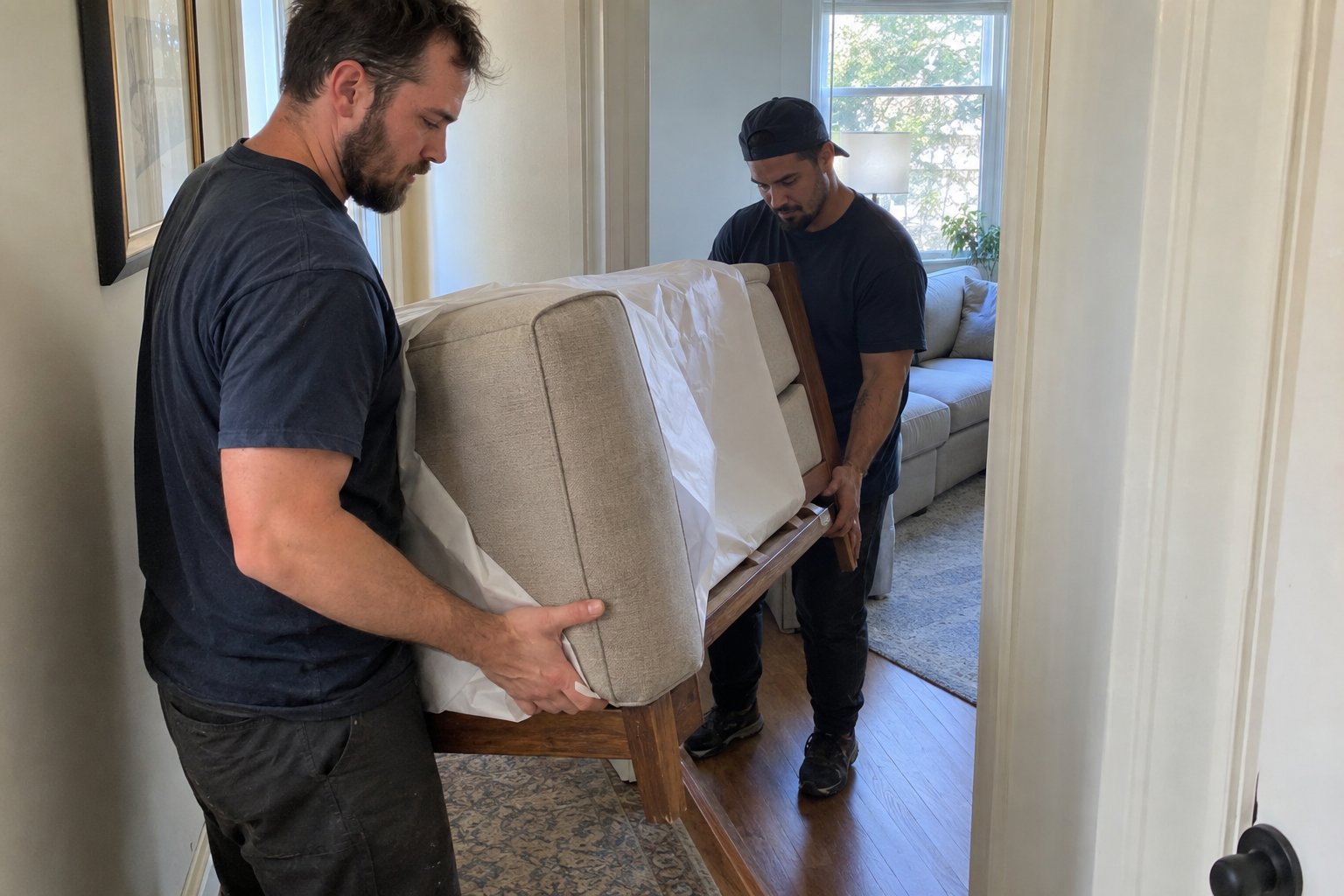
Remove all cushions from furniture before moving. Place them in large contractor bags or vacuum-seal storage bags to compress them and protect them from moisture and road dust. Label each bag so cushions return to the right piece at the new home. For upholstered sunroom chairs or loveseats that cannot be disassembled, wrap the entire piece in stretch wrap to keep the fabric clean, then layer moving blankets over the top for padding during transit.
Glass tabletops should always be removed from their bases before moving — even if the base appears secure. Wrap each glass piece in several layers of packing paper, followed by a layer of bubble wrap, and secure with tape. Stand glass panels and tabletops on their long edge rather than laying them flat in the truck — glass is significantly more resistant to pressure and vibration when standing upright. Mark every glass package clearly with "FRAGILE — GLASS — DO NOT LAY FLAT" on multiple sides so there is no ambiguity during loading and unloading.
Sunrooms tend to accumulate decorative objects in higher concentrations than most rooms in the house — because the bright, airy atmosphere invites display. Figurines, ceramic pots, wind chimes, hanging mobiles, framed botanical prints, and sculptural pieces all need individual attention during the packing process. Grouping them loosely in a box and hoping for the best is a reliable recipe for breakage.
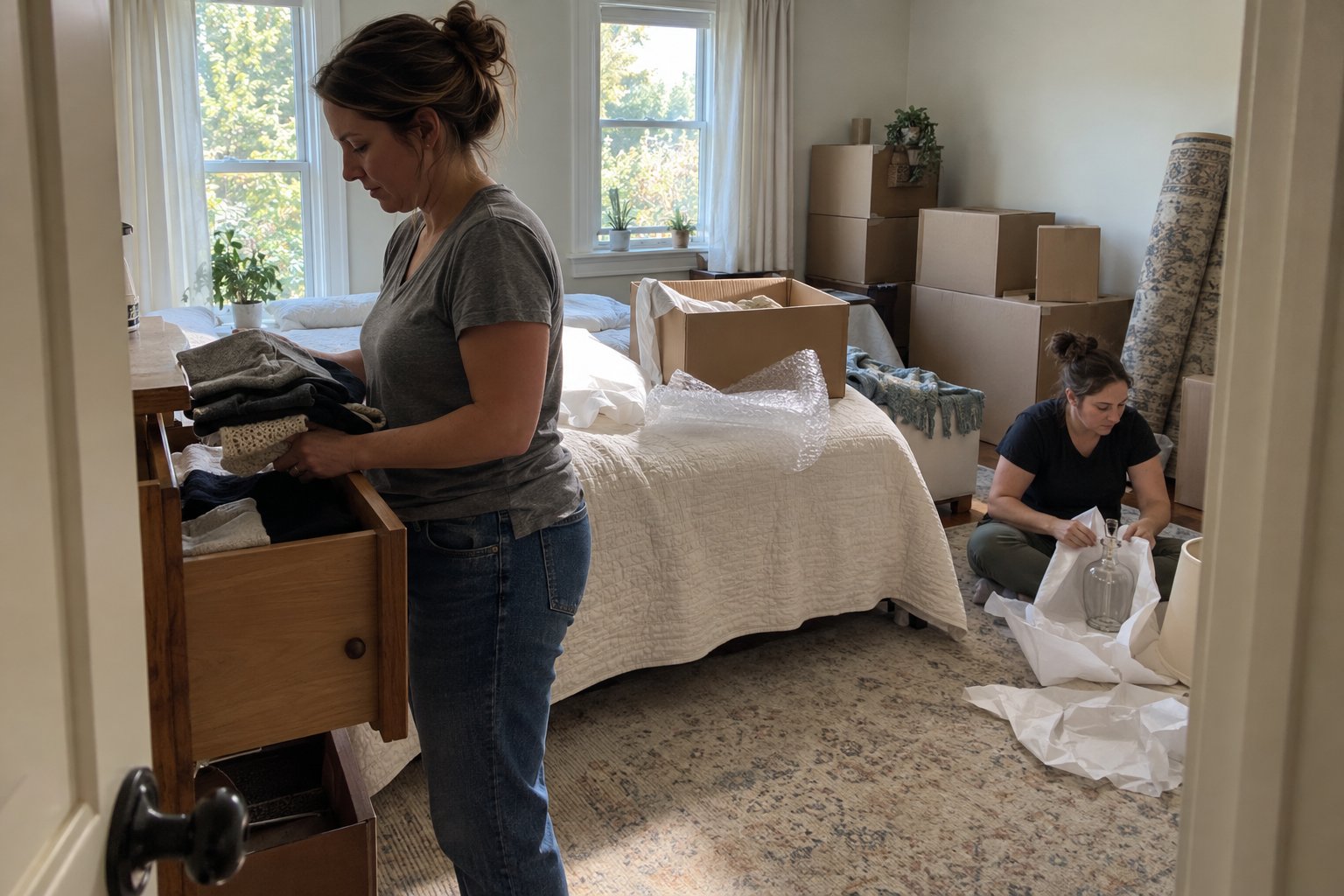
Wrap each figurine or ceramic piece individually in at least two sheets of packing paper, then add a layer of bubble wrap for any piece that is fragile or irregularly shaped. Place wrapped items in small or medium boxes with a base layer of crumpled packing paper, nestled closely enough that nothing shifts but not so tightly compressed that pieces press against each other. Fill all vertical and horizontal voids with packing paper so contents cannot move during transport. Mark the box "FRAGILE — THIS SIDE UP" and do not stack anything heavy on top of it in the truck.
Framed pieces from a sunroom are often exposed to higher humidity and temperature fluctuation than artwork in interior rooms, which can cause frames to warp or glass to loosen over time. Before packing, inspect each frame for loose glass or unstable backing. Wrap each piece in packing paper followed by bubble wrap, and pack upright in a mirror box or picture box if available. If you need to pack multiple framed pieces together, place a sheet of cardboard between each piece and keep the stack vertical rather than horizontal.
Wind chimes and hanging mobiles are some of the most awkward items to pack because of their irregular shapes and tendency to tangle. Secure all moving parts with a rubber band or twist tie before wrapping, then wrap the entire piece loosely in packing paper and place it in a box with generous padding on all sides. Remove all wall hooks, curtain rods, and shade hardware before packing and seal them in a labeled zip-lock bag taped to the corresponding box so nothing gets separated at the new home.
A sunroom plant collection presents one of the most genuinely difficult moving challenges in the entire house. Plants are living organisms — they do not tolerate being sealed in boxes, they are sensitive to temperature extremes, and they are fragile in ways that no amount of bubble wrap can fully solve. At the same time, a mature plant collection represents years of care and investment, and many of the plants in a sunroom are species that thrive specifically because of the light conditions there. Moving them well requires planning that goes beyond standard packing strategy.
If possible, begin preparing your plants two to three weeks before moving day. Repot any plant that is significantly root-bound into a slightly larger container — a plant that is already stressed by its container will handle the stress of moving much worse than one with room to breathe. Reduce watering slightly in the week before the move to prevent soil from becoming waterlogged and heavy. Prune back any long, trailing growth that would be difficult to protect during transport and trim away any dead or damaged leaves that could harbor pests.
On moving day itself, plants should travel in the climate-controlled cab of your personal vehicle rather than in the back of the moving truck whenever possible. The temperature swings, darkness, and movement in the cargo area of a truck are hard on plants — especially tropical species, which are common in sunrooms and are sensitive to cold. For larger plants that must travel in the truck, place them in open-top boxes or secure them in plastic laundry baskets to keep them upright, and load them last so they are unloaded first and not buried under boxes for hours.
Wrap the soil surface of each pot with plastic wrap or a plastic bag to prevent soil from spilling during transit, but leave the top of the plant uncovered so it can breathe. Do not water plants immediately before loading — moist soil is significantly heavier than dry soil and increases the risk of tipping. For large, heavy planters, drain as much excess water as possible before moving day to reduce weight and prevent leakage.
Large ceramic or terra cotta planters are among the heaviest single items in a sunroom, and they are also among the most fragile. Terra cotta is particularly susceptible to cracking when dropped or when subjected to pressure on a single point. If a planter is too large to move with the plant still inside, carefully remove the plant and its root ball, wrap the root ball in burlap or plastic, and transport plant and planter separately. Wrap the empty planter in moving blankets and secure with stretch wrap. Place it upright in the truck — never on its side — with soft padding on all contact points.
Once the furniture is wrapped and loaded, the décor is packed, and the plants are secured for transport, take one final pass through the sunroom before closing the door. Check window tracks, sill ledges, and corner shelves for small items that are easy to miss — a forgotten succulent in a windowsill, a figurine tucked behind a chair, a pair of reading glasses on a side table. These last-minute discoveries are common in sunrooms because the room is used casually and things get set down without much thought.
Check that all custom hardware — curtain rod brackets, shade mounts, hanging plant hooks anchored into the ceiling — has been properly removed or documented if it is being left for the new owners. If you are leaving hardware behind, take photos before you go so you have a record of what was installed and where. If you are taking it with you, bag and label it carefully so it does not end up loose in the bottom of a miscellaneous box at the new house.
A sunroom packs down to more than most people expect and less than most people fear — especially when the process is organized, the materials are right, and the sequence is clear. And when you want a team that handles your sunroom furniture, your fragile décor, and your plant collection with genuine care, 2 Jacked Guyz professional movers brings the expertise and equipment to get it done right.
Request a personalized quote and see how careful planning and reliable service make every move smoother. Our team prepares each step to handle challenges safely and efficiently.
Plants can travel in a moving truck for short moves, but for longer distances or in extreme temperatures, it is strongly recommended to transport them in the climate-controlled cab of your personal vehicle instead. The temperature swings, darkness, and extended time in a cargo area are hard on most plants — especially tropical species common in sunrooms. If they must go in the truck, load them last, unload them first, keep them upright in boxes or laundry baskets, and avoid sealing them in enclosed containers where they cannot breathe.
Remove the plant and its root ball first if the planter is too heavy to move with the plant inside. Wrap the empty planter in moving blankets and secure with stretch wrap, then place it upright in the truck — never on its side — with soft padding under and around it. Terra cotta is brittle and cracks easily under point pressure, so avoid placing anything against it that could shift and strike the surface during transit.
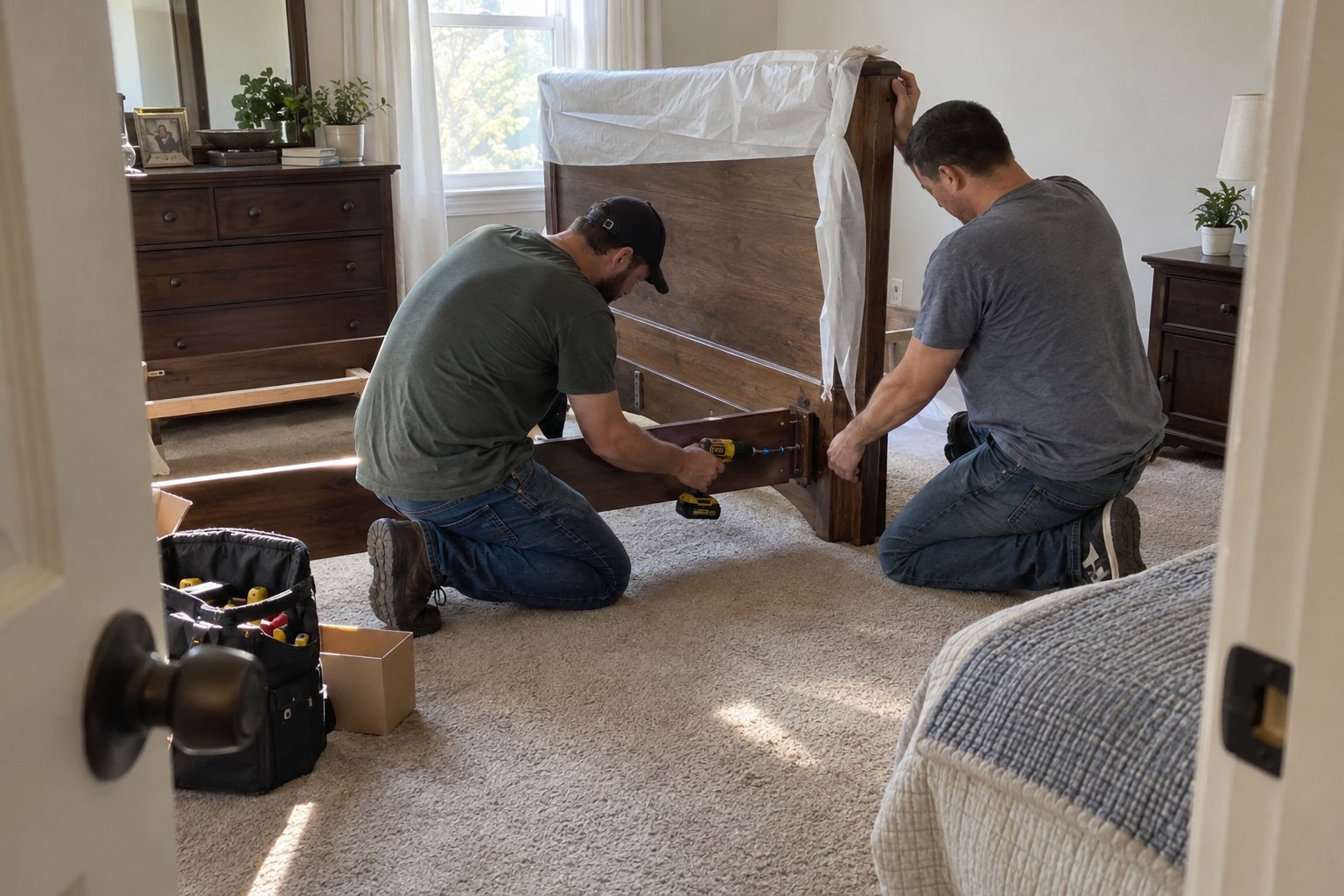
Wicker and rattan furniture that can be partially disassembled — such as sectional pieces or shelving units — should be broken down to reduce bulk and protect structural integrity during the move. Pieces that cannot be disassembled should be wrapped individually in moving blankets secured with stretch wrap, and should never be stacked directly on top of each other without padding between them. Avoid applying tape directly to wicker or rattan surfaces, as it can pull fibers or finish when removed.
Always remove glass tabletops from their bases before moving. Wrap each glass piece in multiple layers of packing paper followed by bubble wrap, secure with packing tape, and mark the package clearly as fragile. Glass should be transported standing on its long edge rather than lying flat — it is far more resistant to pressure and vibration in an upright position. Use a purpose-made glass or mirror box if you have one, or create a snug fit with cardboard padding on both sides.
Ideally, begin preparing sunroom plants two to three weeks before your move date. During that window, repot any significantly root-bound plants into slightly larger containers, reduce watering in the final week to lighten the soil weight, and prune back long trailing growth that would be difficult to protect during transport. The less stressed a plant is going into moving day, the better it will recover from the inevitable disruption of being moved.
No long forms, no delays. Just a move that’s ready when you are. Secure your moving date today.