
Learn how to move a fish tank without stressing or killing your fish, from bagging livestock to breaking down the aquarium and resetting it at your new home.
Learning how to move a fish tank comes down to one central problem: you are relocating a living ecosystem, not just a piece of glass furniture. The water, the gravel, the filter media, and the fish themselves all need to survive the trip in a specific order, or you risk losing the biological balance that keeps your fish alive. A tank that took months to cycle properly can crash in a matter of hours if it is handled the wrong way during a move.
Unlike a dresser or a bookshelf, an aquarium cannot simply be drained, loaded, and refilled at the other end without consequence. The bacteria living in your filter and substrate are what actually keep ammonia and nitrite from poisoning your fish, and those bacteria need to survive the move too. The good news is that with the right sequence, most home aquariums can be relocated with minimal stress on the fish and no need to restart the tank from scratch.
No, not for anything beyond a short shuffle across the same room. Water is heavy, and the sloshing motion of a car or truck ride puts enormous stress on the seams and seals of glass or acrylic tanks, especially tanks over 20 gallons. Even a small crack that would never show up sitting still on a stand can spread wide open under the shifting weight of moving water.
For any move longer than a few feet, drain the tank down before transport. You will move the water separately in sealed containers and the fish separately in bagged or bucketed water, then rebuild the tank at the destination using as much of the original water and bacteria as possible.
If you are only moving the tank to another spot in the same room or house, and you can keep it level the entire time, you may be able to leave a small amount of water in a lightweight tank under 10 gallons. Even then, most experienced aquarium keepers still drain most of the water first. It only takes one uneven step to crack a stressed seam.
Fish travel best in a portion of their own tank water inside a sealed, insulated container, kept at a stable temperature and away from direct light. Stop feeding them 24 hours before the move so they produce less waste in the transport water, which keeps ammonia levels lower during transit.
For short trips under a few hours, clean, food-safe buckets with secure lids work well. For longer moves, use breathable fish bags (the kind pet stores use) filled about one-third with tank water and two-thirds air, sealed tightly with a rubber band or bag clip. Place bagged fish inside a cooler or insulated box to buffer against temperature swings, and never leave them in a hot car or direct sun, even for a short stop.
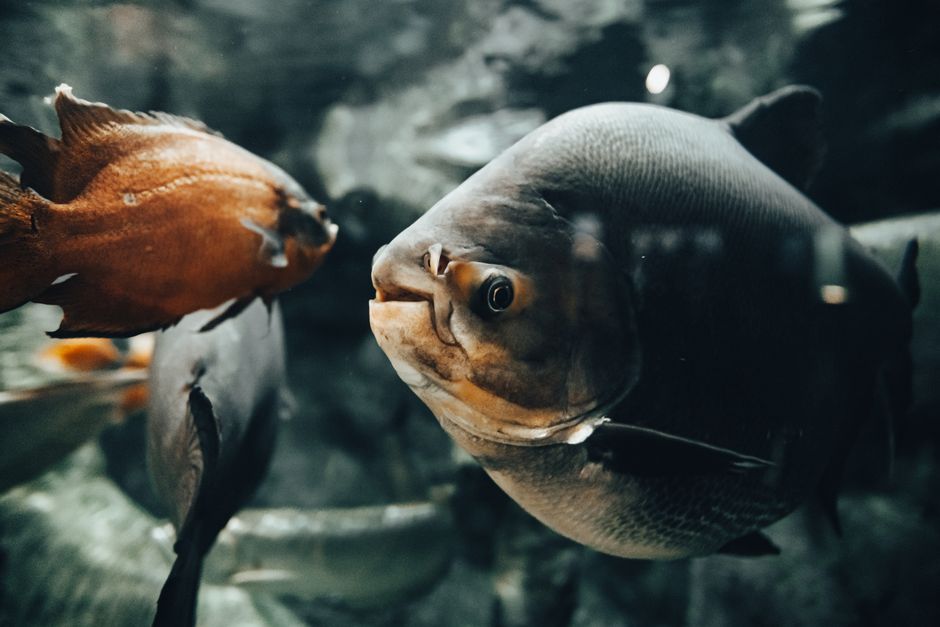
Keep predatory or aggressive species separated from smaller tank mates during transport. Fish that normally coexist in an open tank can behave differently in the cramped, stressful confines of a bag or bucket.
Your filter media and a large portion of your original tank water are the most important things to preserve, because they carry the beneficial bacteria your tank relies on to process fish waste. Losing that bacterial colony is the single biggest reason aquariums crash after a move, so protecting it matters more than protecting the glass.
Before draining, siphon at least half the tank water into clean, sealable buckets or jugs. Leave your filter media (sponges, cartridges, bio-balls) damp rather than letting it dry out, and if the trip will take more than a couple of hours, keep it submerged in a bit of the saved tank water. Substrate, especially if it is well established gravel or sand, can also be bagged in some of that same water rather than rinsed clean.
Live plants and decorations should be wrapped in wet paper towels or kept in a bag with a little water so they do not dry out or die back before you can replant them.
Empty the tank completely of water and gravel before moving it, then transport it upright, padded, and never stacked under other items. An empty glass tank is far more fragile than it looks, and pressure from the wrong angle can crack a panel that would otherwise hold for years.
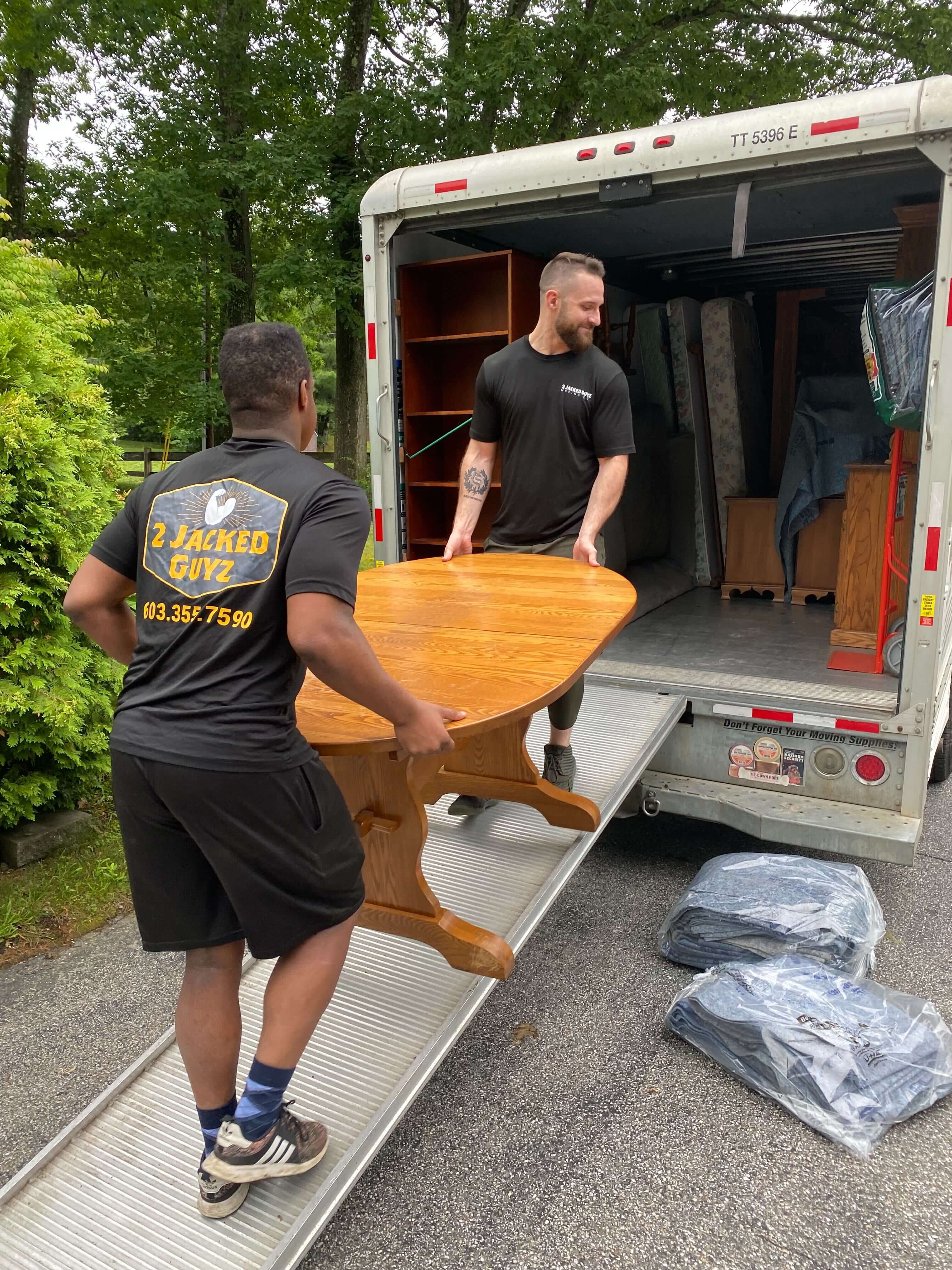
Stands, canopies, and glass lids can typically travel with your regular furniture, wrapped the same way you would protect any glass tabletop or mirror. If your stand or canopy is a heavier, bulkier piece, the same care used to move large furniture without scratching floors or walls applies when carrying it out the door.
Rebuild the tank as close to its original layout as possible and refill it with the saved original water first, topping off with fresh dechlorinated water only as needed. This preserves the chemistry your fish are used to and gives the bacterial colony the best chance of surviving the transition intact.
Place the tank on a level, sturdy surface before adding anything, since an uneven stand can crack a full tank over time. Reinstall the substrate, decorations, and plants, then add your saved water followed by fresh water to reach the normal fill line. Get the filter and heater running and stabilized before reintroducing the fish. Once the temperature matches what the fish were kept at during transport, float their sealed bags in the tank for about fifteen to twenty minutes to acclimate them gradually before releasing them.
Test your water parameters over the following week. Some ammonia or nitrite spike is normal after a move even when you have done everything right, since the bacterial colony has been disturbed. Small, more frequent partial water changes for the first week or two will help the tank restabilize faster than waiting it out.
A small tank under 20 gallons is usually manageable for one or two people to handle carefully on their own. Larger tanks, reef systems, or setups with a lot of expensive livestock benefit from extra hands, especially if the tank has to travel any real distance or navigate stairs and tight doorways.
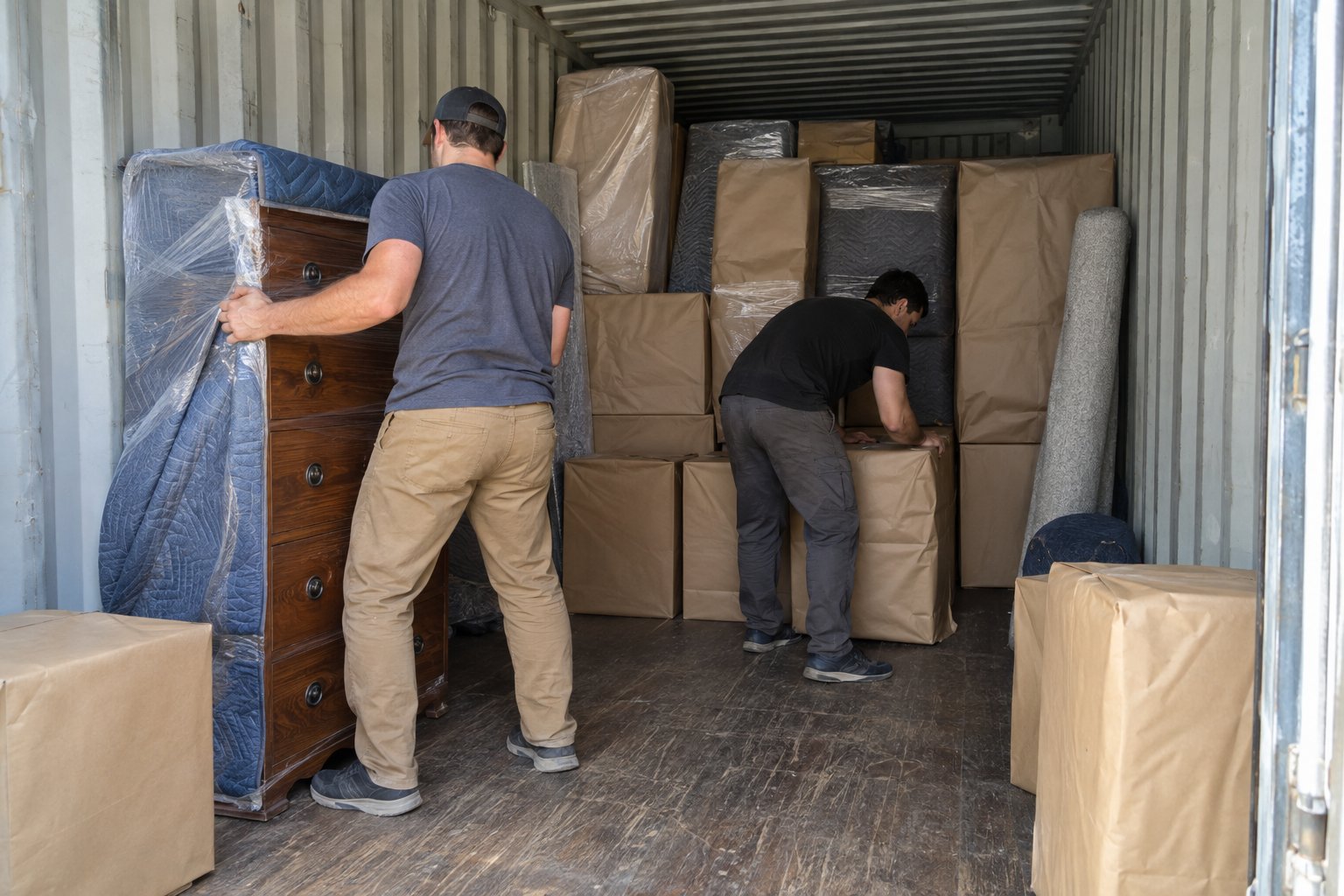
If your move involves a large aquarium alongside a full household relocation, it often makes sense to have the tank handled as its own dedicated task rather than squeezed in between loading furniture. A residential moving crew that knows the tank is coming can plan the truck layout and timing around it, loading it last and unloading it first to minimize how long your fish spend in transport containers.
If you are already planning a larger move and want the rest of the house handled by an experienced crew while you focus on your fish, get a moving quote from 2 Jacked Guyz and we will build a plan around your timeline.
Request a personalized quote and see how careful planning and reliable service make every move smoother. Our team prepares each step to handle challenges safely and efficiently.
Most healthy fish can safely stay in a properly sealed, insulated bag or bucket for several hours, and many species tolerate a full day of travel if the water stays at a stable temperature and oxygen levels hold up. Longer than that, ammonia buildup from waste becomes a bigger risk, so plan to get fish into their new tank as soon as reasonably possible.
Not usually, as long as you save your original filter media and a good portion of your old tank water and keep them from drying out or overheating during the move. Preserving that bacterial colony means the tank can pick back up close to where it left off instead of starting a fresh nitrogen cycle.
Yes, but temperature swings are one of the bigger risks to the fish during transport. Keep bagged or bucketed fish in a cooler or insulated container in extreme weather, and avoid leaving them in a car during a stop, since interior temperatures can shift quickly in either direction.
Breathable fish bags from a pet store work well for most trips because they hold water and air in the right proportions. For very short moves, a clean, food-safe bucket with a secure lid is also fine, as long as there is enough airspace and the fish are not overcrowded.
It is better to stop feeding about 24 hours before the move. Fish produce less waste on an empty stomach, which keeps ammonia from building up as quickly in the smaller volume of transport water.
No long forms, no delays. Just a move that’s ready when you are. Secure your moving date today.