
Learn how to move antiques and heirlooms safely, from appraisals to climate control, without losing sentimental or resale value along the way.
Learning how to move antiques the right way means protecting more than just an object's physical condition. Antiques and family heirlooms often carry sentimental weight and resale value that ordinary furniture does not, so a single crack, warp, or lost piece of provenance paperwork can mean a real financial and emotional loss. The good news is that a few deliberate steps, taken before moving day even arrives, dramatically lower that risk.
Unlike a bookshelf from a big box store, antiques were often built with materials and joinery techniques that do not respond well to modern moving methods. Shrink wrap can trap moisture against old wood finishes. Standard moving blankets can snag delicate veneer. Treating a 100 year old dresser the same way you would treat a flat pack nightstand is one of the fastest ways to devalue it permanently.
Yes, if a piece has meaningful resale or insurance value, get a written appraisal before it goes anywhere near a moving truck. This gives you a documented baseline condition and value, which matters enormously if a claim ever needs to be filed.
A professional appraiser can also flag pieces that need special handling you might not think to ask for, such as a marble tabletop that should travel separately from its base, or a clock with a movement that needs to be locked before transport. Take dated photos from multiple angles as a supplement to the appraisal, not a replacement for it. Photos alone rarely satisfy an insurance adjuster, but paired with a written appraisal they create a strong record of pre-move condition.
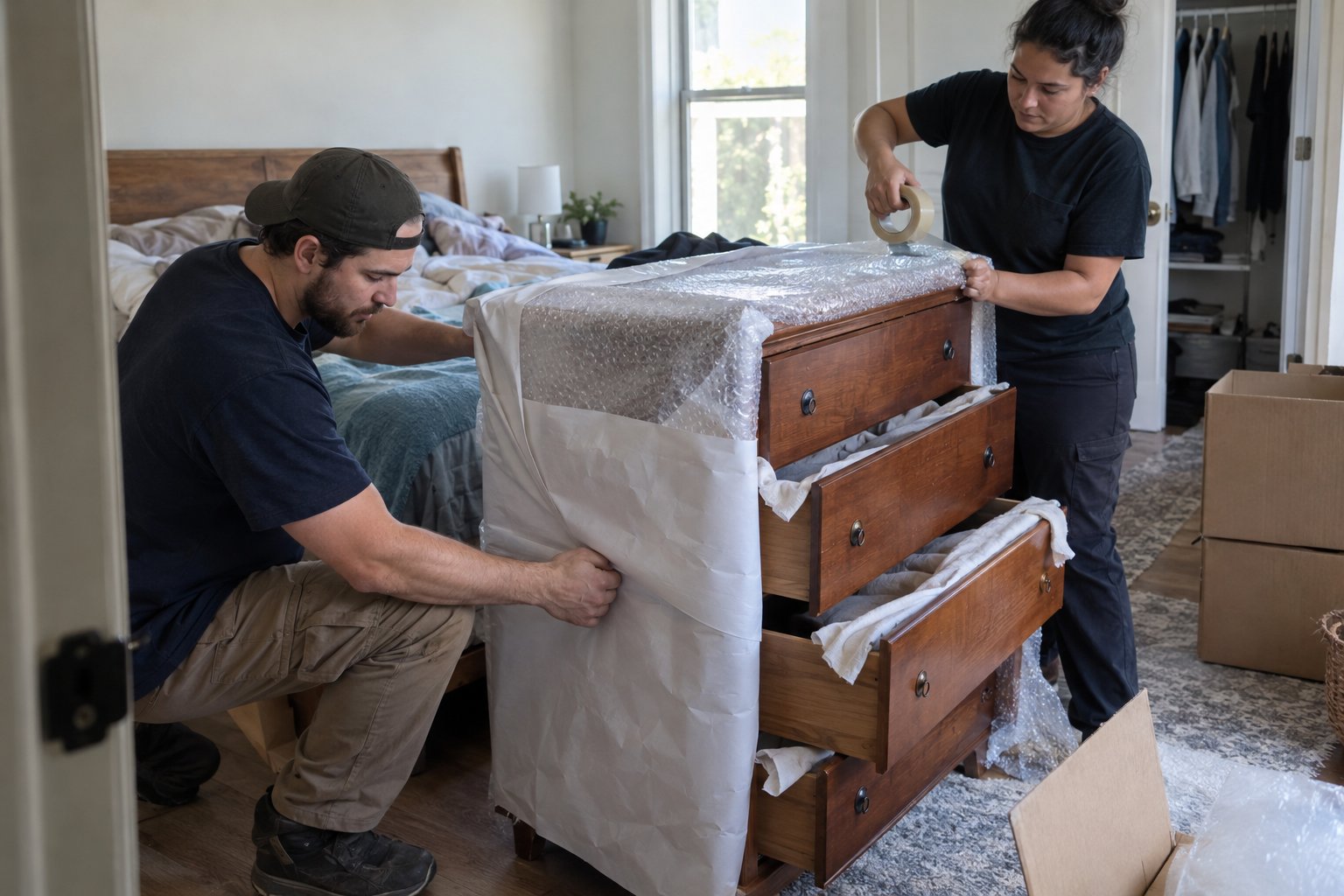
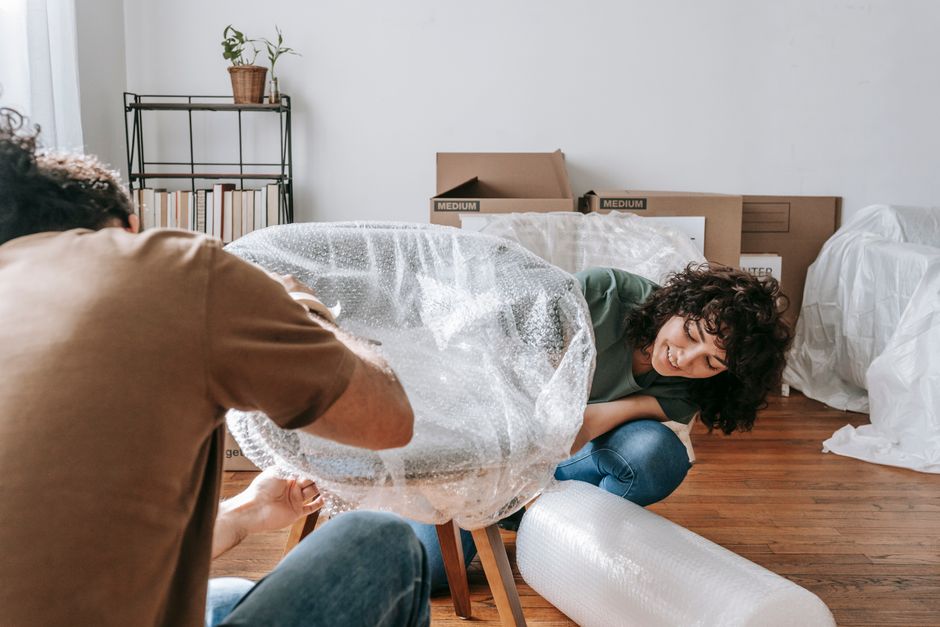
Antique wood, upholstery, and metal finishes react badly to the plastic-heavy materials used for everyday moving jobs. The safest approach uses breathable materials next to the surface and firmer padding on the outside.
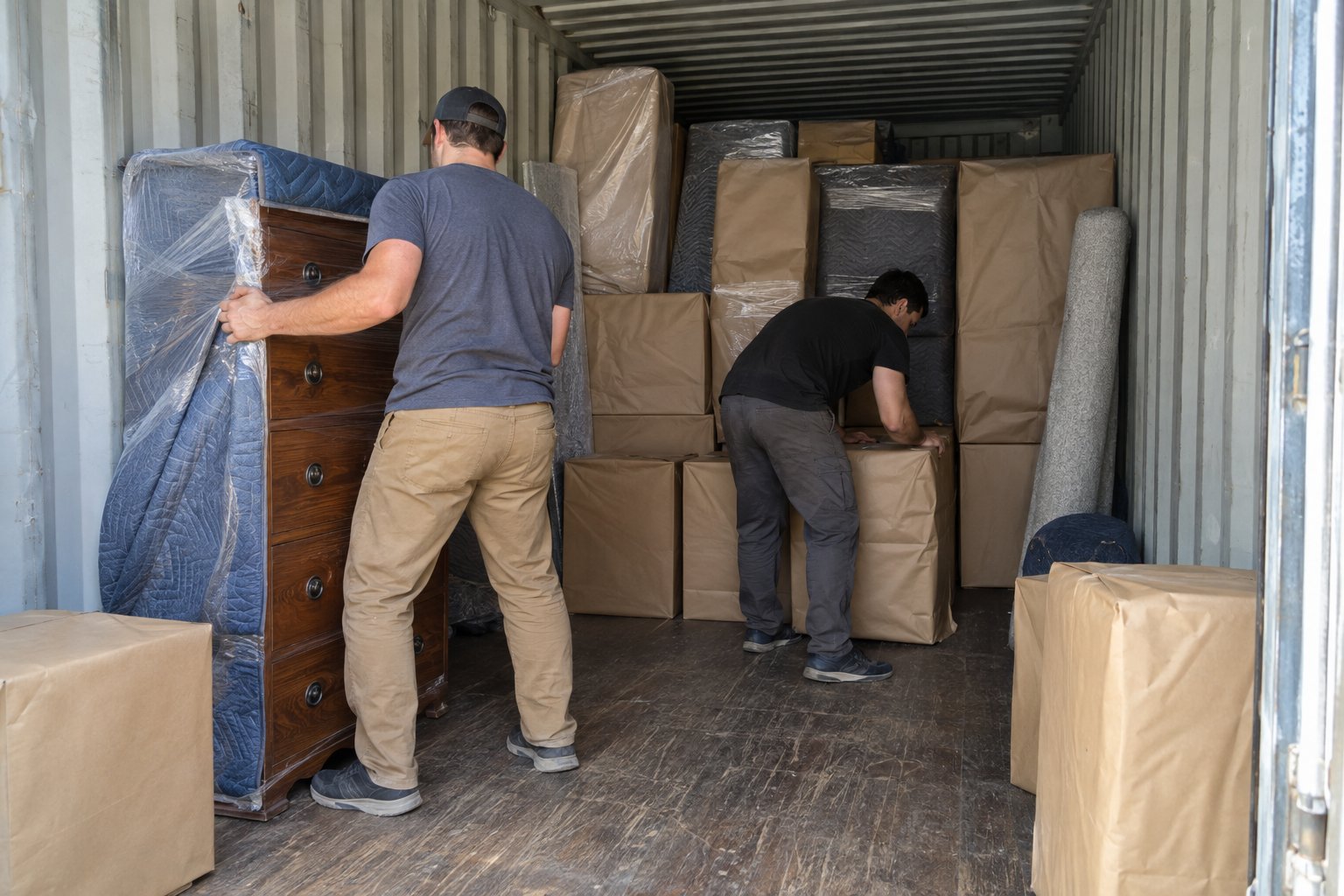
Start with acid-free packing paper or clean, unprinted moving blankets directly against wood and metal surfaces. Avoid letting plastic stretch wrap touch a finished surface directly, since trapped humidity can cloud lacquer or encourage mold on upholstery over a long haul. If stretch wrap is necessary to hold blankets in place, wrap it over the padding, never against bare wood or fabric. For carved details, corners, and feet, use extra padding and secure it with tape applied only to the padding itself, never to the antique.
Yes, temperature and humidity swings are one of the most underestimated threats to antiques during a move. Wood expands and contracts with moisture changes, veneer can lift, and certain finishes can become sticky or brittle depending on the climate inside the transport vehicle.
If your move involves a long distance haul or extended storage, ask whether the transport vehicle or storage unit offers climate control, especially in extreme summer or winter conditions. A piece sitting in a hot truck for several days is at far greater risk than one moved locally in mild weather. For antiques that are particularly sensitive, such as inlaid wood, oil paintings, or musical instruments, climate controlled transport is worth the added cost even on a modest budget move.
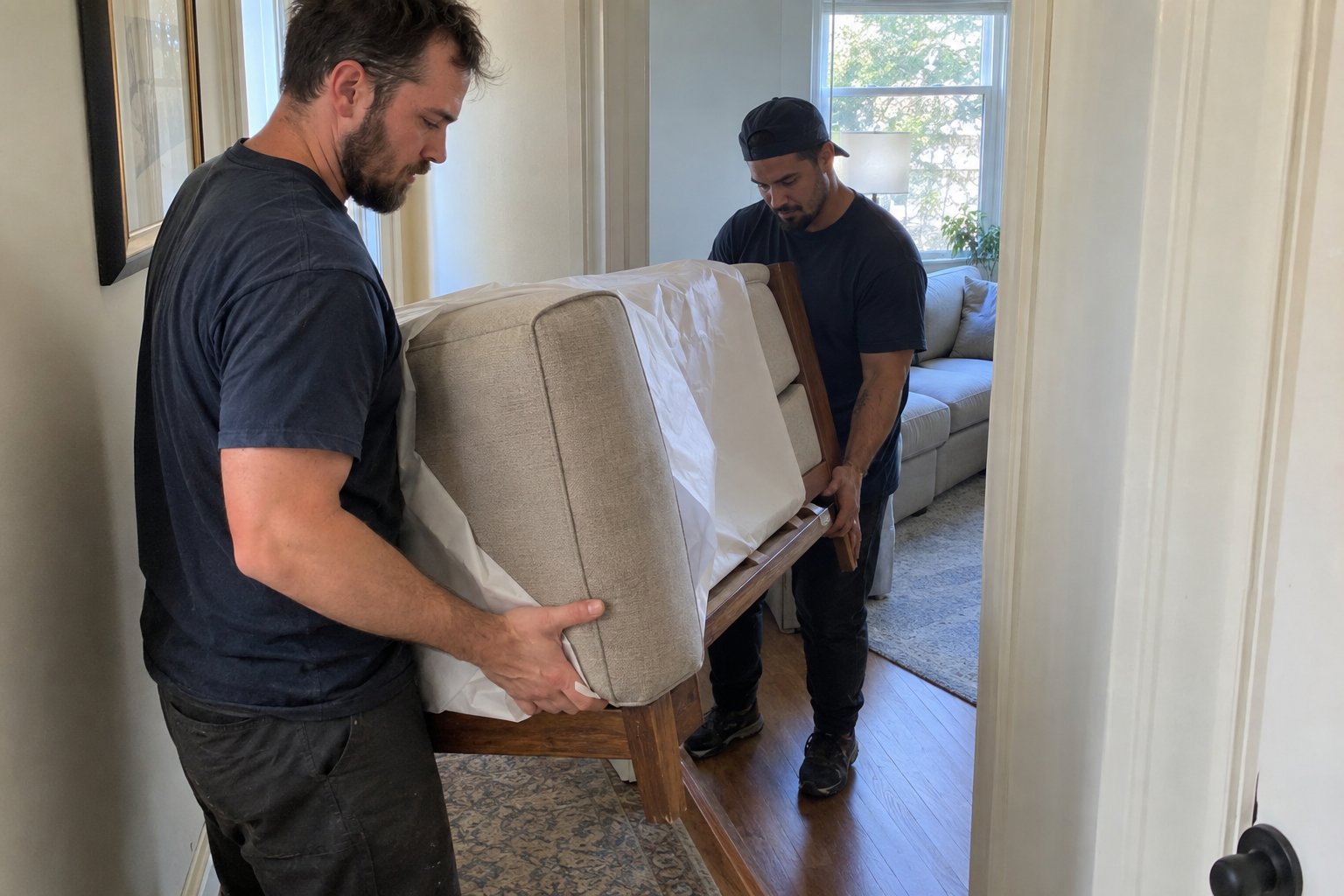
Antiques should be loaded last and positioned where they are least likely to shift, get crushed, or be stacked against. That generally means upright against a padded wall, secured with straps rather than rope, and never underneath heavier furniture.
Rope can cut into wood and fabric over a long drive as the load shifts, while flat moving straps distribute pressure more evenly. Leave a small buffer of soft materials, like folded blankets or empty boxes, between an antique and anything else nearby so vibration does not translate into direct contact damage. If you are working with a moving crew, walk through the truck layout with them before loading begins so everyone understands which pieces cannot be touched by anything else in transit.
Provenance paperwork, letters, and photographs that document a piece's history are often more irreplaceable than the object itself, so they deserve their own dedicated packing plan separate from the furniture. Keep these documents with you rather than in the moving truck whenever possible.
Store paperwork in acid-free folders inside a rigid, clearly labeled box, and photograph each document before the move as a backup. If a piece is being appraised or insured, staple a copy of that documentation to the outside reference for your own records, and keep the originals in a fireproof bag you carry personally rather than one that travels with the rest of your belongings.
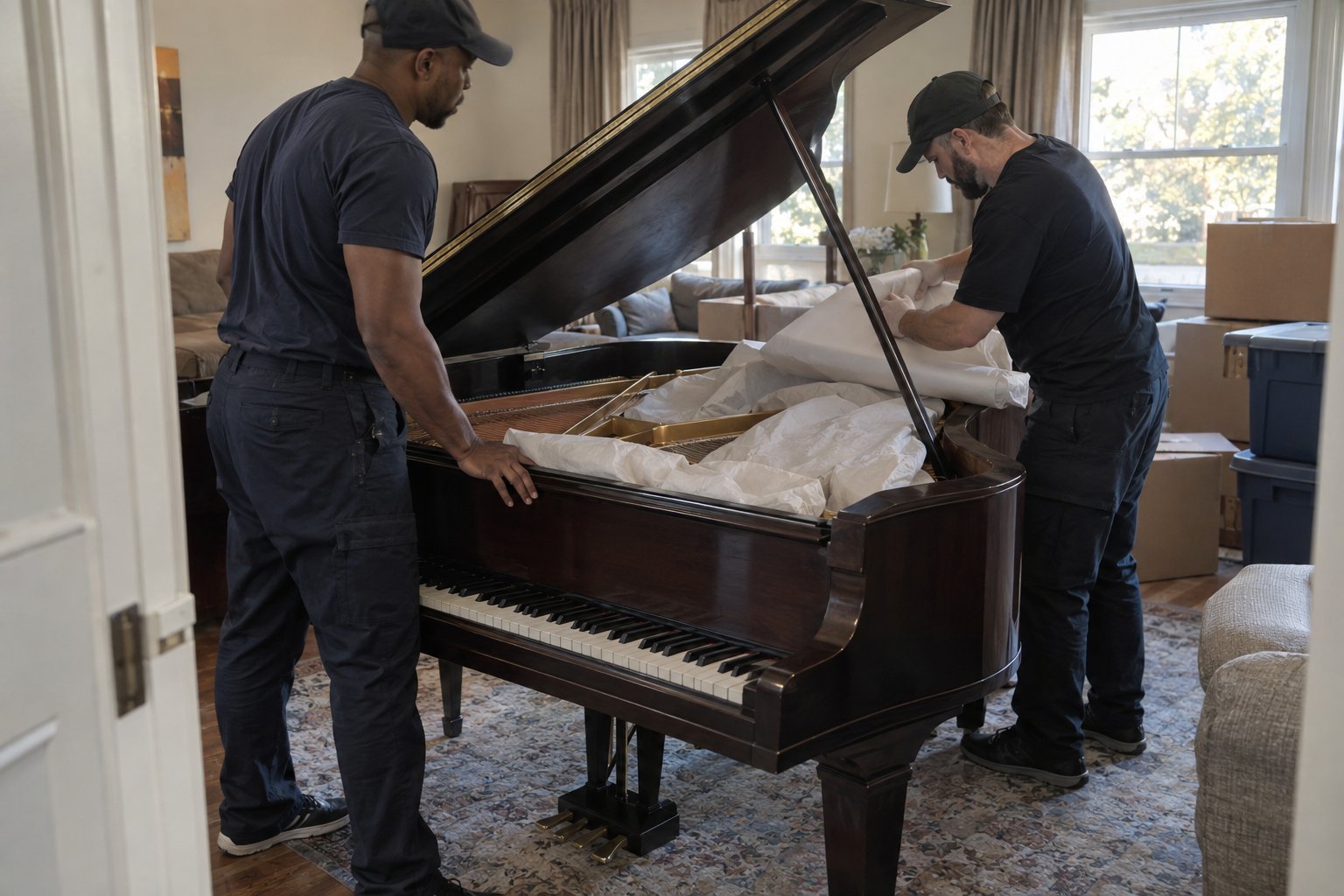
Not every moving crew has experience with antiques, and it is fair to ask directly before you book. A crew that regularly handles specialty items like pianos is generally more comfortable with the slow, methodical pace antiques require than a crew focused purely on speed.
Ask about their padding materials, whether they crate fragile tops separately, and how they secure loads for a longer haul. If your move is crossing state lines, confirm how their long distance moving process accounts for extended time in transit, since that changes how much climate exposure a piece will face. For moves involving a full household of antiques and standard furniture together, a coordinated residential moving plan that treats the antiques as a distinct category, rather than mixing them in with everything else, tends to produce far fewer surprises on delivery day.
If your move also involves other fragile categories, like framed art or glass, it helps to review packing guidance for those pieces separately rather than assuming the same wrapping approach works for everything. Our guide on packing framed art and mirrors covers techniques that overlap closely with antique frames and gilded pieces.
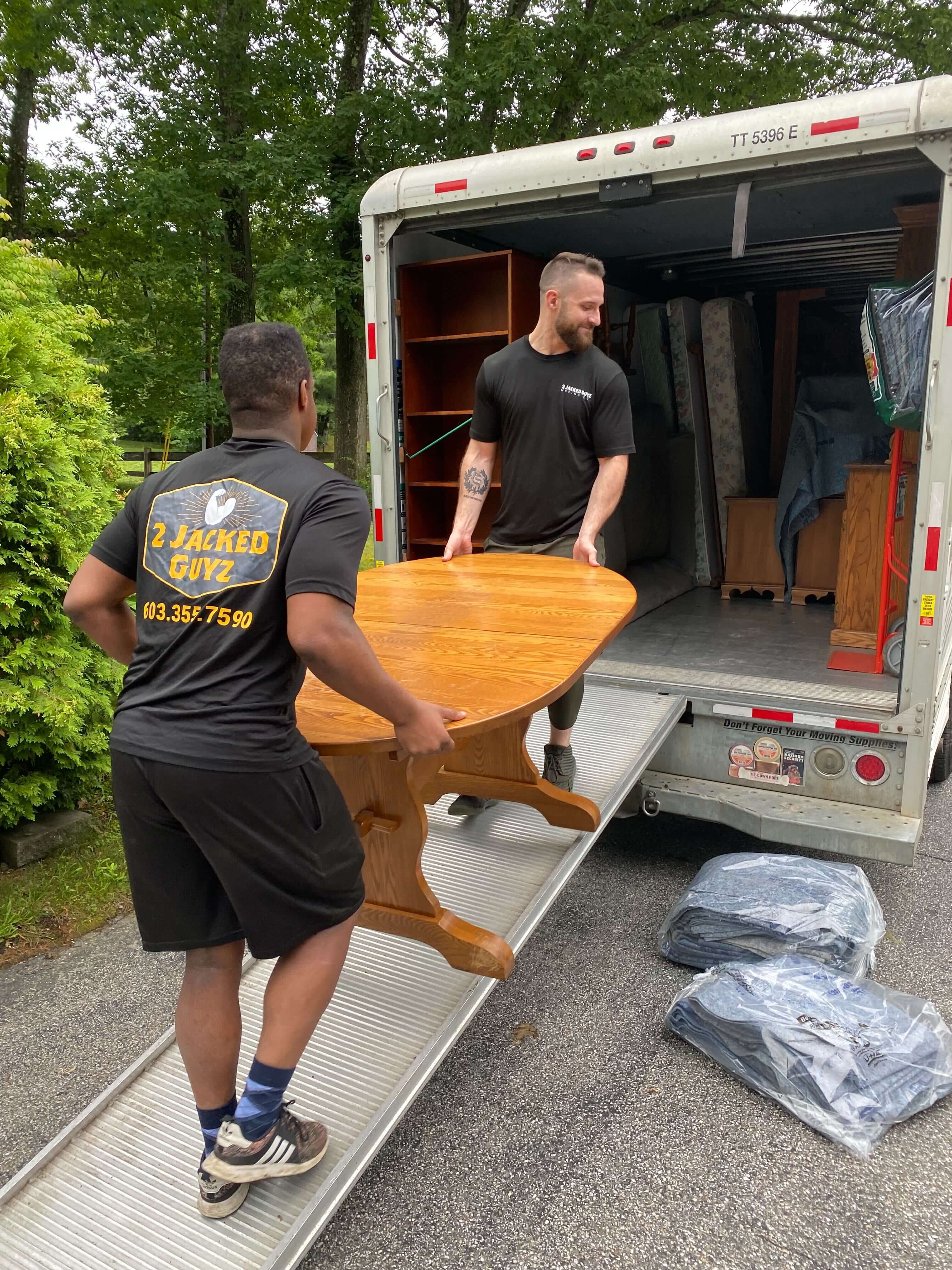
Once you have appraisals in hand, the right materials on order, and a crew that understands what "handle with care" actually means for a century old dresser, the rest of the move becomes far less stressful. Get a moving quote from 2 Jacked Guyz and mention which pieces need special handling so the crew can prepare in advance.
Request a personalized quote and see how careful planning and reliable service make every move smoother. Our team prepares each step to handle challenges safely and efficiently.
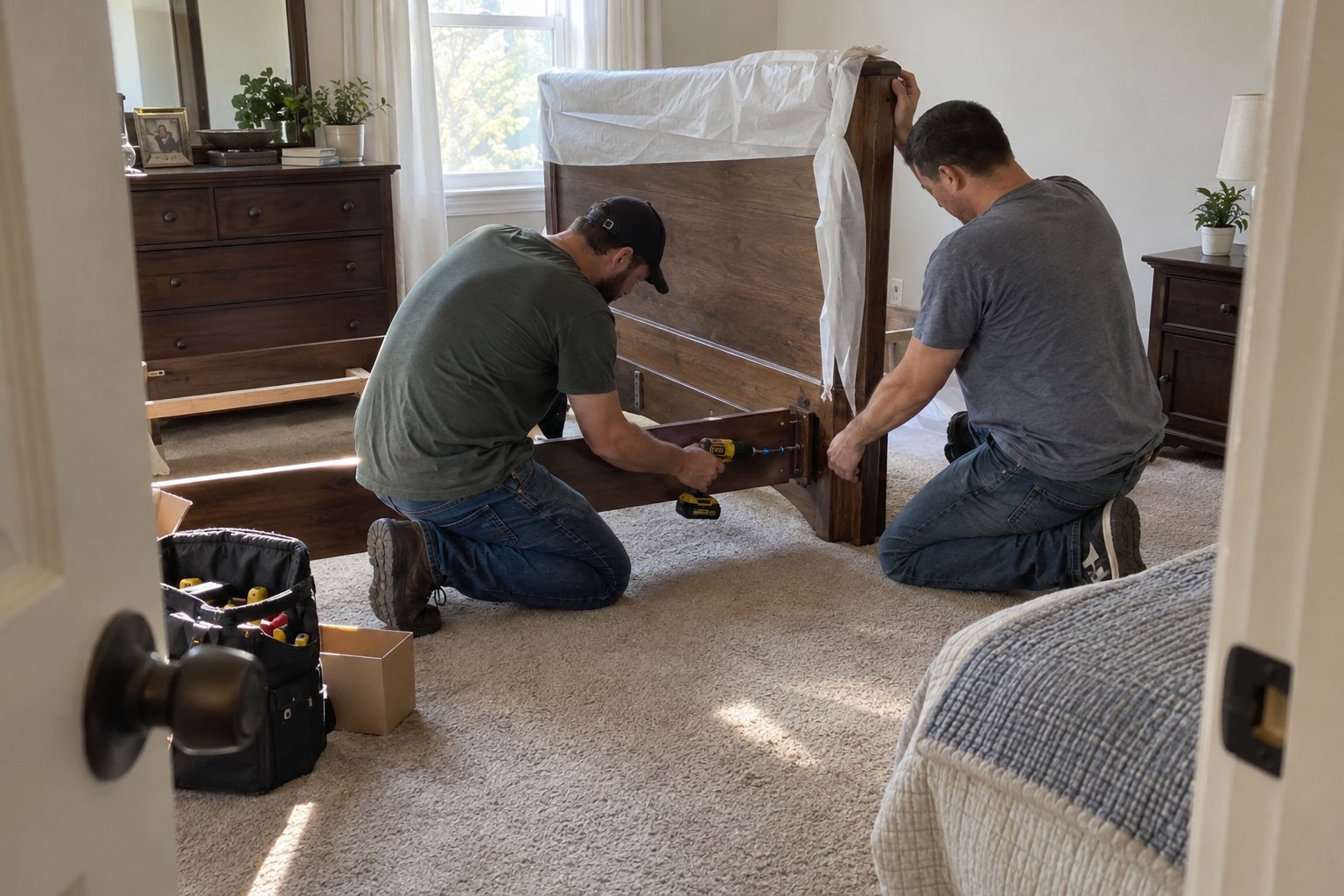
Only if the piece was designed to come apart, such as a bed frame or a table with a removable top. Forcing apart joinery that was never meant to be disassembled can crack old glue joints or dowels, so when in doubt leave the piece intact and pad it generously instead.
Plastic wrap should never touch bare antique wood directly, since it can trap moisture and cloud or soften old finishes. Use breathable padding like cotton sheeting or moving blankets against the wood, and only apply plastic wrap over that padding to hold it in place.
Standard mover's liability coverage often caps reimbursement well below an antique's real value, so it is worth asking your mover about valuation coverage or checking whether a separate fine art and antiques policy makes sense for high value pieces.
Aim for a few weeks before your move date so you have time to act on any recommendations the appraiser makes, such as stabilizing a loose joint or arranging separate crating for a marble top.
They can, but only if the container or unit offers climate control, particularly for extended storage or extreme seasons. Non climate controlled storage exposes wood, upholstery, and finishes to humidity and temperature swings that cause slow, cumulative damage.
No long forms, no delays. Just a move that’s ready when you are. Secure your moving date today.