


Learn how to move a pool table without cracking the slate or warping the frame. A step-by-step breakdown of disassembly, transport, and reassembly.
Learning how to move a pool table starts with accepting one fact: this is not a two-person job you finish in an afternoon. A standard slate pool table can weigh anywhere from 400 to 1,000 pounds once you account for the frame, rails, and the slate itself, and that weight is distributed across pieces that are either extremely heavy or extremely fragile. Get the sequence wrong and you can crack the slate, snap a rail, or throw the table permanently out of level. Get it right and the table plays exactly the same in the new spot as it did in the old one.
Unlike a couch or a bookshelf, a pool table is not designed to be picked up and carried. It is built to be assembled once and left alone. Moving one safely means partially unbuilding it first, which is where most DIY attempts go wrong.
No, not safely. Slate pool tables must be disassembled into the frame, rails, pockets, and individual slate pieces before transport. Attempting to move a fully assembled table, even a short distance across a room, risks cracking the slate or twisting the frame out of square.
Slate is stone. It does not flex, and it is usually held in place with screws and wax filler along the seams. Tilting or dragging an assembled table puts uneven pressure across a surface that was leveled to a fraction of an inch, and once slate cracks it cannot be repaired invisibly. Some lower-end tables use a single composite "slate-like" panel instead of three-piece slate, and those can occasionally be moved in one section, but they are the exception, not the rule. If you are not sure which type you own, treat it as three-piece slate until you have confirmed otherwise.
Disassembly happens in a specific order: remove the pockets and rails first, then lift the felt-covered slate pieces off the frame, and finally break down the frame and legs. Skipping steps or working out of order is how rails get cross-threaded and felt gets torn.
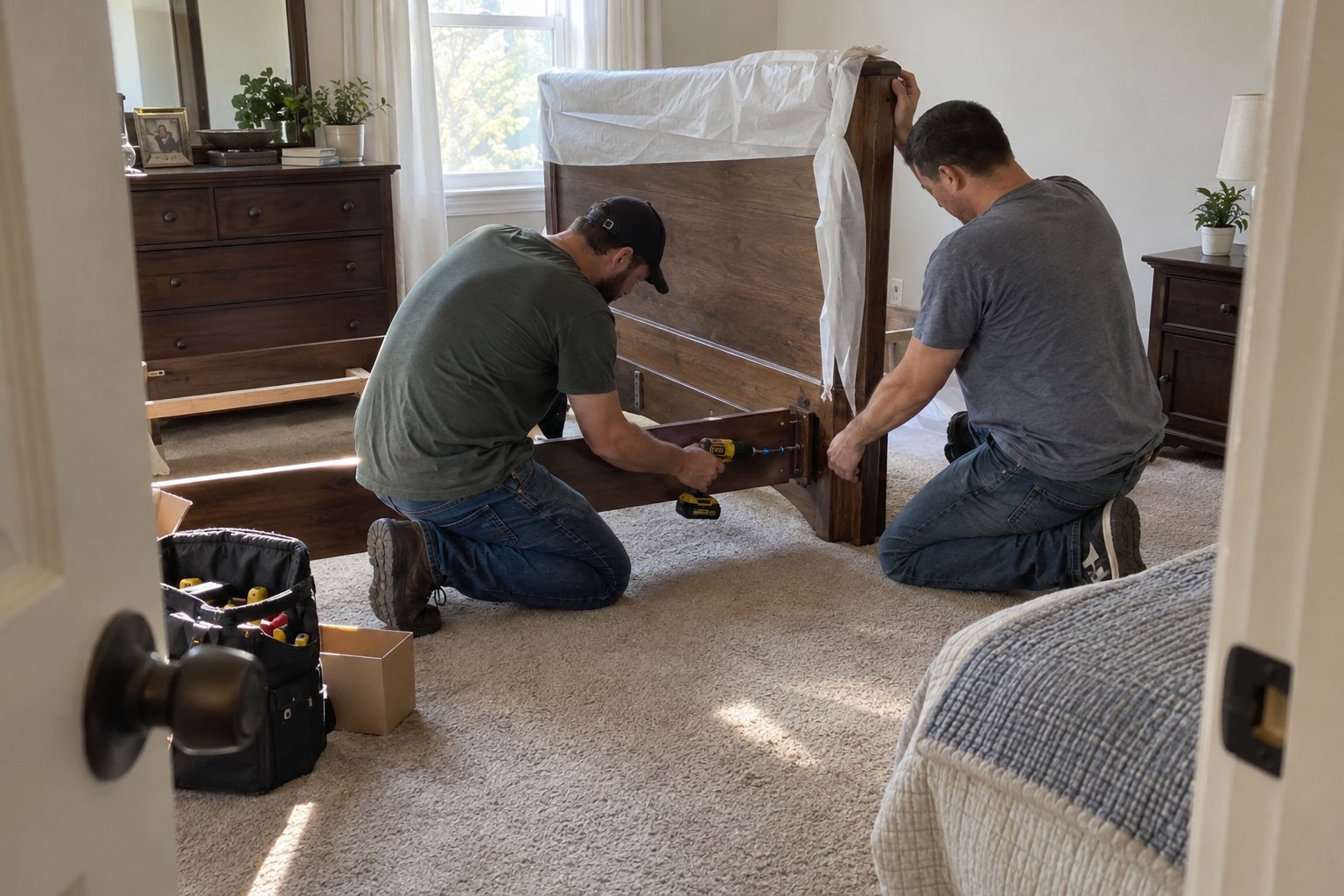
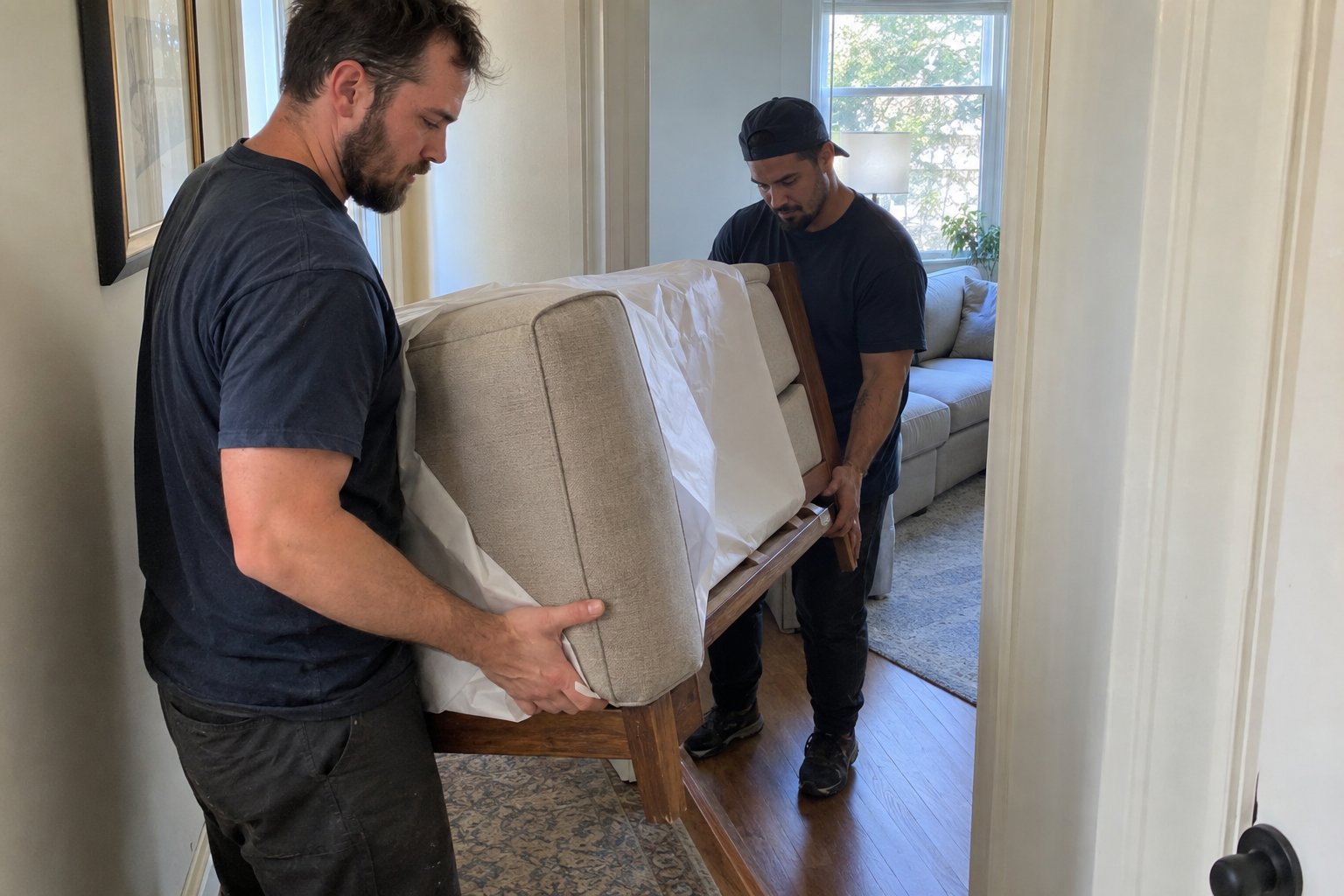
Start by taking photos of the table from every angle before touching a bolt. This matters more than people expect, because rail bolts and pocket hardware are not always symmetrical, and reassembly is much faster with a visual reference. Remove the pockets first, since they are usually held on by staples or bolts underneath the rail. Next, unbolt the rails, which typically thread down through the rail into the frame from underneath. Once the rails are off, the slate is exposed and can be unscrewed from the frame in individual sections, usually two or three depending on the table size. Each slate piece should be carried flat, never on edge, and ideally with two people per piece minimum given the weight of a single slab.
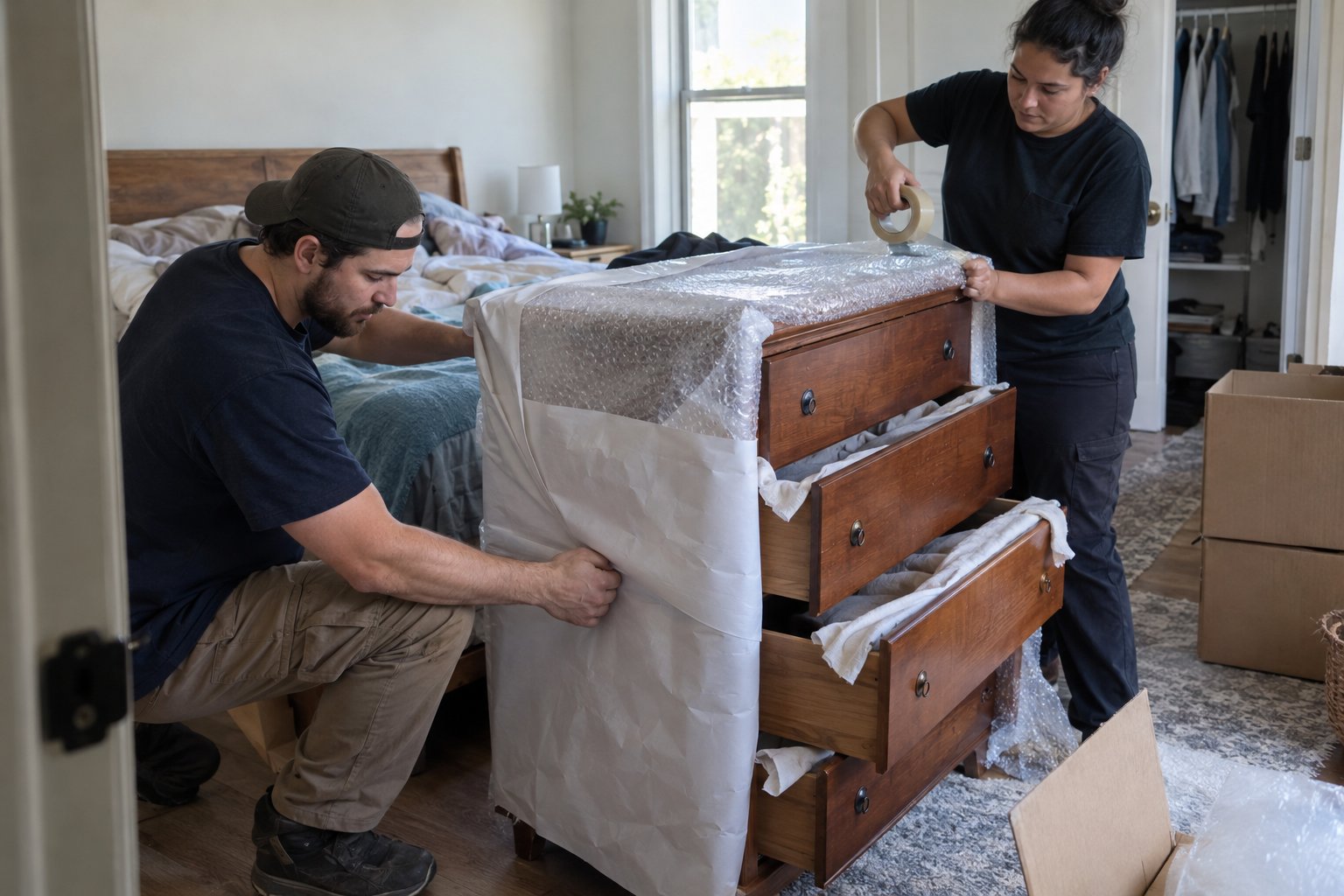
The felt should stay on the slate during a move rather than being removed and reinstalled, since re-stretching felt correctly requires specialized tools. Cover each slate piece with moving blankets or heavy plastic sheeting immediately after removal, and keep felt away from anything that could snag it, including staples left in the rails.
Each slate section needs to be wrapped, kept flat, and never stacked directly on top of another without rigid padding between layers. Slate cracks under uneven pressure far more easily than it cracks under straight vertical weight, so the goal during transport is to eliminate any twisting or flex.
Wrap each piece individually in moving blankets, then stand or lay them according to their size, ideally against the wall of the truck in an upright position secured with straps, since flat stacking multiple slate pieces increases the risk of one shifting into another. If you do lay pieces flat, place a sheet of plywood or a moving blanket between each layer and never place other boxes or furniture on top. Label each slate section (1, 2, 3) and its corresponding frame position with painter's tape, since slate pieces are hand-fitted to a specific table during manufacturing and are not always interchangeable within the same set.
For most homeowners, yes. The combination of extreme weight, fragile stone, and precision reassembly is exactly the kind of job where the cost of professional help is smaller than the cost of a mistake. A cracked slate section often means replacing the entire set rather than one piece, since matching slate thickness and fit after the fact is difficult.
Professional movers bring slate straps, appliance dollies rated for the weight, and experience releveling the frame afterward, which is a step DIYers frequently skip or get wrong. A table that is reassembled slightly out of level will visibly roll balls toward one pocket, and fixing that after the fact means partially disassembling it again. If you are already budgeting for a residential move and the pool table is one of several heavy or awkward items in the house, it usually makes sense to have the same crew handle everything rather than hiring a separate specialist for one item.
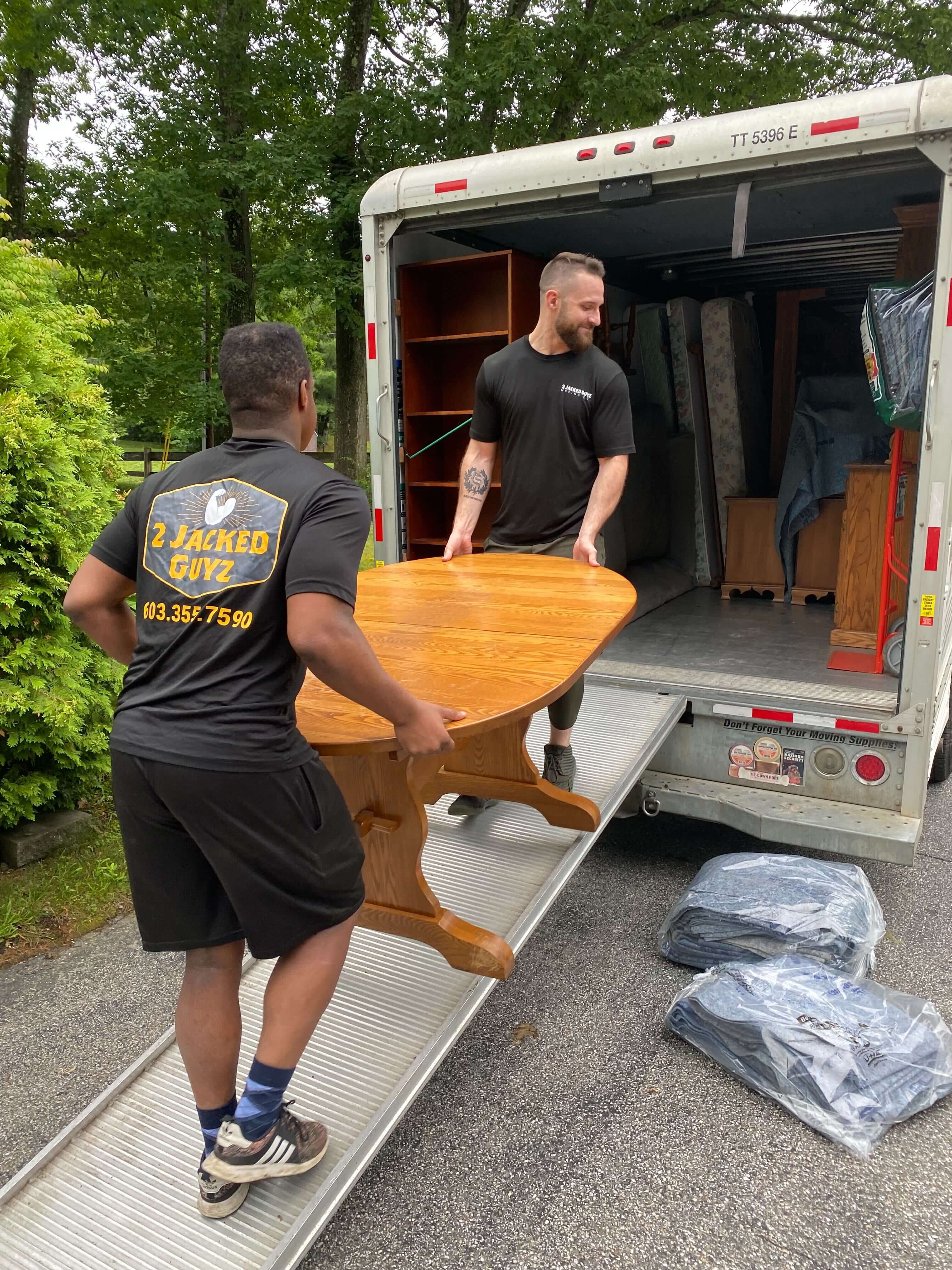
A DIY move can work for smaller, lighter tables (some entry-level models use a single composite panel instead of three-piece slate) if you have at least four capable people, furniture dollies, and a truck with a ramp. Even then, plan on the disassembly and reassembly taking several hours longer than you expect the first time.
Reassembly is disassembly in reverse: frame first, then slate sections screwed back down in their original positions, then rails, then pockets. The step people skip is releveling, and it is the step that determines whether the table actually plays straight.
Use a carpenter's level across multiple points on the slate before locking the rails back down, shimming the frame legs as needed. Seams between slate sections should be filled with wax or a slate seam filler so the felt lies flat across the joints, then the felt can be reattached or re-tensioned if it was removed. This is fussy work, and it is the main reason movers who specialize in heavy or awkward items exist. If your table came with the original manufacturer's assembly instructions, keep them with your moving paperwork rather than relying on memory or photos alone.
Whether you tackle it yourself or bring in help, treat a pool table the same way you would a piano or another oversized specialty item: plan the disassembly before moving day, protect every surface, and do not rush the reassembly. If the table is heading out with the rest of your household goods, get a moving quote that accounts for its weight and disassembly time so there are no surprises on the day.
Request a personalized quote and see how careful planning and reliable service make every move smoother. Our team prepares each step to handle challenges safely and efficiently.
Cost varies by table size, distance, and whether disassembly and releveling are included, but pool table moves are usually priced separately from general household items because of the specialized labor involved. Get a quote that specifically covers disassembly, transport, and reassembly rather than assuming it is included in a standard hourly rate.
Two people can handle a smaller composite-top table in some cases, but a standard three-piece slate table requires at least four people to safely lift and carry the slate sections, which can each weigh 200 pounds or more on their own.
No, the felt should stay attached to the slate during the move. Removing and re-stretching felt requires specialized tools and is typically only done if the felt is being replaced anyway, not as a routine part of moving.
It should, as long as the slate seams are refilled and the table is releveled during reassembly. A table that plays unevenly after a move almost always has a leveling issue rather than damaged slate.
For an experienced crew, disassembly typically takes about an hour and reassembly with releveling takes one to two hours, though a first-time DIY attempt often takes significantly longer.
No long forms, no delays. Just a move that’s ready when you are. Secure your moving date today.