


Moving with a baby? Learn how to safely pack and move a nursery — cribs, changing tables, baby gear, and delicate essentials — with tips from 2 Jacked Guyz.
Figuring out how to pack and move a nursery is one of those moving challenges that brings an extra layer of pressure most other rooms simply do not carry. It is not just furniture and supplies you are transporting — it is your child's entire world of routine, comfort, and safety. A crib that needs to be disassembled correctly and reassembled just as carefully. A changing table with drawers packed full of diapers, wipes, and creams. A glider that weighs more than it looks. A white noise machine, a mobile, a monitor, blackout curtains, and about forty-seven stuffed animals. Add in the emotional weight of wanting the nursery set up and functional as fast as possible on the other side so your baby's routine is disrupted as little as possible — and you start to understand why the nursery deserves its own dedicated moving plan.
The good news is that moving a nursery — even one that is fully stocked and meticulously organized — is completely manageable when you approach it with the right materials, the right sequence, and a clear understanding of what needs special handling. And if you would rather hand the heavy lifting to professionals who know how to handle everything from bulky gliders to delicate mobiles, the team at 2 Jacked Guyz professional movers is ready to take it from overwhelming to done.
Before you pull out a box or reach for the packing tape, walk through the nursery with honest, practical eyes. A move is the single best opportunity to evaluate every piece of baby gear you own against current safety standards — and that assessment matters more here than in any other room in the house.
Baby product safety standards are updated regularly, and gear that was purchased even two or three years ago may have been recalled or superseded by safer designs. Check your crib, bassinet, bouncer seat, sleep positioner, and any other sleep-related item against the Consumer Product Safety Commission database before you decide it is worth packing. If a product has been recalled, a move is not the time to carry it forward — it is the time to part with it responsibly.
Beyond safety recalls, take stock of what your child has genuinely outgrown. The newborn-size swaddles, the bassinet that has not been used in eight months, the bouncer seat your baby stopped tolerating four months ago — these are items that will take up truck space and unpacking time at the new home without actually serving anyone. Donate or pass them along before moving day, and arrive at your new nursery with only the gear that is actively in use.
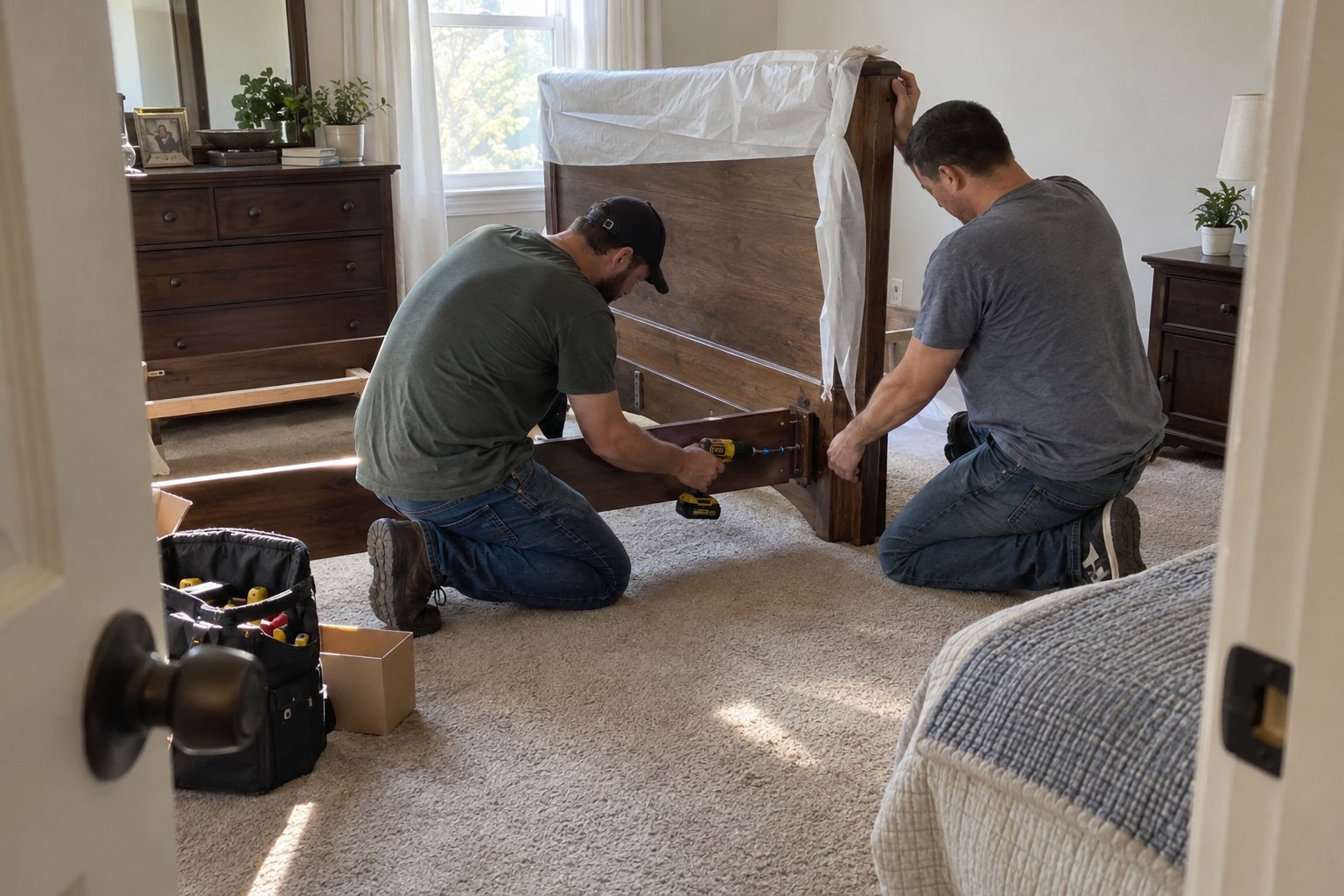
The crib is almost always the largest and most complex piece in a nursery, and it deserves careful handling from the moment you start breaking it down. Most standard cribs — whether convertible, panel-style, or slatted — disassemble into a manageable number of pieces, but the process requires patience and good record-keeping to go smoothly.
Before you remove a single piece of hardware, take photographs of every angle of the assembled crib. Pay particular attention to any adjustment mechanisms, mattress support brackets, and how the side rails connect to the end panels. These photos cost you thirty seconds and can save you an hour of confusion at reassembly. Store them in your phone's camera roll and consider texting them to yourself so they are accessible without hunting through a camera roll full of moving-day chaos.
As you remove bolts, screws, and any small connectors, place them immediately into a zip-lock bag. Label that bag with a permanent marker — "Crib hardware – all pieces" — and tape it directly to one of the crib's end panels before wrapping. Do not leave hardware in a pile on the floor, do not drop it into a general box, and do not assume you will remember which bag goes with which piece of furniture. Hardware bags that go missing on moving day cause real problems the following night when a baby needs somewhere safe to sleep.
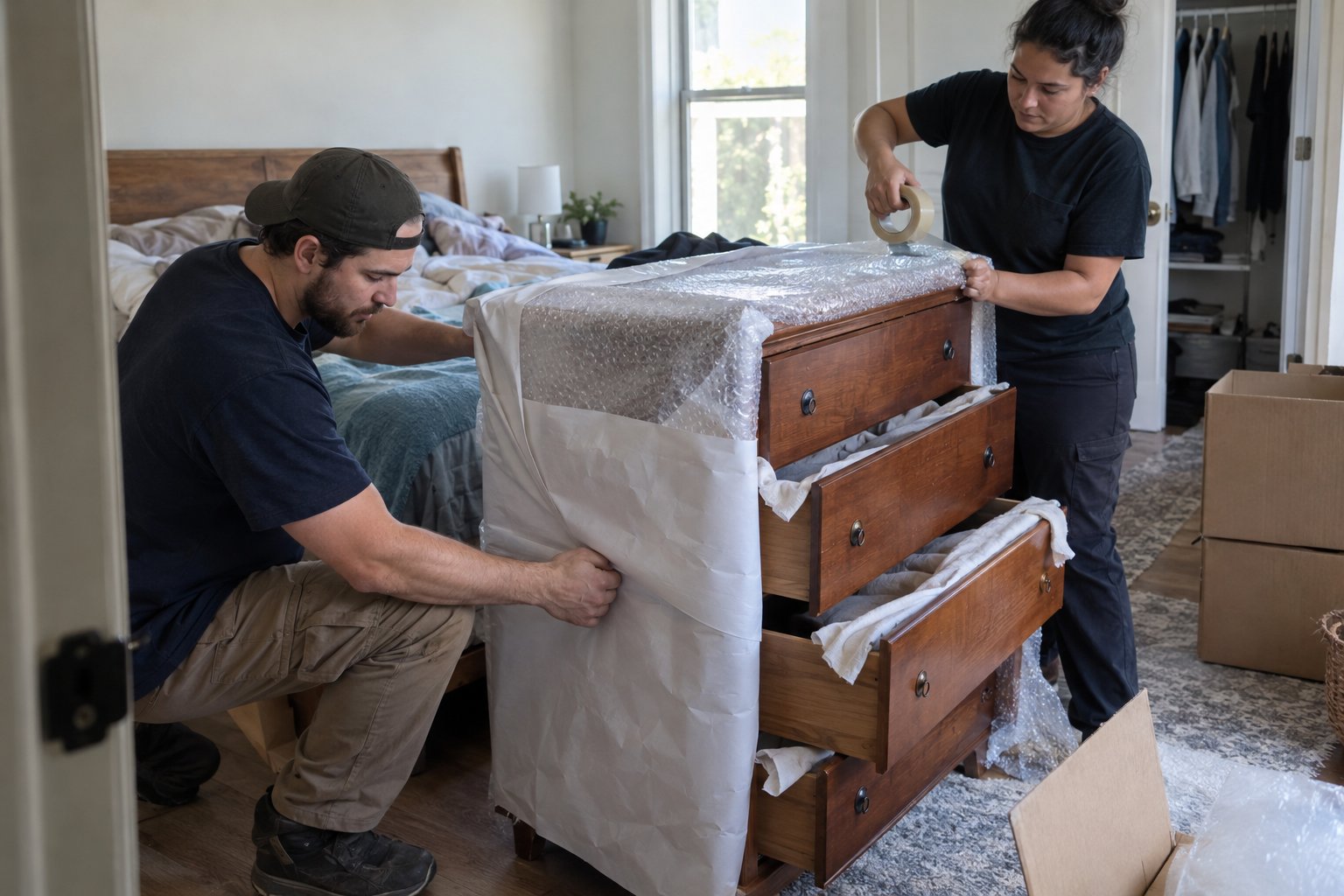
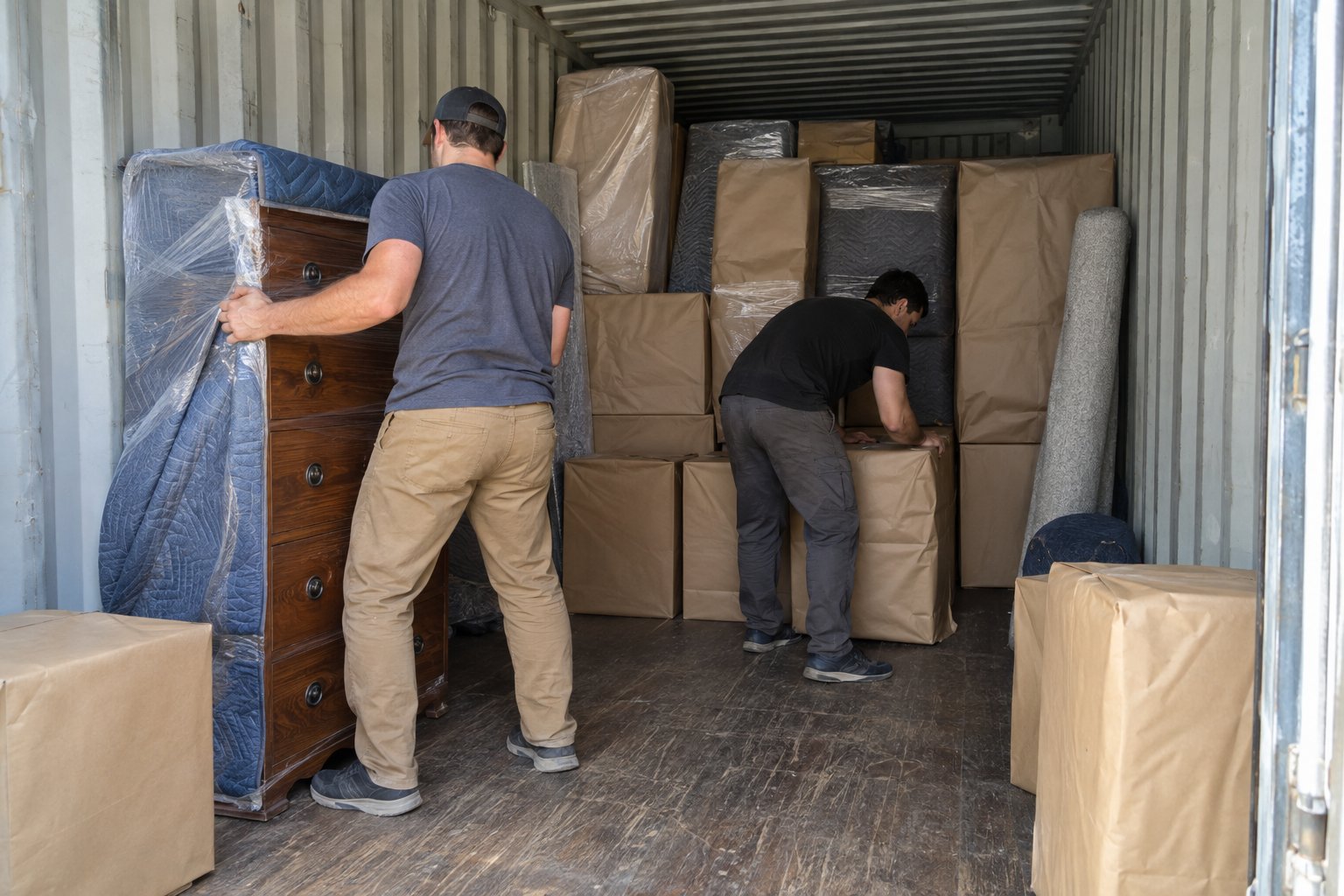
Wrap each panel and rail individually in moving blankets or furniture pads. Pay extra attention to the corners and any carved or decorative details, which are vulnerable to chipping during loading and transport. Load crib pieces flat against the interior wall of the moving truck, never standing on end unsupported. Keep them away from heavy items that could shift and press against them during transit.
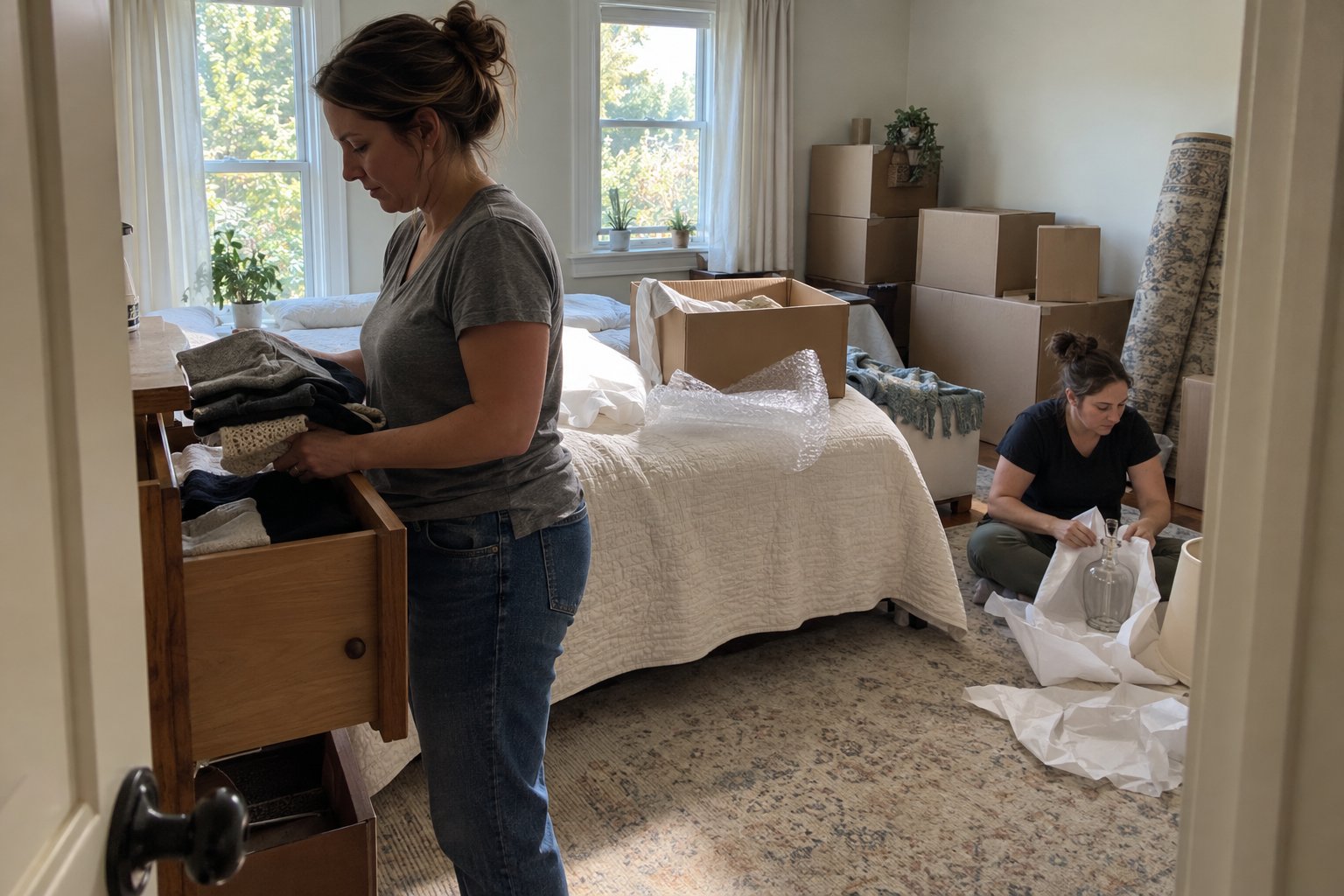
Beyond the crib and the large furniture, the nursery is filled with a dense collection of small, varied, and sometimes fragile items that need organized packing to arrive intact and be unpacked without chaos.
Baby clothing, crib sheets, swaddles, sleep sacks, and blankets are among the easiest items in the nursery to pack — and also among the most useful packing materials you have available. Roll soft items tightly and use them to fill dead space around harder items in boxes. Pack clothing in wardrobe boxes, large zip-lock bags organized by size, or clearly labeled small boxes. If your baby has a specific lovey or comfort item they sleep with every night, keep it out of the packed boxes entirely and carry it with you on moving day. The last thing you want is to be hunting through a dozen boxes at 9 p.m. for a specific stuffed rabbit.
Changing tables are typically either freestanding dresser-style units or open-shelf stands, and both require slightly different approaches. For dresser-style changers, remove the changing pad and pack it separately wrapped in plastic or bubble wrap to protect the surface. Empty every drawer completely before moving — a dresser with full drawers is far heavier than it looks and can shift dangerously during transport. Pack diapering supplies — diapers, wipes, creams, and powders — in clearly labeled boxes, and set aside enough of each for the first few days in the new home in your go-bag or an open-access bin.
Baby monitors, white noise machines, air purifiers, and humidifiers all qualify as electronics and should be packed accordingly. If you have original boxes, use them. If not, wrap each unit individually in bubble wrap, pack them snugly in small boxes with crumpled packing paper filling the gaps, and label the boxes clearly on all four sides. Cords should be coiled, secured with a twist tie or velcro strap, and either taped to the outside of the unit or packed in the same box with a label. Do not mix monitor receivers and cameras in different boxes — keep them together so setup at the new home is immediate.
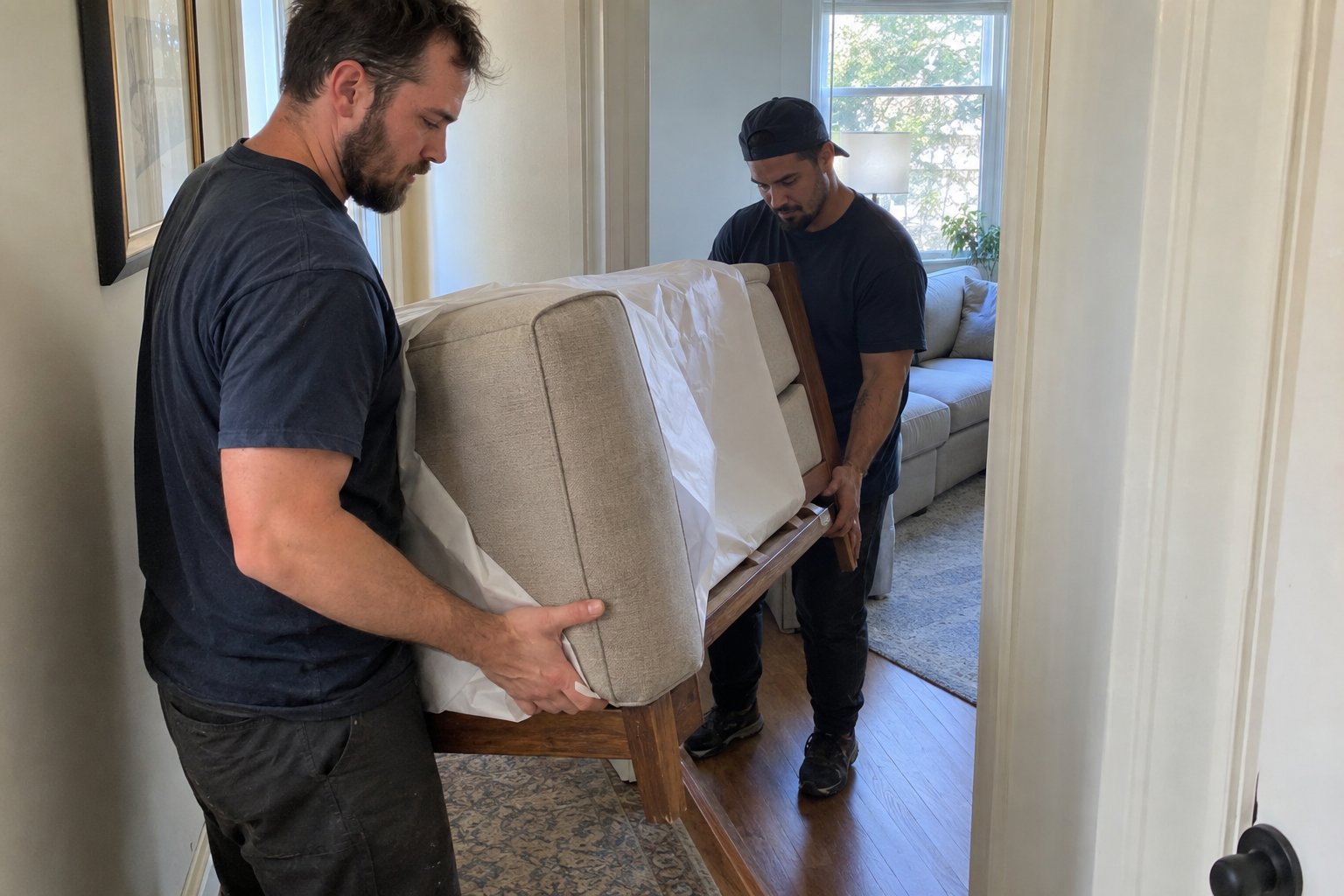
The nursery glider is deceptively heavy and often has a separate ottoman with its own gliding mechanism. Before wrapping, check whether the glider's base and seat can be separated for easier handling — many models detach. Wrap upholstered surfaces in plastic furniture wrap or clean moving blankets to protect the fabric from dirt and snags during the move. Load the glider on the truck last so it comes off first and can go directly into the nursery before the room fills with boxes.
Nurseries tend to hold some of the most personally meaningful décor in the entire house — name signs, framed artwork, hand-painted murals (which cannot move, of course, but the artwork that inspired them often can), mobile units, custom shelving, and gifts from loved ones that carry real sentimental weight. Giving these items proper packing attention is worth the extra few minutes.
Framed artwork and prints should be wrapped in glassine or packing paper first, then sandwiched between two pieces of cardboard cut to size, then placed in a picture box or a box sized appropriately. Never stack framed items face-to-face without a layer of cardboard between them. Wall-mounted mobiles should be removed carefully, with any hanging elements wrapped individually in tissue paper and packed flat. If a mobile has an arm that folds or disassembles, photograph it assembled before you take it apart.
Name signs — whether wood letters, fabric banners, or painted plaques — are often fragile at mounting holes or attachment points. Wrap each letter or component individually if the sign is multi-piece, and pack flat in a box with adequate cushioning on all sides.
One of the most practical decisions you can make on moving day is to prioritize the nursery above every other room in the new home. The living room can live in boxes for a few days. The home office can wait. The nursery — if your child is still using it actively — should be the first room to be fully set up and functional.
Communicate this priority clearly to anyone helping you move. Load the nursery items last onto the truck so they come off first and go directly into the correct room. Have a clear, simple floor plan in mind before the truck arrives so furniture placement decisions do not slow down the setup. Reassemble the crib before anything else in that room. Get the white noise machine plugged in and running. Hang the blackout curtains. Once the sleeping environment is functional, you can breathe and tackle the rest of the house at a normal pace.
If you have a toddler who is transitioning out of a crib, this move can be a natural moment to introduce a toddler bed — but make that decision deliberately and in advance, not under moving-day pressure. Setting up an unfamiliar bed in an unfamiliar room on an exhausting day is a recipe for a very difficult first night. Plan the transition thoughtfully and give yourself time to support it.
Moving a nursery is manageable — but it benefits enormously from professional help on the heavy and delicate pieces. The team at 2 Jacked Guyz professional movers has helped families move every type of nursery setup imaginable, and they bring the care and efficiency that a room this important deserves.
Request a personalized quote and see how careful planning and reliable service make every move smoother. Our team prepares each step to handle challenges safely and efficiently.
In most cases, no. The vast majority of cribs are too large and too awkward to move safely as a fully assembled unit — they will not fit through standard doorways without risk of damage to the crib, the walls, or both. Disassemble the crib fully, bag and label all hardware, wrap each panel individually, and reassemble at the new home. It takes more time upfront but protects both the crib and your walls.
The best strategy is to load nursery items last onto the moving truck so they are the first things off and into the new home. Have a simple floor plan ready in advance so furniture placement is decided before the movers arrive. Reassemble the crib and set up the sleeping environment — white noise machine, blackout curtains, monitor — before tackling any other room. A functional sleep space lets you handle the rest of the move without the pressure of a looming bedtime.
Before packing any major baby gear item, check it against the Consumer Product Safety Commission recall database. Cribs, bassinets, bouncers, sleep positioners, and high chairs are the most common categories with active recalls. A move is also a natural time to retire gear your child has genuinely outgrown — donating or passing along unused items before moving day saves packing time, truck space, and unpacking effort.
Treat baby monitors and white noise machines like any other small electronics. Wrap each unit individually in bubble wrap, pack them in a snug box with crumpled packing paper filling the gaps, and keep the camera and receiver from the same monitor system in the same box. Coil and label all cords. These are items you will want working on the first night in the new home, so label their box clearly and keep it accessible — not buried under heavier loads.
If your nursery contains a heavy glider, a solid-wood crib, a fully loaded dresser-style changing table, or any combination of bulky and delicate items, professional movers can save you real time, stress, and potential injury. Professionals have the equipment, wrapping materials, and experience to move heavy nursery furniture safely and efficiently — and getting the nursery set up quickly matters more when there is a baby depending on a consistent sleep environment.
No long forms, no delays. Just a move that’s ready when you are. Secure your moving date today.