
Learn how to pack and move a mudroom or entryway the right way — from shoes and coats to built-in benches and cubbies. Expert tips from 2 Jacked Guyz movers.
Figuring out how to pack and move a mudroom or entryway is one of those moving tasks that almost nobody plans for properly — until moving day arrives and you are staring at a wall of hooks overloaded with coats, a shoe rack spilling over onto the floor, a built-in bench stuffed with sports gear, umbrellas propped in every corner, and a cubby system that may or may not be anchored directly into the wall studs. The mudroom lives at the intersection of daily chaos and functional storage, and that combination makes it uniquely tricky to dismantle and move. It is the first room you walk into when you come home and the last one you clear out before you leave — which means it is almost always the most disorganized, the most under-packed, and the most likely to get scrambled on moving day.
The good news is that packing and moving a mudroom or entryway — even a large, heavily used one with built-in cabinetry and years of accumulated everyday essentials — is completely manageable when you approach it with the right materials, the right sequence, and a clear understanding of what each category of item actually needs. And if you would rather hand the heavy lifting to professionals who know how to handle everything from a freestanding coat rack to an anchored built-in bench unit, the team at 2 Jacked Guyz professional movers is ready to take it from overwhelming to done.
Before you reach for a single box or strip a single hook from the wall, walk through your mudroom or entryway with clear, honest eyes and take real stock of everything that lives there. This step is easy to skip — the mudroom feels smaller and simpler than the kitchen or the garage — but the accumulated volume of everyday items in an active mudroom can surprise you once you start actually pulling things out.
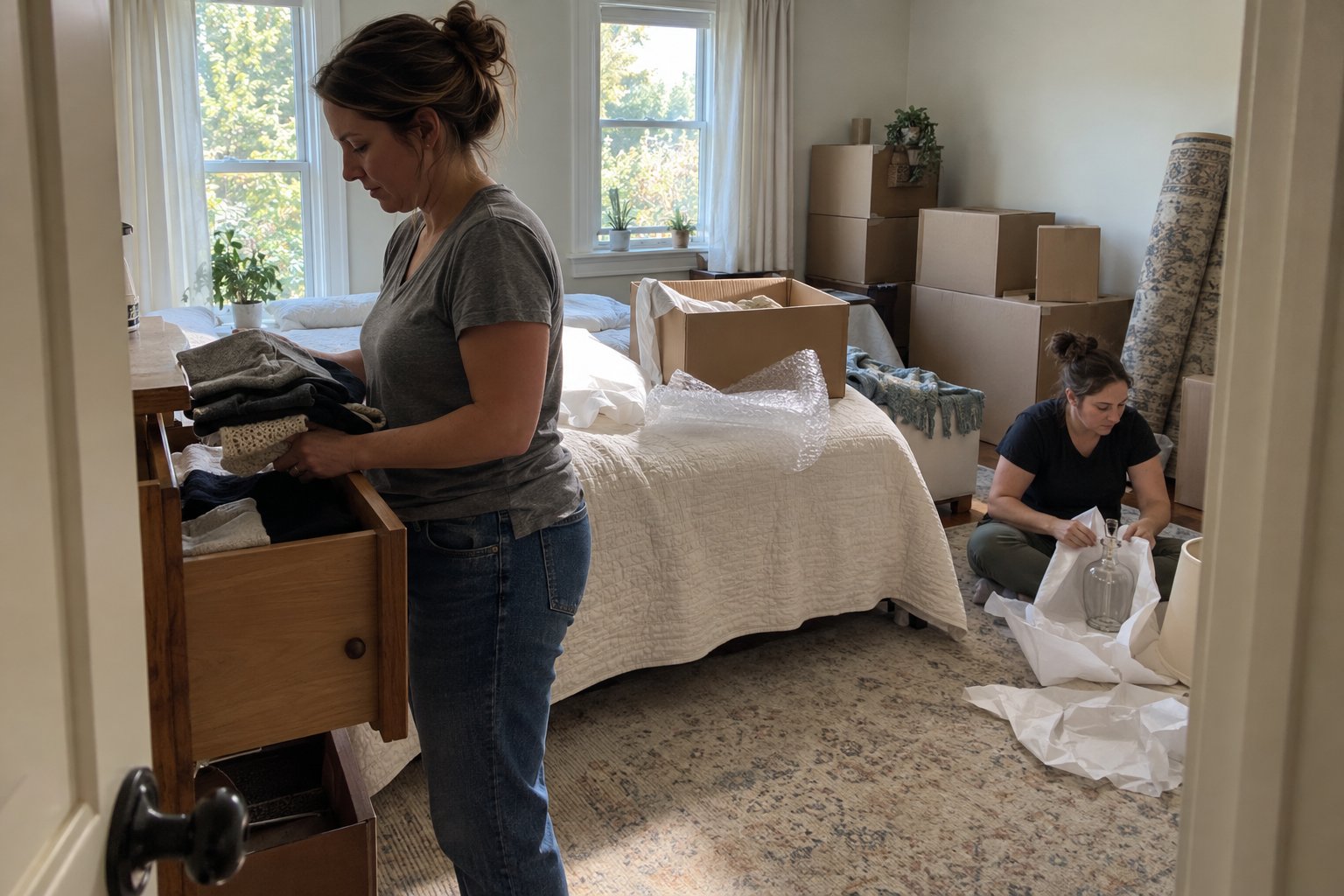
As you inventory, sort everything into three categories: move it, donate or discard it, and handle it separately. Coats that no longer fit anyone in the household, shoes that have been sitting unworn at the bottom of the rack for two years, sports equipment for sports nobody plays anymore, and umbrellas with broken ribs are all strong candidates for the discard pile. Outgrown kids' gear, duplicate bags, and seasonal items you have not touched in multiple seasons should be evaluated honestly rather than automatically moved to the new house.
Whatever makes the cut is what you plan and pack around — and a leaner, more intentional list means less to carry, fewer boxes to unpack, and a mudroom at the new home that starts organized instead of inheriting the clutter of the old one. The mudroom is a high-leverage declutter opportunity, and taking it seriously pays off well beyond moving day.
Footwear is one of the mudroom's largest categories by volume, and it is also one of the easiest to pack badly. Shoes thrown loosely into a box without any structure shift during transport, scuff against each other, and arrive at the new home in worse shape than when they left. A little planning goes a long way here.
For everyday shoes, the most practical approach is to pack them in pairs, wrapped in packing paper or placed in individual shoe bags, and nested toe-to-heel in medium boxes. Stuffing the toe of each shoe with packing paper before wrapping helps the shoe hold its shape during transit and prevents the upper from collapsing. Pack heavier shoes — boots, work shoes, thick-soled sneakers — at the bottom of the box and lighter footwear on top.
Tall boots need extra attention. Insert a rolled-up magazine, a pool noodle cut to length, or a boot shaper into each boot before packing to keep the shaft upright and prevent the leather or material from creasing during the move. Wrap the exterior in packing paper, pair them together, and pack them standing upright in a dedicated box if possible. Avoid laying tall boots on their sides — they will crease and may not fully recover their shape.
Kids' shoes move fast through sizes, which makes the mudroom a good place to do a quick size-check before packing. Anything that no longer fits can go directly to a donation bag without making it onto the truck. Cleats and sports shoes with spikes or studs should be wrapped individually and packed in a separate box from other footwear to avoid scuffing or puncturing softer shoe materials.
Coats, jackets, vests, and everyday outerwear hanging in the mudroom present a straightforward packing challenge, but the execution matters — especially for bulkier or more delicate pieces.
The single best tool for moving hanging coats is a wardrobe box. These tall boxes come with a metal hanging rod built in, allowing coats to travel on their hangers exactly as they hang on the wall. Bulkier items like parkas, ski jackets, and heavy wool coats can go directly from the hook to the hanger bar without folding, which eliminates creasing and keeps the items ready to hang immediately in the new home. Professional moving companies often include wardrobe boxes as part of their service, and the team at 2 Jacked Guyz can advise on the right number and size for your load.
Lighter jackets, vests, and fold-friendly outerwear can be folded carefully and packed in large boxes, with the heaviest items at the bottom and lighter, more delicate pieces on top. Scarves, hats, gloves, and mittens pack well together in a medium box, sorted by season if you have the time — it makes unpacking in the new mudroom considerably easier. Keep sets together with a rubber band or tuck them into the pockets of the coat they belong with.
Many mudrooms and entryways have some form of built-in storage — a bench with lift-up storage, a cubby system mounted to the wall, a coat rack screwed into studs, or a combination unit that serves as the backbone of the entire space. These built-ins require more planning than freestanding pieces, and the approach depends on whether they are leaving with you or staying with the home.
Before you do anything else, check your purchase agreement or lease terms. True built-ins — units that are permanently affixed to the wall, involve structural modifications, or are considered part of the home's fixtures — typically stay with the home unless you and the seller have negotiated otherwise. Freestanding units that are anchored to the wall for stability but were not originally installed as part of the home's structure may be removable with the right tools and some patching.
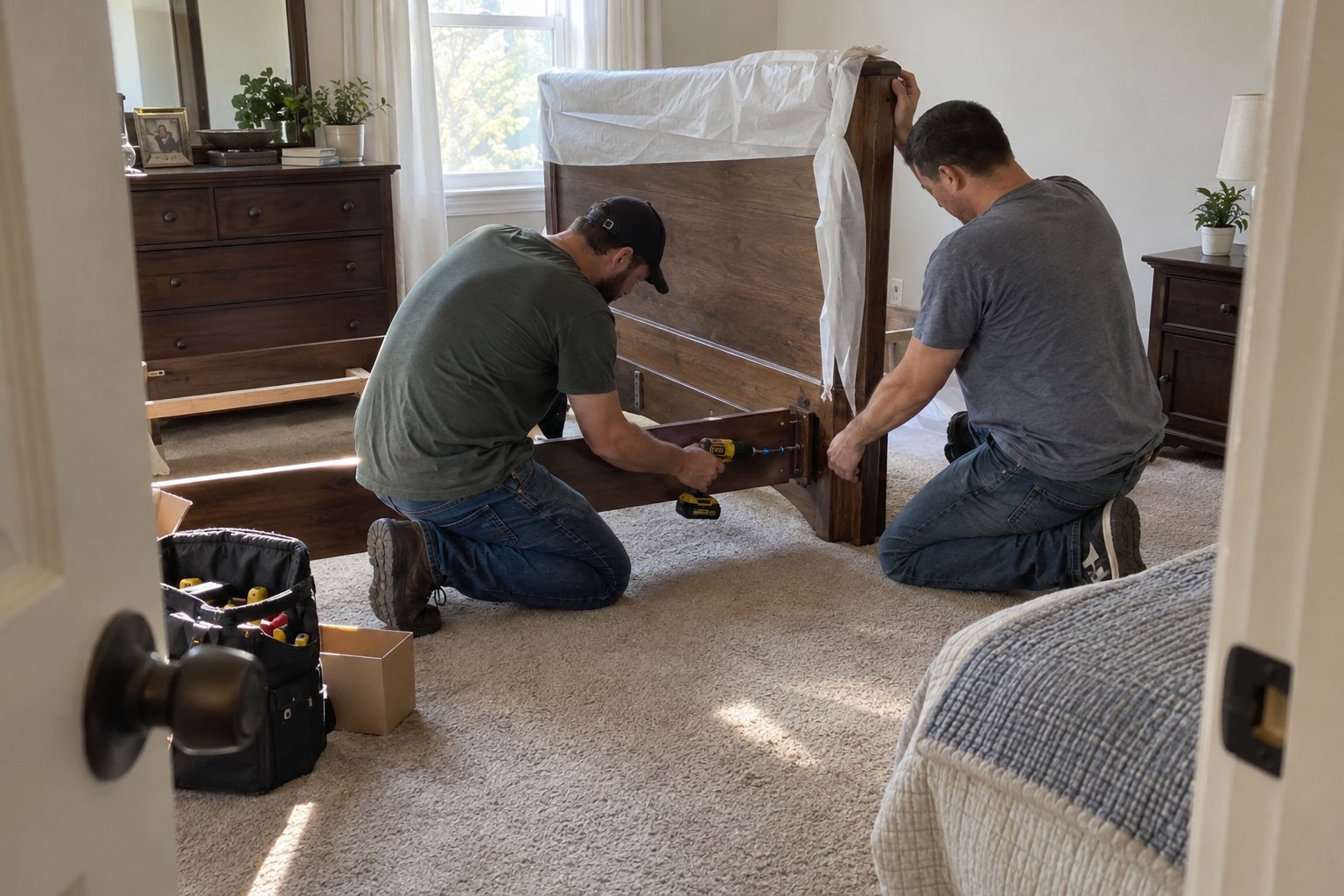
If you are removing an anchored piece, plan to fill and touch up any wall damage before moving day. Have the right tools ready — typically a screwdriver, drill, and stud finder — and know whether the mounting hardware is going with you or staying behind. Label all hardware and fasteners in a labeled zip-close bag taped to the piece it belongs to.
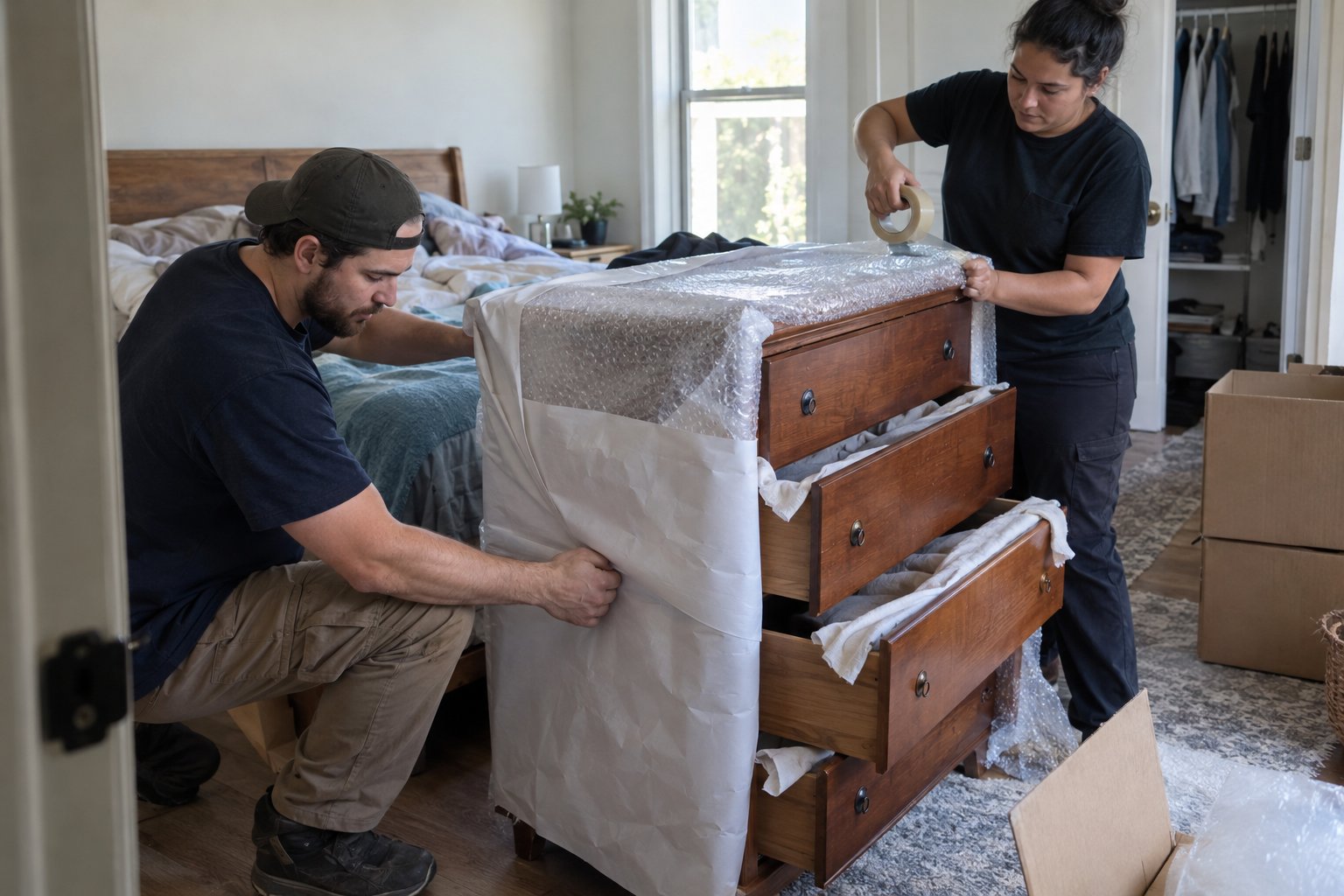
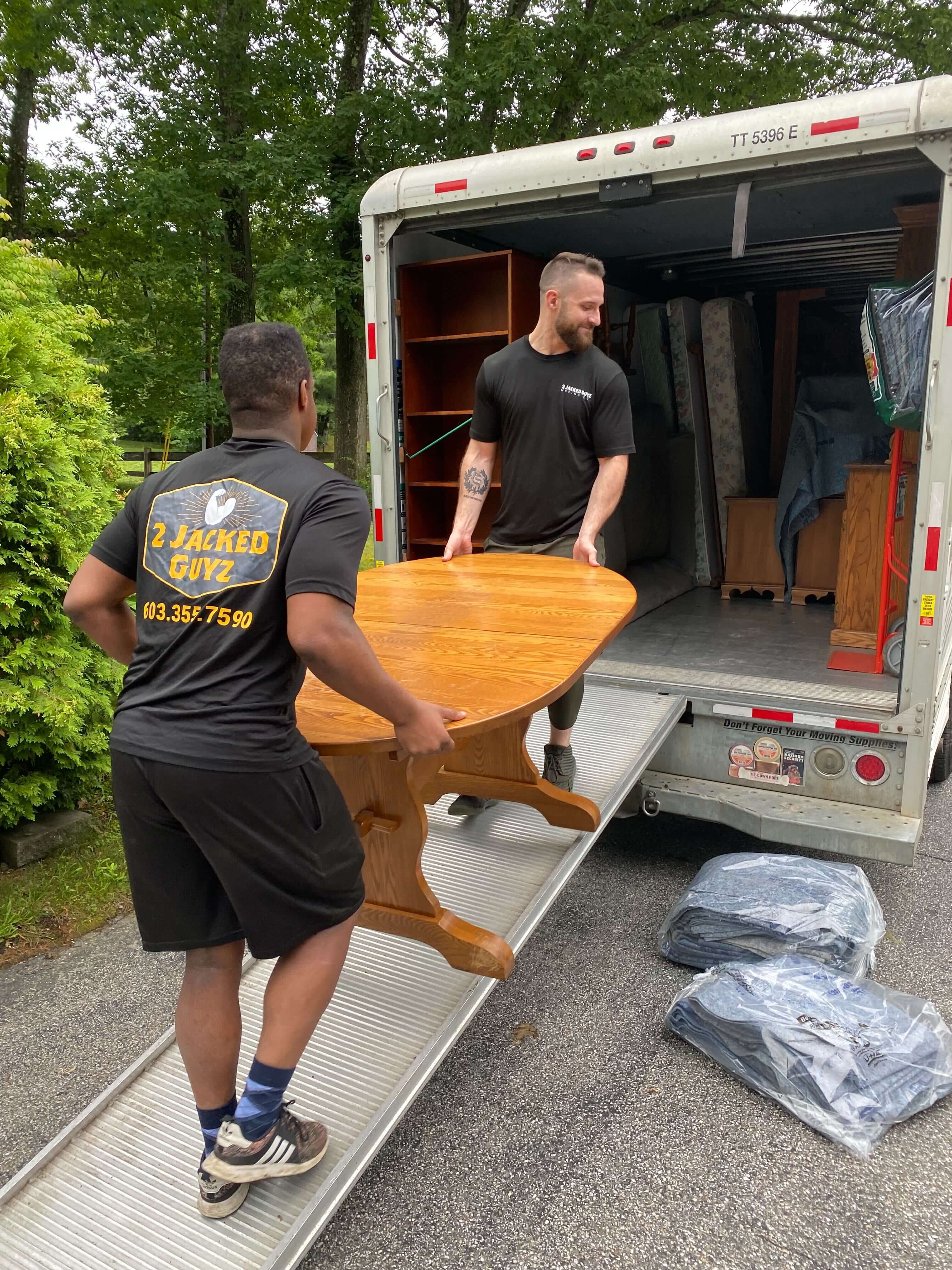
Freestanding pieces that are not structurally attached are much simpler to handle. Empty them completely before moving — this sounds obvious, but mudroom storage has a way of hiding items in bins, under lift-up seats, and behind doors that get overlooked on moving day. Once empty, assess whether the piece disassembles for transport. Many freestanding mudroom units have removable shelves or panels that reduce bulk and make loading significantly easier. Remove all legs and hardware that can be taken off, bag and label every screw and bolt, and wrap the main body in furniture pads or moving blankets before loading.
The mudroom tends to be the household's gear staging area — and that means it is often home to a wide and unpredictable mix of items that do not fit neatly into any single category. Sports equipment, backpacks, reusable grocery bags, dog leashes, umbrellas, keys, mail, charging cables, and a hundred other everyday essentials all tend to accumulate near the door.
Athletic gear — helmets, shin guards, lacrosse sticks, baseball bats, soccer balls, basketball equipment — is bulky, oddly shaped, and often dirty from regular use. Clean gear thoroughly before packing where possible, and sort by sport or by person before boxing. Balls and rounded items can be placed in large bags or duffel bags that travel well in the truck without a dedicated box. Long items like hockey sticks, lacrosse sticks, and ski poles should be bundled together with stretch wrap and loaded alongside other long items rather than jammed into a box at an angle.
Backpacks and bags are some of the most useful packing containers you have access to during a move — use them. Stuff backpacks with lightweight soft goods like scarves, hats, or rolled-up reusable bags. This keeps the bags from going flat and maximizes every cubic inch of truck space. Pack all bags and totes together in a large box or bundle them with stretch wrap for easy handling.
Your mudroom or entryway is the last room you will clear on moving day and the first space you will want functional in the new home. Designate a clearly labeled "open first" box for the mudroom and pack it with the items you will need within the first few hours of arrival: a few pairs of shoes, one or two coats, dog leashes, keys, and any other daily essentials. This box should be loaded last on the truck — and therefore unloaded first — so your entryway is functional from the moment you walk in the door.
On moving day itself, the mudroom gets one final walkthrough before anything is declared done. Check every cubby, every hook, every drawer, and every under-seat compartment. Mudrooms are notorious for hiding things — chargers tucked behind boot trays, umbrellas behind the door, keys on a hook obscured by a hanging coat. Walk through slowly and methodically before signing off.
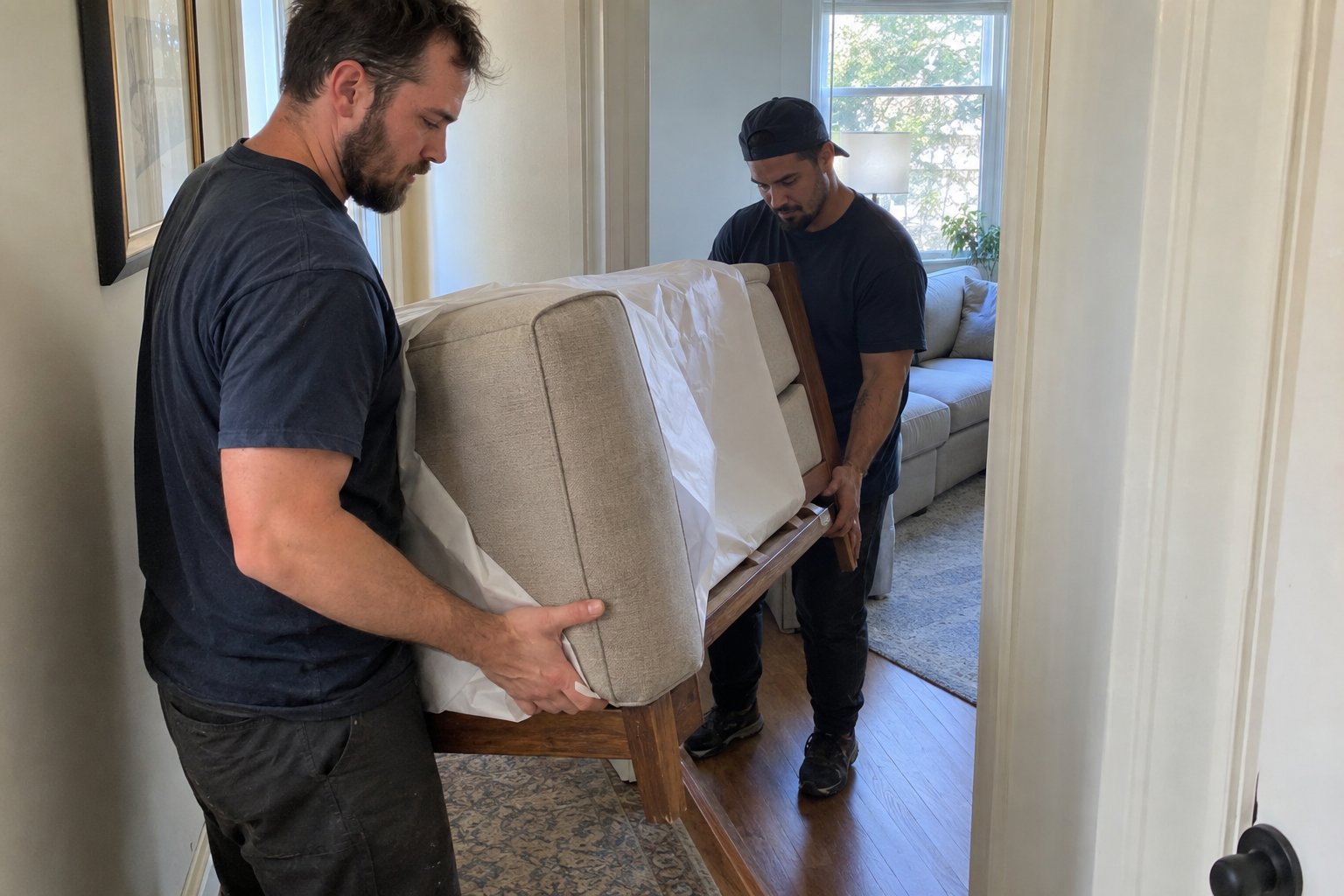
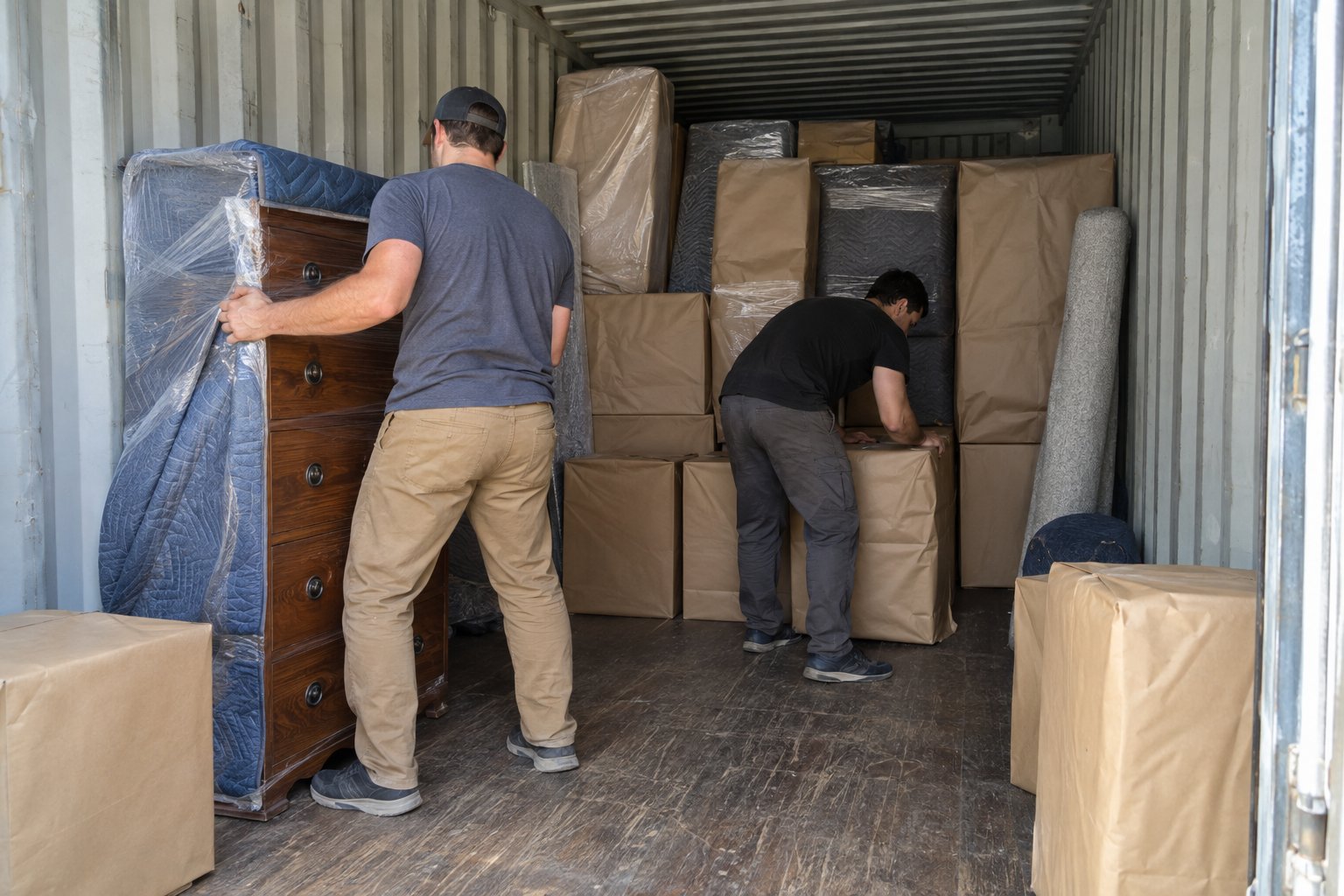
When loading the truck, think about placement. Boxes from the mudroom are almost always medium weight and manageable size — they load well in the middle rows of the truck rather than on the floor near the door or high on top of heavy furniture. Built-in or freestanding furniture from the mudroom should be padded, wrapped, and loaded with the finished face protected against moving blankets rather than raw metal or cardboard. If you are working with professional movers, communicate clearly which pieces are fragile or freshly painted so they can be handled accordingly.
Moving a mudroom well is really about respecting the fact that it is the household's functional gateway — the room that manages the daily flow in and out of the home. When it is packed thoughtfully and moved with care, settling into the new home starts the moment you walk through the front door.
Request a personalized quote and see how careful planning and reliable service make every move smoother. Our team prepares each step to handle challenges safely and efficiently.
The mudroom or entryway should be packed last among all the rooms in your home. Because it houses the items you use every single day — shoes, coats, bags, keys, and gear — clearing it too early leaves you without the everyday essentials you need right up until moving day. Clear and pack the mudroom the evening before or the morning of the move, and designate one clearly labeled box of daily essentials to load last on the truck and open first at the new home.
Wardrobe boxes are the best solution for moving hanging coats and jackets. These tall moving boxes have a built-in metal hanging rod that allows outerwear to travel on its hangers without folding or creasing. Lighter jackets and fold-friendly pieces can be carefully folded and packed flat in large boxes. Accessories like scarves, hats, and gloves can be tucked into coat pockets or boxed together in a labeled medium box.
You can, but wrapping each pair individually in packing paper will significantly protect them during the move. Shoes that are placed loosely in a box tend to scuff against each other, shift during transit, and arrive in worse shape. Wrapping pairs together, stuffing toes with packing paper to hold the shape, and packing heavier shoes at the bottom of the box keeps everything better protected. For tall boots, insert a rolled magazine or boot shaper to prevent the shaft from creasing during transport.
It depends on how they were installed and what your sale or lease agreement specifies. True built-ins that are permanently affixed and considered part of the home's structure typically stay with the property. Freestanding units that are simply anchored to the wall for stability may be removable. Review your purchase or rental agreement before assuming anything moves with you, and consult your real estate agent if you are unsure about a specific piece.
Sort sports gear by sport or by person before packing, and clean everything thoroughly first. Balls and rounded items travel well in large duffel bags or open-top bins without needing a dedicated box. Long equipment like hockey sticks, lacrosse sticks, and baseball bats should be bundled together with stretch wrap and loaded alongside other long items in the truck rather than forced into boxes at an angle. Helmets and protective gear pack well inside large boxes with soft padding around them to prevent cracking.
No long forms, no delays. Just a move that’s ready when you are. Secure your moving date today.