
Learn how to pack and move a home bar safely — from wrapping delicate glassware and sealing open bottles to disassembling bar carts and protecting your collection.
Figuring out how to pack and move a home bar is one of those moving challenges that looks deceptively simple from the outside — until you are standing in front of a fully stocked cabinet holding a bottle of 18-year Scotch in one hand and a stack of crystal coupe glasses in the other, wondering exactly how you are going to get all of this to the new house in one piece. You are looking at open bottles that can leak or shatter, heavy glassware that chips or cracks at the slightest pressure, a bar cart with wobbly wheels that was never designed to be lifted, and a furniture piece — whether that is a freestanding cabinet, a built-in unit, or a converted sideboard — that is bulky, top-heavy, and almost certainly heavier than it looks. Add in specialty items like decanters, cocktail shakers, bar tools, and bitters collections with little glass dropper bottles, and the complexity adds up fast.
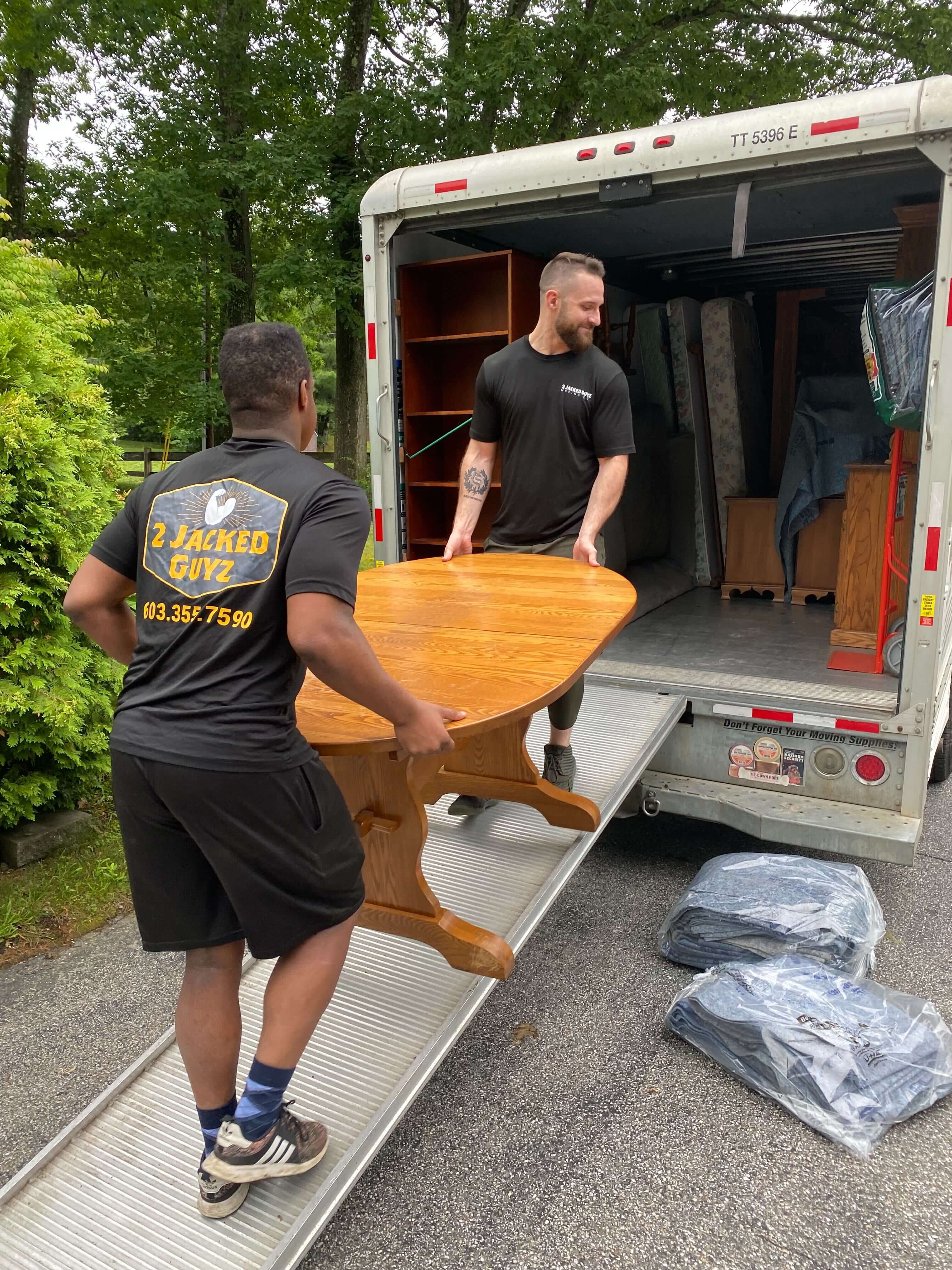
The good news is that moving a home bar — even a substantial one — is completely manageable when you approach it with the right packing materials, the right sequence, and a clear understanding of what needs special handling. And if you would rather hand the heavy lifting to professionals who know how to handle everything from a wheeled bar cart to a built-in liquor cabinet, the team at 2 Jacked Guyz professional movers is ready to take it from overwhelming to done.
Before you reach for a single sheet of packing paper or pull out the bubble wrap, walk through your entire home bar setup and take real stock of what you have. This step is easy to skip — especially when you are managing a dozen other moving tasks at the same time — but it pays off significantly on moving day and on the other side of the move.
Sort your bar into clear categories: spirits you drink regularly, specialty or aged bottles you are actively collecting, liqueurs and mixers, and anything you have not touched in over a year. Moving is the best opportunity you will get to honestly evaluate what deserves truck space. A half-empty bottle of flavored vodka from a party two years ago, a liqueur you bought for one cocktail and never used again, a dusty bottle of something you received as a gift and do not enjoy — these are the items worth reconsidering before they take up padding and packing time.
Check your glassware with the same honesty. Mismatched rocks glasses, a set you are holding onto out of obligation, stemware that has already lost a few members — a move is the natural moment to pare down to what you actually use and love. Every item you do not pack is one fewer fragile object that can break in transit.
Bottles are the most structurally risky part of any home bar move, and they require a specific approach that goes well beyond tossing them into a box with some newspaper. The combination of glass, liquid weight, and the potential for leakage means every bottle needs individual attention before it goes into a box.
Open bottles are the number-one source of bar-related moving disasters. Even a cap that seems tight can vibrate loose during a move, and the result — sticky, soaked cardboard and damaged surrounding bottles — is a nightmare to deal with on the road or at the new house. Before you pack a single open bottle, wrap the cap tightly with plastic cling wrap two or three times around the neck, then secure it with a strip of packing tape. This creates a secondary seal that holds even if the cap works slightly loose during transit.
For cork-sealed bottles, place a small piece of plastic wrap over the mouth before replacing the cork, then tape the cork in place. Never lay cork-sealed bottles on their sides for moving — keep them upright to prevent the cork from absorbing liquid and swelling, which can compromise the seal.
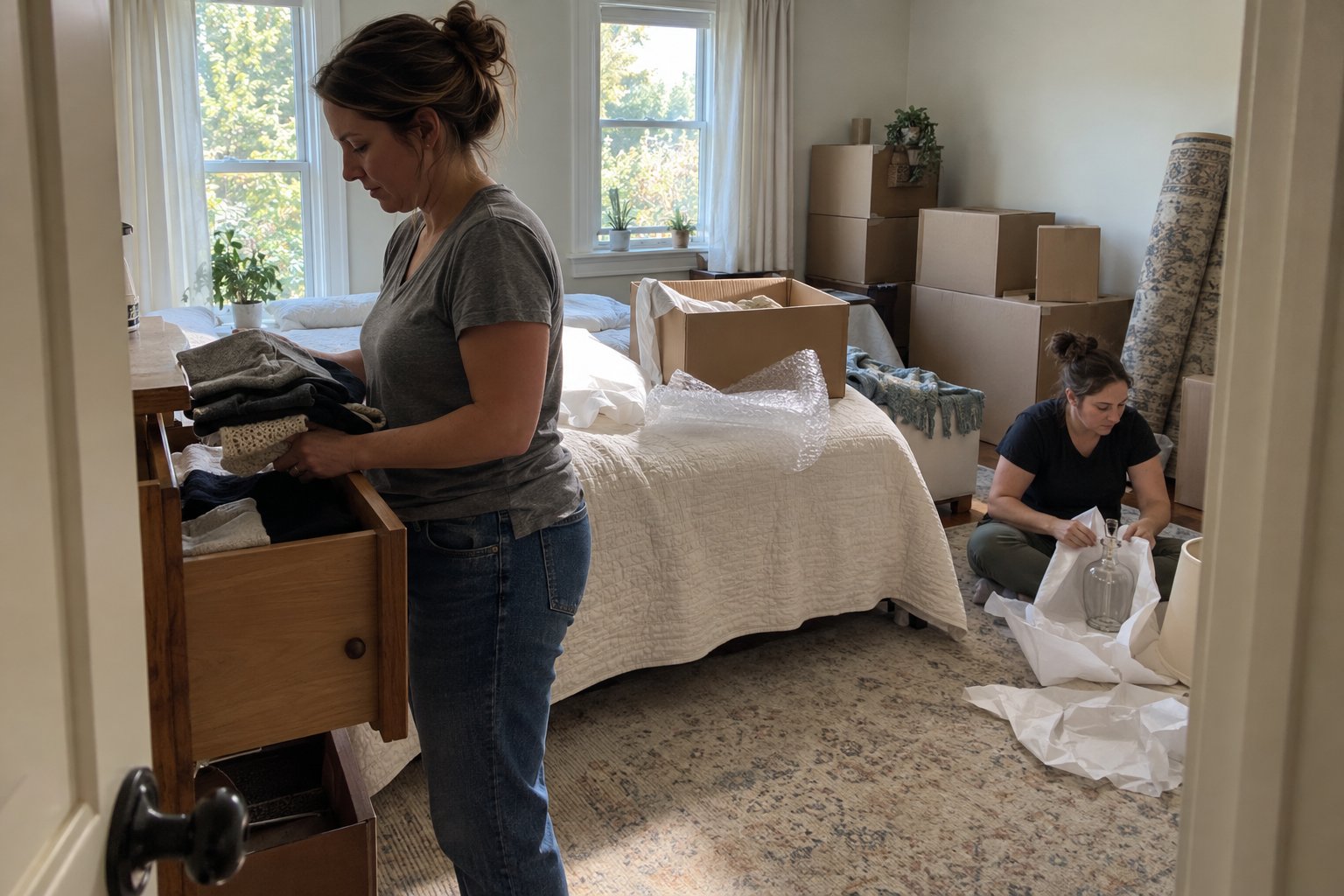
Every bottle — open or sealed — should be wrapped individually in several layers of packing paper or bubble wrap. Start by placing the bottle in the center of a sheet of packing paper, then roll it toward one corner, folding in the ends as you go. The neck of the bottle is particularly vulnerable and should receive an extra wrap. Once wrapped, place bottles upright in a sturdy, double-walled box. Specialty wine and spirits boxes with individual cardboard dividers are ideal for this purpose and are often available from liquor stores for free — call ahead and ask, because they go fast.
Pack heavier bottles on the bottom and lighter ones on top. Fill any empty space at the top and sides of the box with crumpled packing paper so bottles cannot shift during transit. Seal the box with quality packing tape and label it clearly: "FRAGILE — LIQUOR — THIS SIDE UP." That last part matters. A box of upright bottles laid on its side in a moving truck is a recipe for leakage even with perfect packing.
Glassware is the most fragile element of any home bar, and it demands the same level of care you would give fine china or crystal. The good news is that the packing method is well-established — it just requires patience and enough materials to do it right.
Stemmed glassware — wine glasses, champagne flutes, cocktail coupes — is particularly vulnerable because the stem is the weakest point and the most likely to snap under pressure. Start by stuffing the inside of each glass with crumpled packing paper to provide interior support and prevent the sides from collapsing inward. Then place the glass upside down in the center of a sheet of bubble wrap, wrap it completely, and secure the bundle with tape. Pack glasses upside down in a cell-divided box, with additional crumpled paper filling every gap. Never stack stemmed glasses directly on top of each other.
Heavier, stemless glassware is more forgiving but still requires individual wrapping. Stuff each glass with packing paper, wrap the exterior in two to three layers of packing paper or one layer of bubble wrap, and pack them in a divided box with rims facing down. Rims are the most vulnerable point on stemless glassware — packing them face-down distributes weight to the base and reduces the risk of chips and cracks.
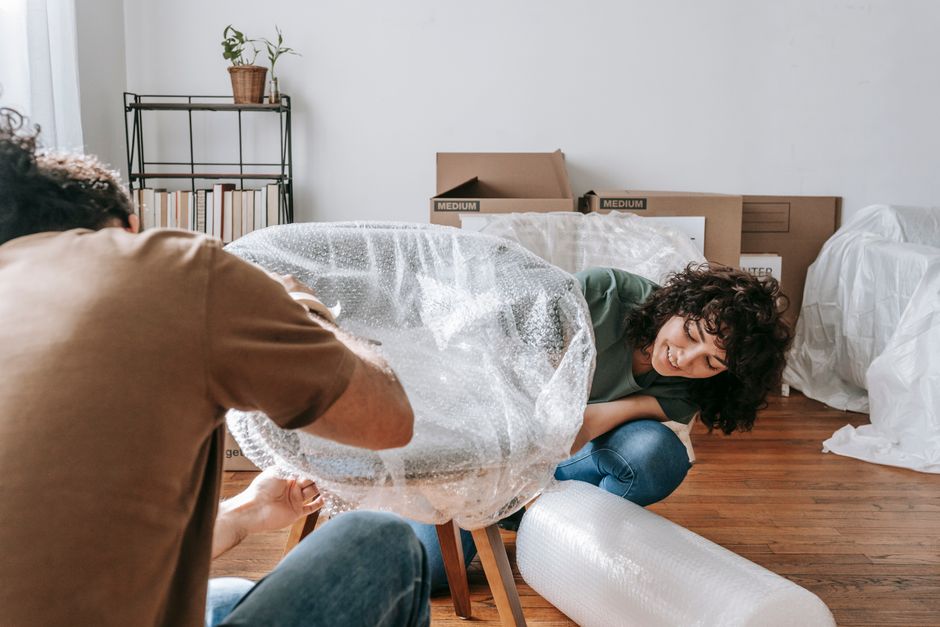
Decanters, particularly crystal ones, deserve extra care. Wrap them in multiple layers of bubble wrap and pack them in their own box with generous padding on all six sides. If your decanter came in its original box, use it — manufacturers design those packages specifically to protect the piece during shipping. Bar tools — shakers, strainers, muddlers, jiggers — can be bundled together in groups, wrapped in packing paper, and packed in a medium box with padding. Bitters and tinctures in small glass bottles should be treated like open liquor: sealed with plastic wrap and tape, wrapped individually, and packed upright.
The furniture component of a home bar is where the real physical challenge kicks in. Bar cabinets, sideboards repurposed as bars, bar carts, and built-in units all present different logistical problems — but all of them share one rule: empty them completely before you move them. Never attempt to move a bar cabinet with bottles still inside. The shifting weight can crack the furniture itself, shatter contents, and create a safety risk for the people doing the lifting.
Bar carts are deceptively tricky to move. They are designed for rolling around a dining room or living room on smooth floors — not for loading onto a truck ramp or fitting through a tight doorway. Remove any shelves that detach, wrap the cart in moving blankets to protect the finish, and secure the blankets with stretch wrap. Check whether the wheels lock; if they do, lock them for the move. If they do not lock, the cart should be positioned against a wall or secured so it cannot roll in the truck.
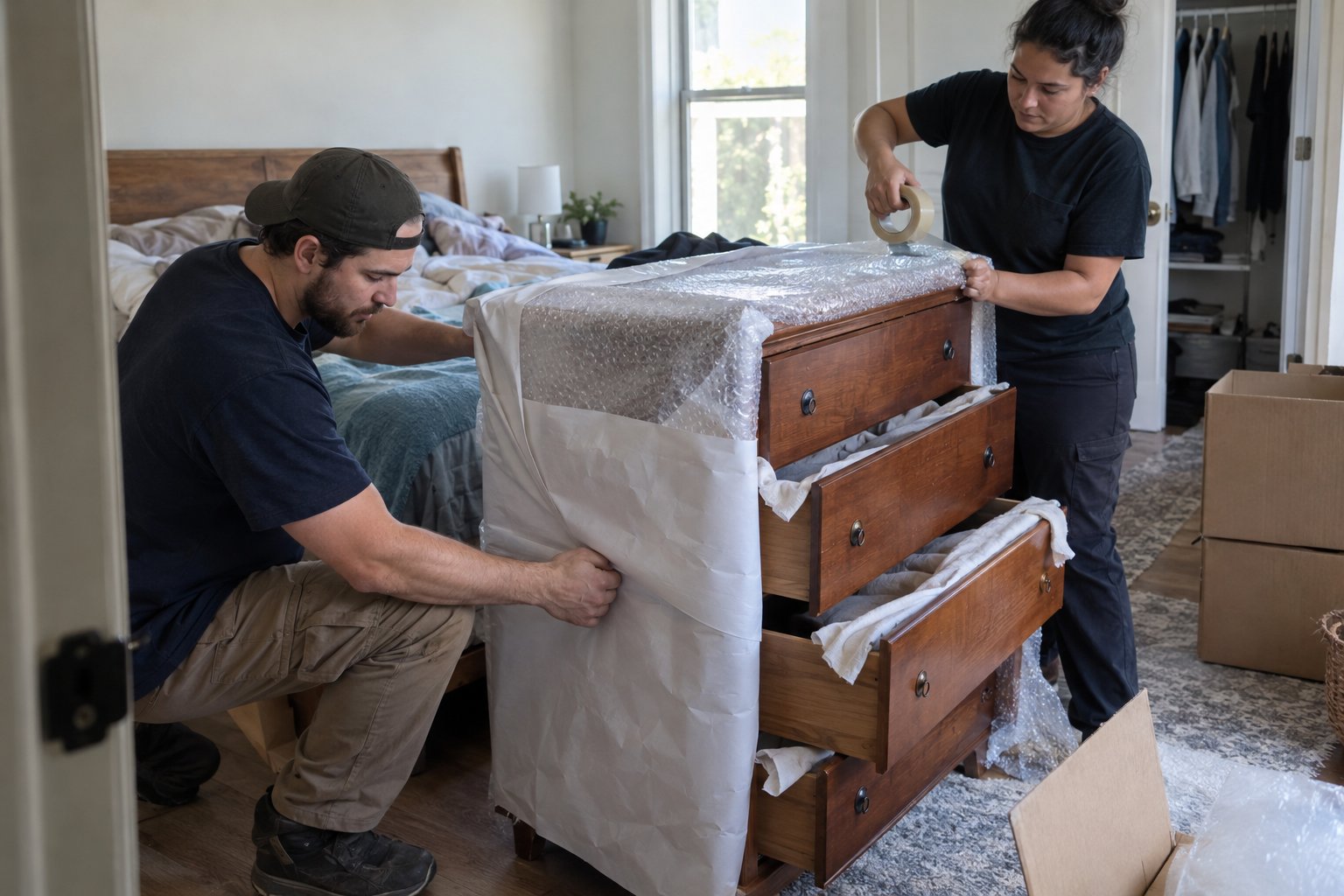
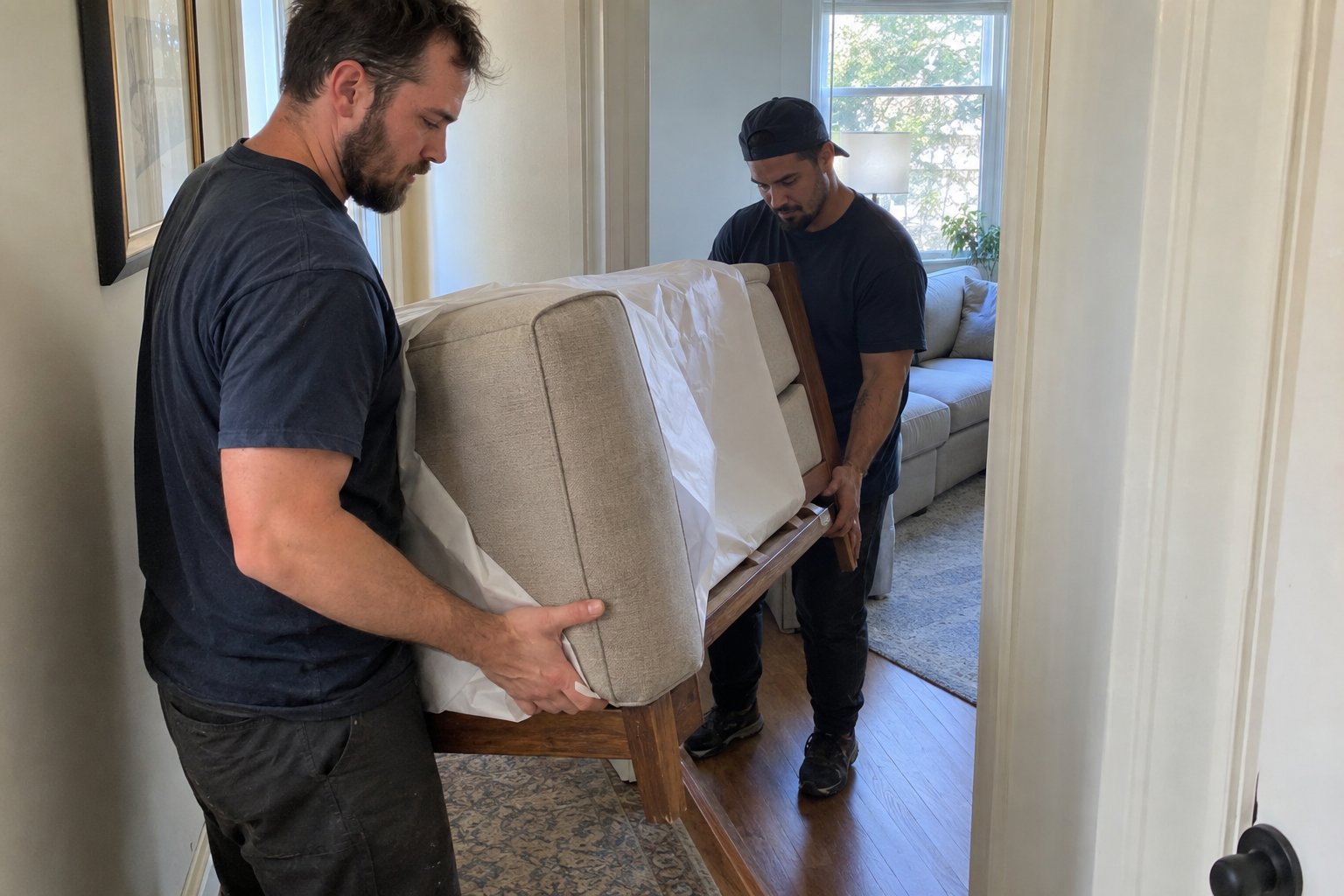
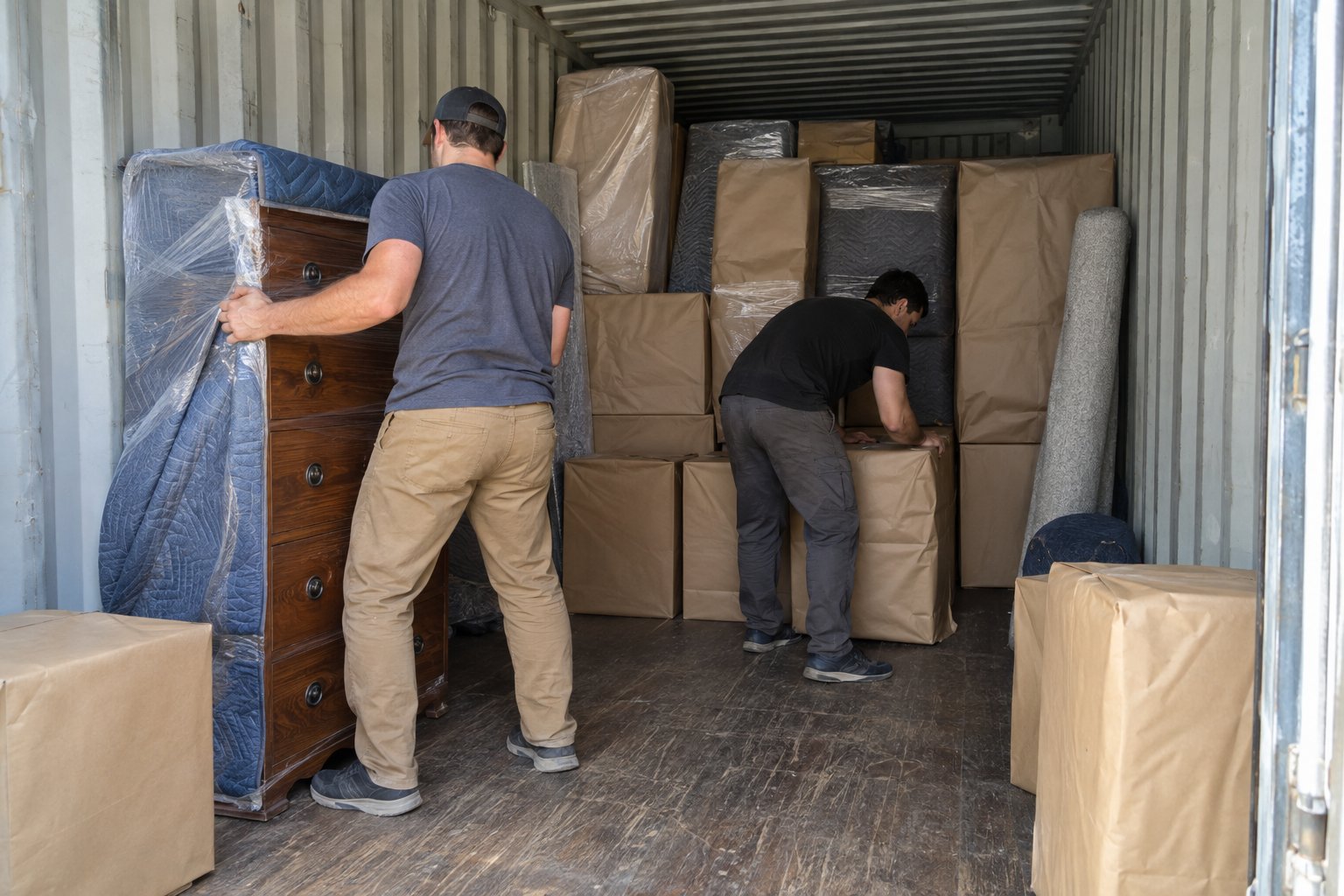
Freestanding bar cabinets and sideboards should be emptied completely, with any removable shelves and drawers taken out and packed separately. Wrap the furniture piece in moving blankets and secure with stretch wrap. Pay particular attention to glass-front panels or mirrored backs — these should be taped in an X pattern with painter's tape to help hold the glass together if it is struck during the move, then wrapped with an extra layer of foam or bubble wrap on top of the blanket. Carry the cabinet with at least two people and use a furniture dolly wherever floor surfaces allow.
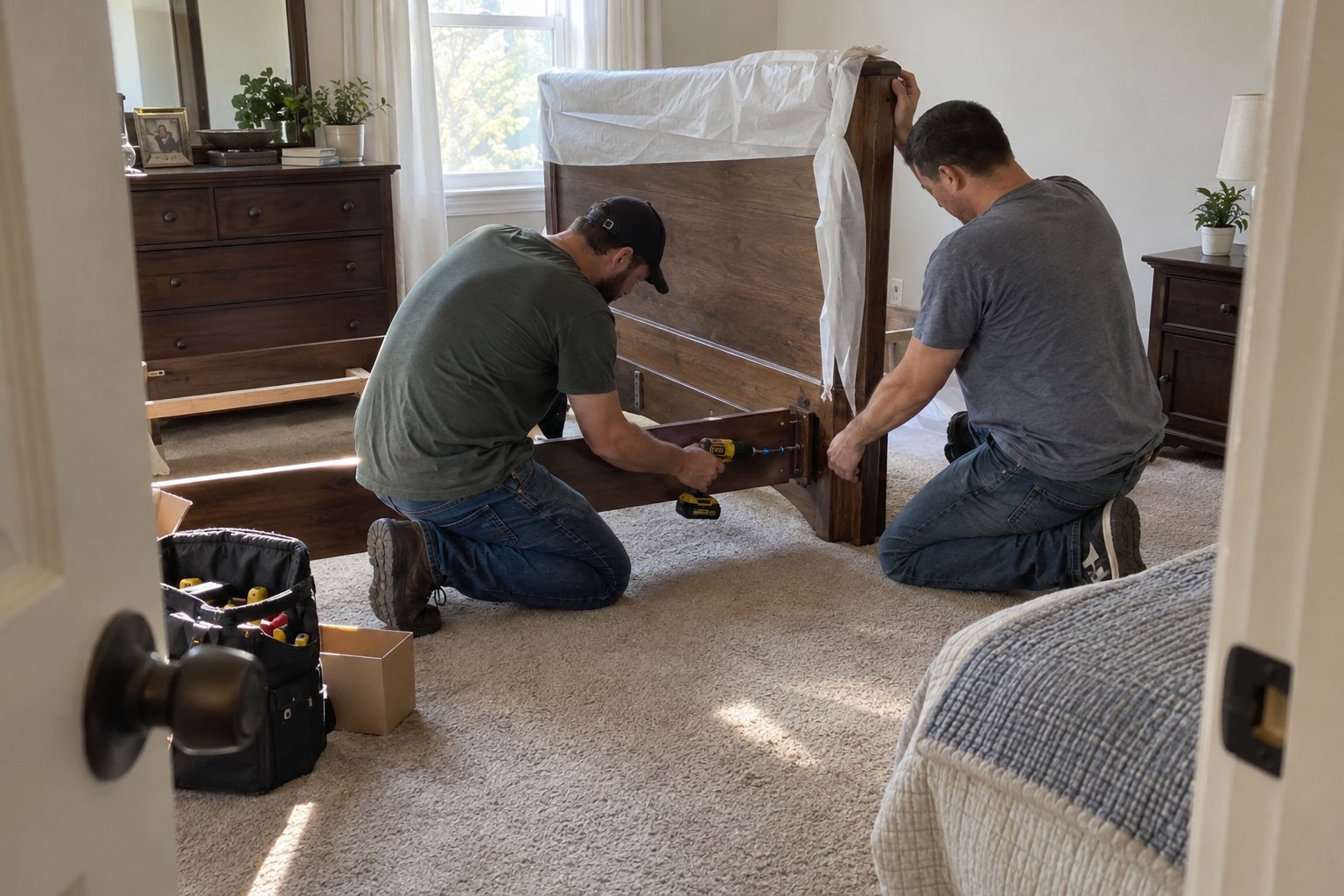
If your home bar is a built-in unit — bolted to the wall, plumbed for a sink, or tied into cabinetry — the disassembly process is more involved and may require a contractor or carpenter in addition to your moving crew. Document everything with photographs before any disassembly begins, and assess carefully whether the unit can realistically be reinstalled at the new property or whether it makes more sense to leave it behind. Built-in bars are one of the cases where professional moving experience matters most, because the wrong disassembly sequence can damage surrounding walls, floors, or cabinetry.
On moving day itself, keep your home bar boxes together and make sure the crew loading the truck knows which boxes are fragile and require upright positioning. Liquor boxes should never be laid on their sides, stacked under heavy items, or placed near appliances or other pieces that can shift. Ideally, bar boxes ride in the truck cab or are secured in a dedicated section of the truck where they are not at risk of being crushed by larger furniture.
If you are moving during summer or in a hot climate, be aware that extended heat exposure — particularly inside a closed truck — can affect certain spirits, accelerate oxidation in open bottles, and, in extreme cases, cause pressure buildup in carbonated or fermented products. Try to load bar boxes last so they spend as little time as possible in a hot truck, and unload them first at the new home so they can be moved into a climate-appropriate space quickly.
At the new home, designate your bar area before the truck arrives so bottles and furniture can be carried directly to their destination rather than staged in a hallway and moved a second time. Setting up your bar on the first day is a small reward for a big move — and it is much easier to enjoy it when every bottle arrived intact.
Request a personalized quote and see how careful planning and reliable service make every move smoother. Our team prepares each step to handle challenges safely and efficiently.
Wrap the cap of every open bottle tightly with plastic cling wrap two or three times around the neck, then secure it with a strip of packing tape. For cork-sealed bottles, place a small piece of plastic wrap over the mouth before replacing the cork and tape the cork in place. Always pack bottles upright — never on their sides — to prevent leakage and to protect cork seals from absorbing liquid and swelling.
Specialty liquor boxes with individual cardboard dividers are the best option for packing bottles. Many liquor stores give these away for free — call ahead and ask. If divider boxes are not available, use sturdy double-walled boxes and wrap every bottle individually in packing paper or bubble wrap, packing them upright and filling all empty space with crumpled paper so nothing can shift in transit.
Stuff the inside of each glass with crumpled packing paper to provide interior support, then wrap the outside in bubble wrap and secure with tape. Pack stemmed glasses and coupes upside down in a cell-divided box so the rim — the most vulnerable point — faces down and rests on padding rather than on another glass. Never stack glassware directly on top of each other, and always label bar glassware boxes as fragile.
It is not recommended. Bar carts are designed for smooth interior floors, not ramps, thresholds, or uneven surfaces. The risk of tipping, wheel damage, and scratched flooring is high. Instead, empty the cart completely, wrap it in moving blankets secured with stretch wrap, and carry or dolly it onto the truck. If the wheels lock, engage them for the move to prevent rolling inside the truck.
Tipping is not required, but it is a genuinely appreciated way to recognize extra effort on a challenging move. If your crew handled heavy, awkward bar furniture, navigated tight hallways with fragile glassware boxes, or went above and beyond to make sure everything arrived safely, a tip reflects that recognition. The amount is entirely up to you and based on your satisfaction with the job.
No long forms, no delays. Just a move that’s ready when you are. Secure your moving date today.