
Learn how to pack and move a closet the right way — clothes, shoes, built-ins, and all. Step-by-step tips from the pros at 2 Jacked Guyz.
Figuring out how to pack and move a closet is one of those moving tasks that always takes longer than expected. On the surface it looks manageable — a rod of hanging clothes, a few shelves of folded items, shoes lined up on the floor — but the moment you open the doors and actually start pulling things out, the scale of it becomes clear fast. You are looking at dozens of garments that wrinkle the moment they leave the hanger, shoes that have no obvious box to go in, accessories tangled at the back of shelves, bags stuffed inside other bags, and built-in shelving or organizer systems that may need to be fully dismantled before moving day. Add in a master closet shared between two people, a linen closet packed floor to ceiling, or a reach-in with a door that barely opens, and the challenge compounds quickly.
The good news is that packing and moving a closet — even a large, overstuffed, or custom-built one — is completely manageable when you approach it with the right materials, the right sequence, and a clear understanding of what each category of item actually needs. And if you would rather hand the heavy lifting to professionals who know how to handle everything from a wardrobe full of formal wear to a freestanding armoire, the team at 2 Jacked Guyz professional movers is ready to take it from overwhelming to done.
Before you pull out a single garment bag or fold a single sweater, the most valuable thing you can do is declutter. Closets have a way of quietly accumulating things for years — clothes that no longer fit, shoes worn once and forgotten, accessories from a phase that has long since passed. Moving is the single best opportunity to reset all of that, and doing the declutter before you pack means you are not wasting time, boxes, and moving weight on things you will never use at the new place.
Go through every category methodically. Pull everything off the hanging rod and go item by item — if you have not worn it in the past year, be honest about whether it is coming with you. Do the same with folded items on shelves, shoes, bags, and anything stored on the closet floor or stacked on the top shelf. The goal is not minimalism for its own sake — it is making sure that every single thing you pack has a real reason to make the move.
Sort your discards into three piles: donate, sell, and discard. Anything in good condition that you simply no longer use can be donated to a local charity or passed along. Items of real value — a designer piece, a rarely worn but quality coat — are worth listing for resale. Damaged items, worn-out shoes with no more life in them, and single socks should simply go. The lighter your closet is going into packing, the faster and cheaper the entire move becomes.
Hanging clothes are one of the easiest categories to move when you use the right approach — and one of the most frustrating when you do not. The single best tool for moving hanging garments is a wardrobe box: a tall, heavy-duty cardboard box with a metal hanging bar built into the top. You hang your clothes directly from the closet rod to the wardrobe box bar, close the box, and the garments arrive at the new home ready to go straight back onto a rod. No folding, no rehanging, no wrinkle disasters.
Wardrobe boxes are not cheap, but they are worth every dollar for dress clothes, suits, formal wear, delicate blouses, and anything that is difficult or impossible to iron. Aim to fill each wardrobe box fully but not so tightly that the garments are compressed together — that defeats the purpose. Keep similar categories together in each box: all dress shirts in one, all pants in another, so unpacking is logical on the other side.
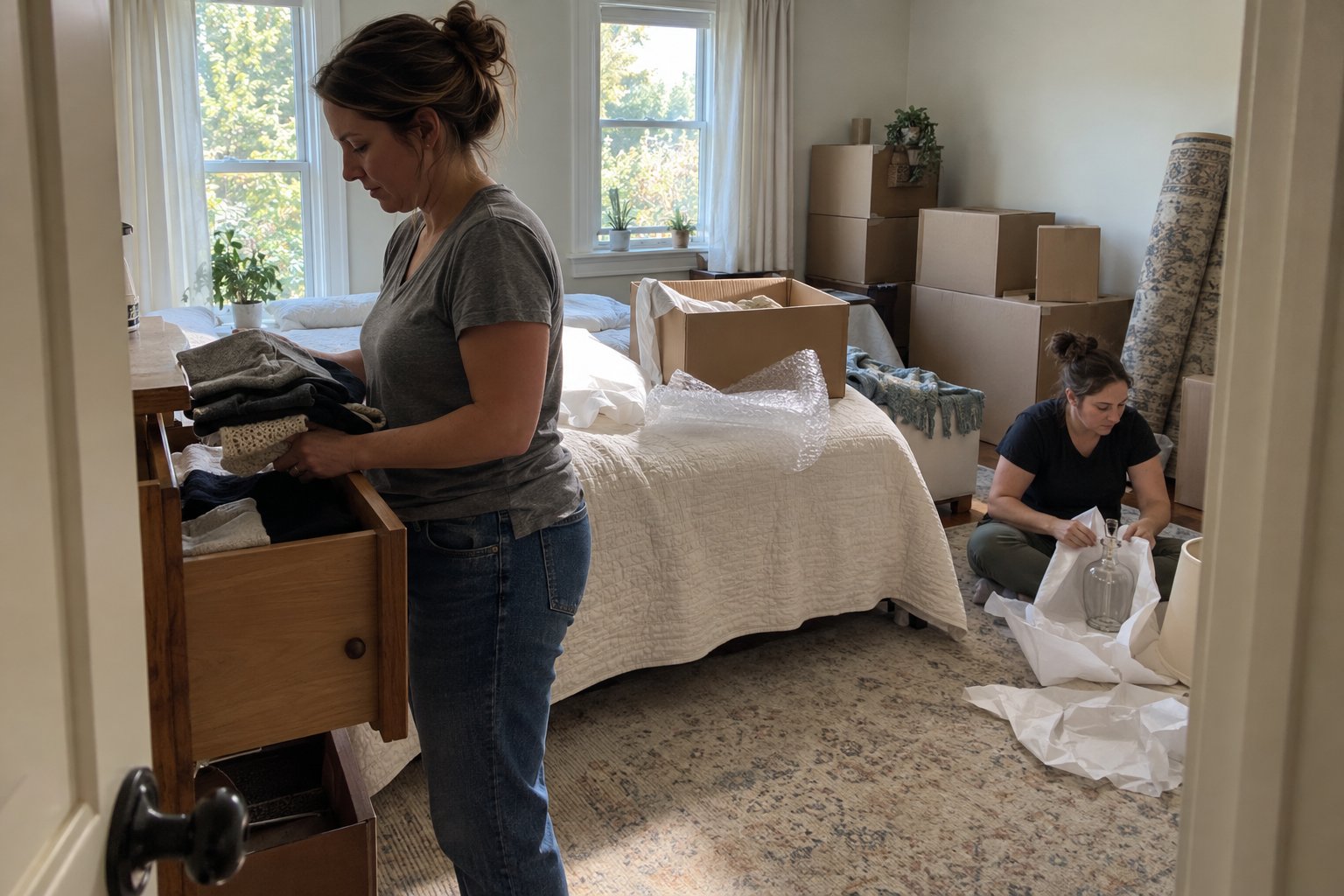
For everyday clothes that are less wrinkle-sensitive — casual shirts, jeans, hoodies, loungewear — there is no need to spend on wardrobe boxes. Fold these items neatly and pack them into standard medium boxes or large bags. Folded clothes are surprisingly heavy in bulk, so resist the urge to overload a single box. A box of tightly packed clothing is harder to lift safely than it looks, and a medium box that is 75 percent full is far better than a large box so heavy no one can carry it comfortably.
There is a simple trick that works well for a cluster of casual hanging items when you are short on wardrobe boxes or time: gather a group of garments on their hangers, pull a large garbage bag up from the bottom over the clothing (leaving the hooks exposed at the top), and tie or knot the bag loosely around the hooks. The clothes stay on their hangers, stay grouped together, and are protected from dust and snags during the move. This is not ideal for delicate or formal items — wardrobe boxes are always better for those — but for everyday pieces it is a fast and practical solution.
Shoes are one of those categories where the packing approach really does matter for the outcome. Thrown loose into a large box, shoes bang into each other, scuff finishes, and arrive in a jumbled mess that takes forever to sort out. Packed thoughtfully, they are easy to transport and just as easy to unpack.
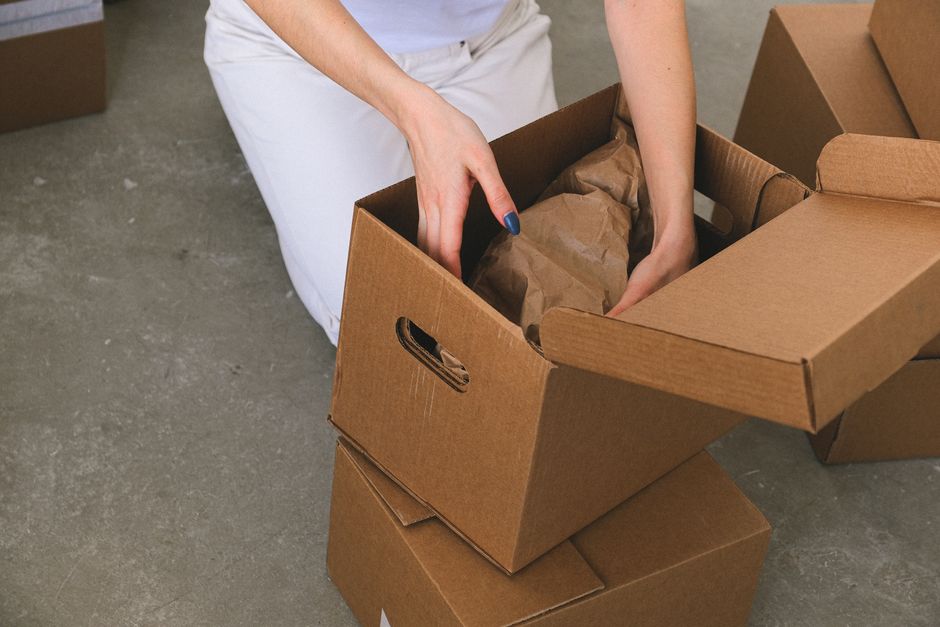
The best container for shoes is the original shoebox, if you still have it. Original boxes keep pairs together, protect the shape of the shoe, and stack neatly inside a larger box. If you do not have the original boxes, wrapping each shoe individually in packing paper and packing pairs together is the next best option. Stuff the toe of each shoe lightly with packing paper to help it hold its shape during the move — this matters especially for leather shoes, boots, and heels that can crease or deform under pressure.
For everyday sneakers and casual shoes, you can pack them directly into a medium box without individual wrapping as long as you are keeping the box reasonably full so shoes are not bouncing around. Interlock the shoes so the sole of one faces the upper of the other — this nests them more compactly and reduces movement in transit. Keep heavy boots and work shoes separate from delicate dress shoes and heels to avoid pressure damage.
If you own genuinely valuable footwear — collector sneakers, luxury heels, custom boots — treat them the way you would treat any other high-value item. Each shoe gets individual wrapping in clean packing paper, then a layer of bubble wrap, and ideally its own box or a divided section of a larger box. Photograph the pairs before packing so you have a record of their condition. These pieces are worth the extra few minutes of care.
Built-in closet systems — the kind with custom shelving, drawer units, hanging sections at multiple heights, and integrated lighting — are a moving challenge in a category of their own. The key question to answer before moving day is simple: is the system staying or going?
In many cases, built-in closet organizers are considered a fixture of the home and are expected to stay for the next owner or tenant. If that is the case, your job is straightforward: remove everything stored in the system and pack those contents, but leave the structure itself in place. Confirm this with your real estate agent or landlord before you start pulling anything apart.
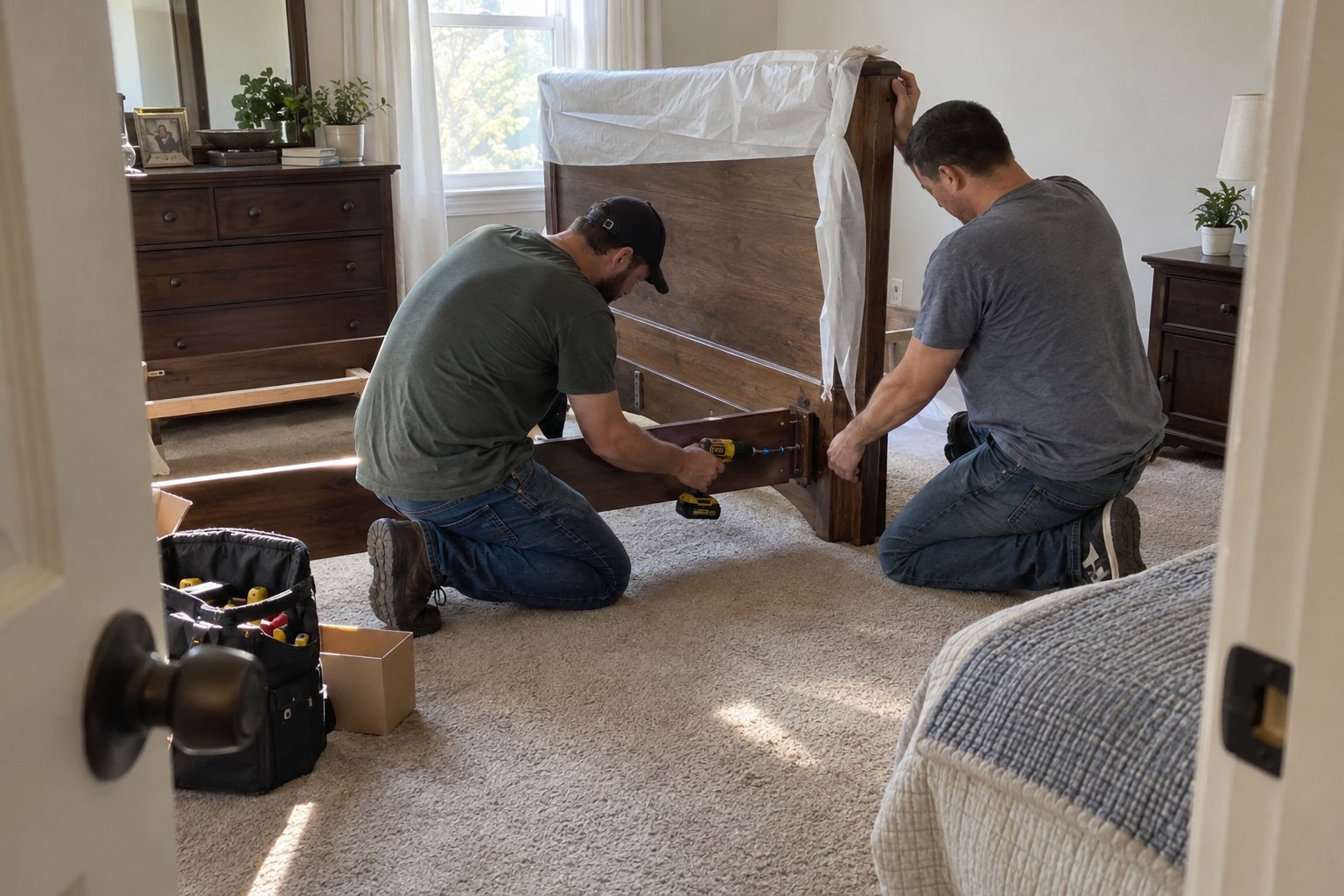
If the built-in system is coming with you — because it was a standalone unit you installed yourself, or because you have negotiated to take it — you are looking at real disassembly work. Take photographs of the system from every angle before you start. Those photos are your assembly guide on the other side and will save you significant time and frustration. Remove all shelves and drawer units, keeping the hardware (screws, pins, brackets) in labeled zip-close bags taped directly to the component they belong to. Wrap any finished wood panels in moving blankets or furniture pads to protect the surfaces during transit.
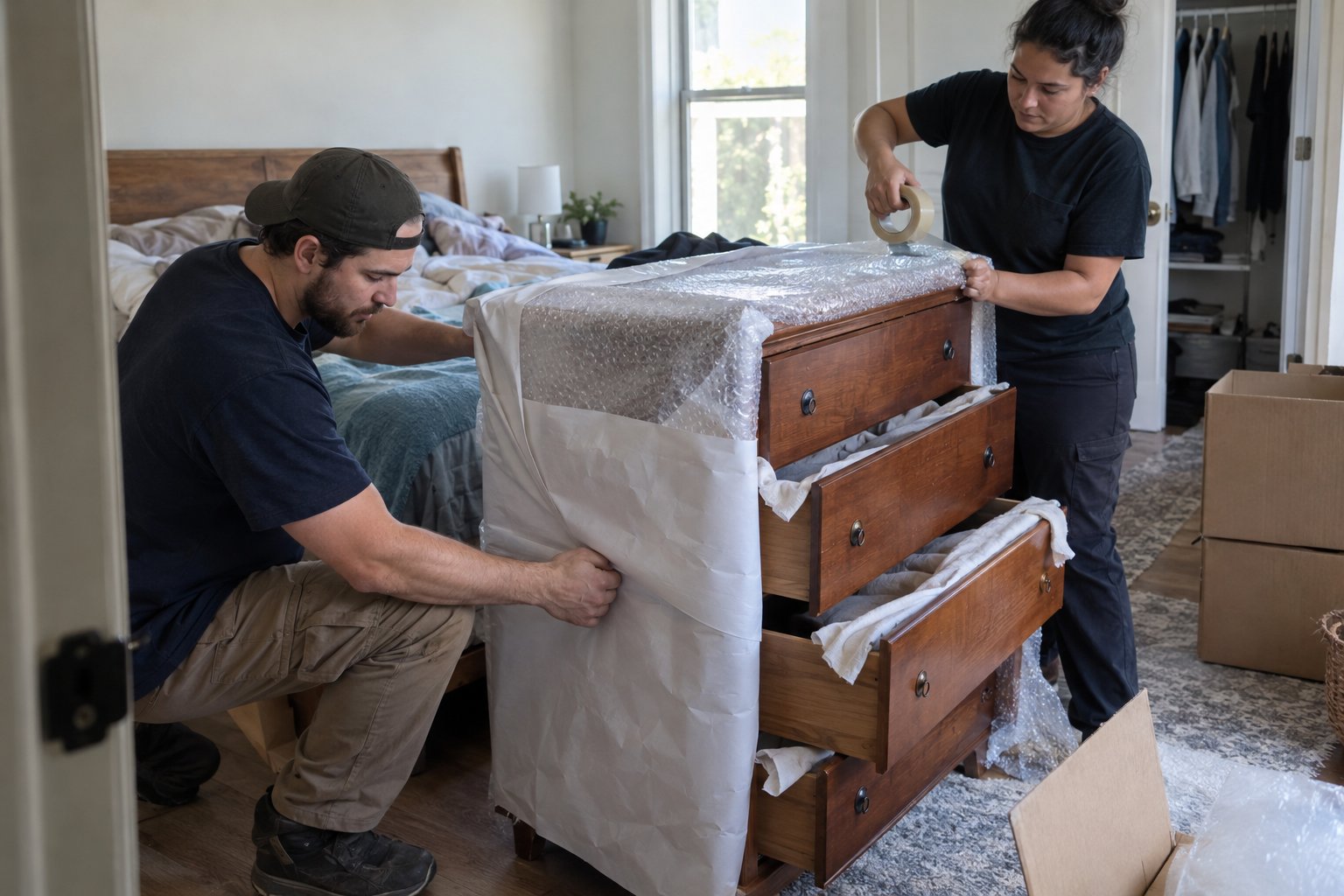
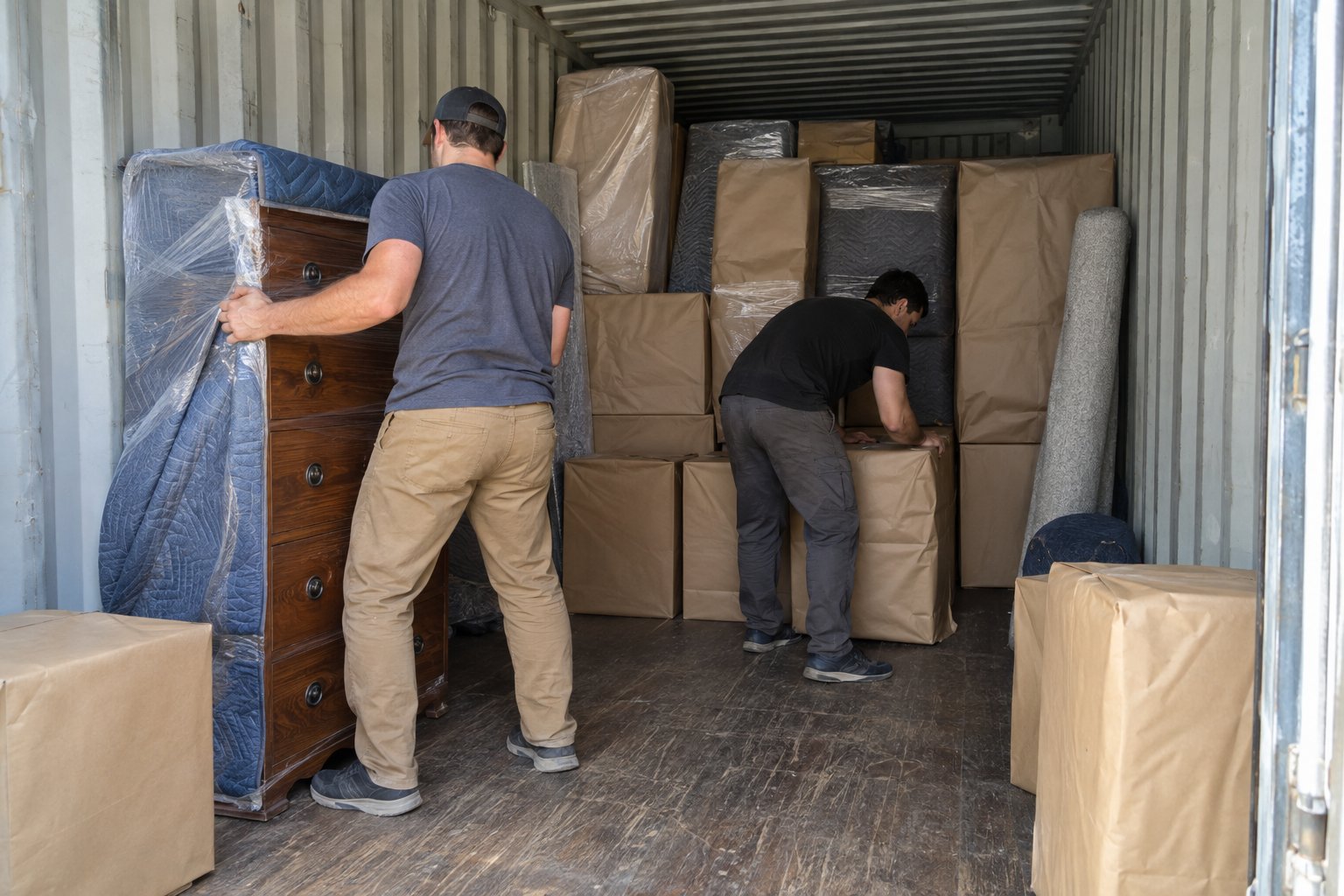
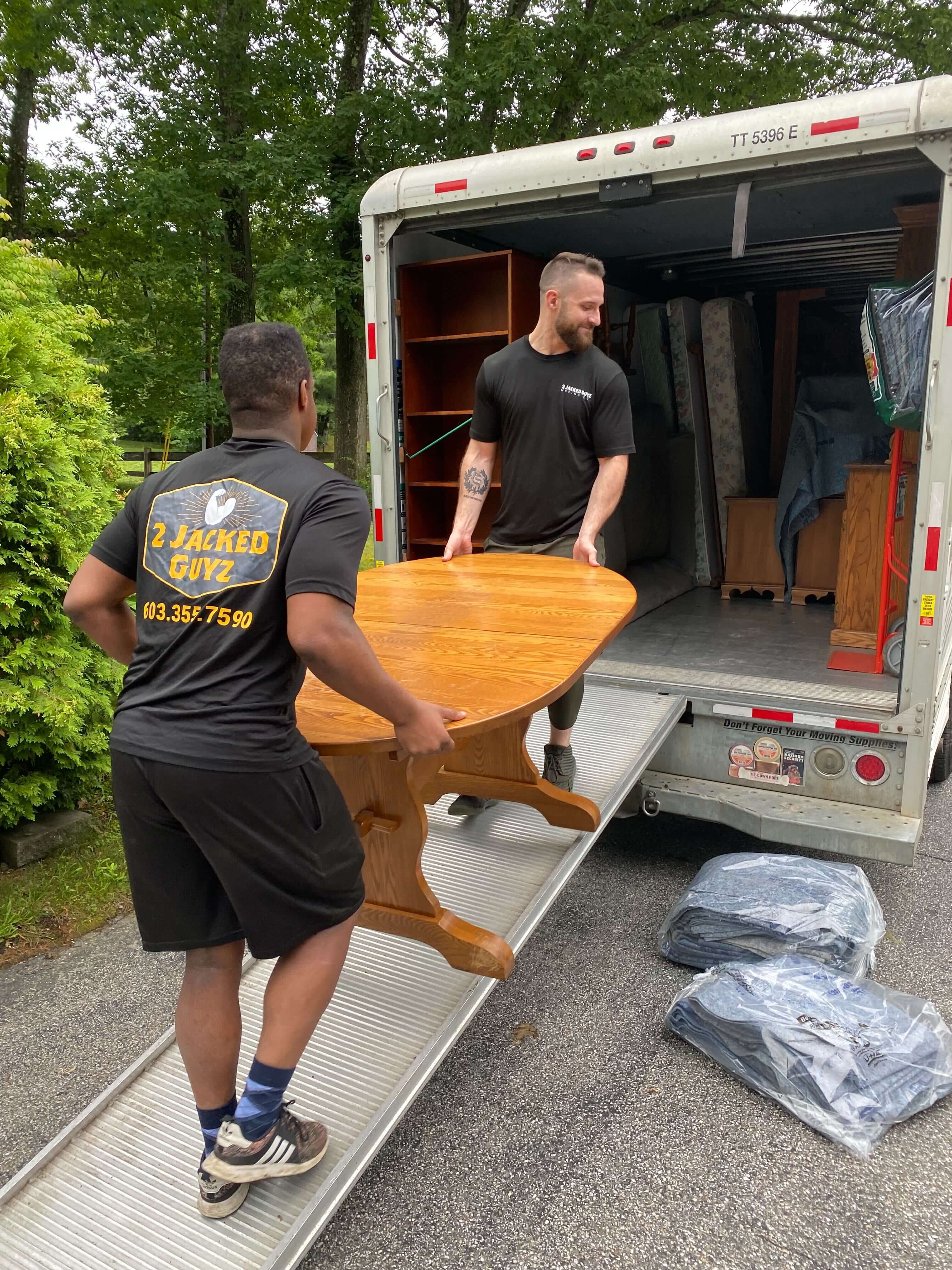
Freestanding closet organizers — the kind you buy as a unit and install yourself — are generally easier to move than built-ins. Most can be disassembled with a screwdriver or Allen key, broken down into flat panels, and wrapped for transport. Armoires and standalone wardrobe cabinets with doors and drawers should have their drawers removed, emptied, and packed separately; the cabinet itself wrapped in moving blankets and moved with a furniture dolly. Never try to move a fully loaded wardrobe or armoire — the weight and shifting center of gravity make it genuinely dangerous.
Not every closet in your home is a wardrobe. Linen closets, hallway closets, and utility closets each come with their own packing challenges, and it is worth treating each one individually rather than just grabbing everything and throwing it into boxes at the last minute.
Linen closets typically hold sheets, towels, blankets, and pillow cases — all of which double as excellent packing material for fragile items elsewhere in the house. Before you box up your linens, set aside the ones you want to use for padding and wrapping in other rooms. Towels are ideal for wrapping items that need cushioning, and flat sheets can be used to wrap furniture legs and protect upholstery. Once you have pulled what you need for padding, fold and box the remaining linens in large bags or boxes with clear labeling.
Hallway closets tend to be catch-all spaces — the place where vacuum cleaners, seasonal items, gift wrapping supplies, board games, and random household items accumulate. Treat this closet the same way you treated your master closet: declutter first, then sort by category, then pack each category together. Mixing unrelated items from a hallway closet into random boxes is how things get lost in a move.
Utility closets with cleaning supplies, mops, brooms, and household chemicals need extra attention. Many cleaning products are considered hazardous for transport and should not be packed in a moving truck. Check the label of any product before packing — aerosols, bleach-based cleaners, ammonia products, and anything with a flammable warning should be used up before the move, given away, or disposed of properly rather than transported. Brooms, mops, and lightweight tools can be bundled together with stretch wrap and moved as a group.
Label every closet box clearly on at least two sides — the top and one face — with the room destination and a brief contents note. "Master closet — hanging clothes" is more useful than "clothes." "Kids' closet — shoes + accessories" tells the movers exactly where it goes and what is inside. The few extra seconds spent labeling each box saves significant time when you are unloading and trying to get organized on the other side.
As you pack, set aside one bag or box of first-night essentials from your closet: one complete outfit per person for the next day, whatever toiletries you need immediately, and any medications stored in the closet. This bag goes in the car or the cab of the moving truck — not in the back with everything else — so it is available the moment you arrive regardless of how the unloading goes.
When it comes to loading the truck, wardrobe boxes should be loaded last and positioned upright against a wall of the truck, not laid on their sides. Shoe boxes stack well and can fill gaps between larger items. Flat-packed closet system panels should be loaded vertically and leaned against the truck wall rather than laid flat on the floor where they can flex and crack under weight.
If any of this feels like more than you want to manage on your own, the team at 2 Jacked Guyz handles every part of the process — from packing your closets carefully and efficiently to loading, transporting, and setting up at your new home. Moving a closet well is not complicated, but it does take time, the right materials, and a system. With the right approach, you will arrive at the new place with everything intact, organized, and ready to put away.
Request a personalized quote and see how careful planning and reliable service make every move smoother. Our team prepares each step to handle challenges safely and efficiently.
The best method is to use wardrobe boxes, which have a built-in hanging bar so your clothes transfer directly from the closet rod to the box and arrive ready to rehang. For casual, less wrinkle-sensitive items, the garbage bag trick works well — gather garments on their hangers, slip a large bag up from the bottom over the clothes, and tie it loosely around the hooks to keep everything grouped and protected.
It depends on whether the system is staying or going. Built-ins are often considered a home fixture and expected to remain for the next occupant — confirm this with your agent or landlord first. If the system is coming with you, photograph it thoroughly before disassembly, keep all hardware in labeled bags, and wrap finished panels in moving blankets to protect them during transit.
The original shoeboxes are the ideal container since they protect shape and stack neatly. Without original boxes, wrap each shoe individually in packing paper, stuff the toe lightly to maintain shape, and pack pairs together. Keep heavy boots and casual shoes separate from delicate dress shoes and heels to avoid pressure damage.
Many common cleaning products are considered hazardous for transport and should not go in a moving truck. Aerosols, bleach-based cleaners, ammonia products, and anything labeled flammable should be used up before moving day, given away to a neighbor, or disposed of properly at a household hazardous waste facility. When in doubt, check the product label — if it carries a hazard warning, do not pack it.
Set aside one complete outfit per person for the following day, any toiletries normally stored in the closet, and any medications kept there. Pack these into a separate bag that rides in your car or the moving truck cab rather than in the back with everything else, so you have immediate access when you arrive at your new home regardless of how long unloading takes.
No long forms, no delays. Just a move that’s ready when you are. Secure your moving date today.