

Wondering how a moving day actually unfolds? Here's a realistic hour-by-hour timeline so you know what to expect and when to hand things off to your crew.
A typical moving day timeline runs anywhere from six to ten hours for a three or four bedroom home, broken into three phases: loading, transit, and unloading. The exact pace depends on how much you own, how far you are going, and whether your new place is ready the moment the truck pulls up. Knowing the shape of the day ahead of time keeps you from panicking when the truck is still being loaded at noon.
Most people who have never used professional movers imagine moving day as one long blur. In practice it has a predictable rhythm, and once you have seen it once, you can plan around it instead of just surviving it. Below is a realistic breakdown of what happens when, along with the moments where things most often run long.
Most local moves start between 8 and 9 a.m., giving the crew a full day to load, drive, and unload before dark. Long distance moves sometimes start earlier, especially if the truck has another pickup or drop-off scheduled the same week.
Arrival windows are usually given as a two-hour range rather than an exact time, since traffic and the previous job on the crew's schedule can shift things. If you booked through a residential moving company, ask for a firm window the week of your move, not just the week you booked. A crew that shows up late has a domino effect on everything after it, including your ability to get keys and access at the new address on schedule.
The first 30 to 45 minutes are rarely about lifting anything. The crew lead walks the home, confirms what is going and what is staying, and figures out the loading order based on what needs to come off the truck first at the other end.
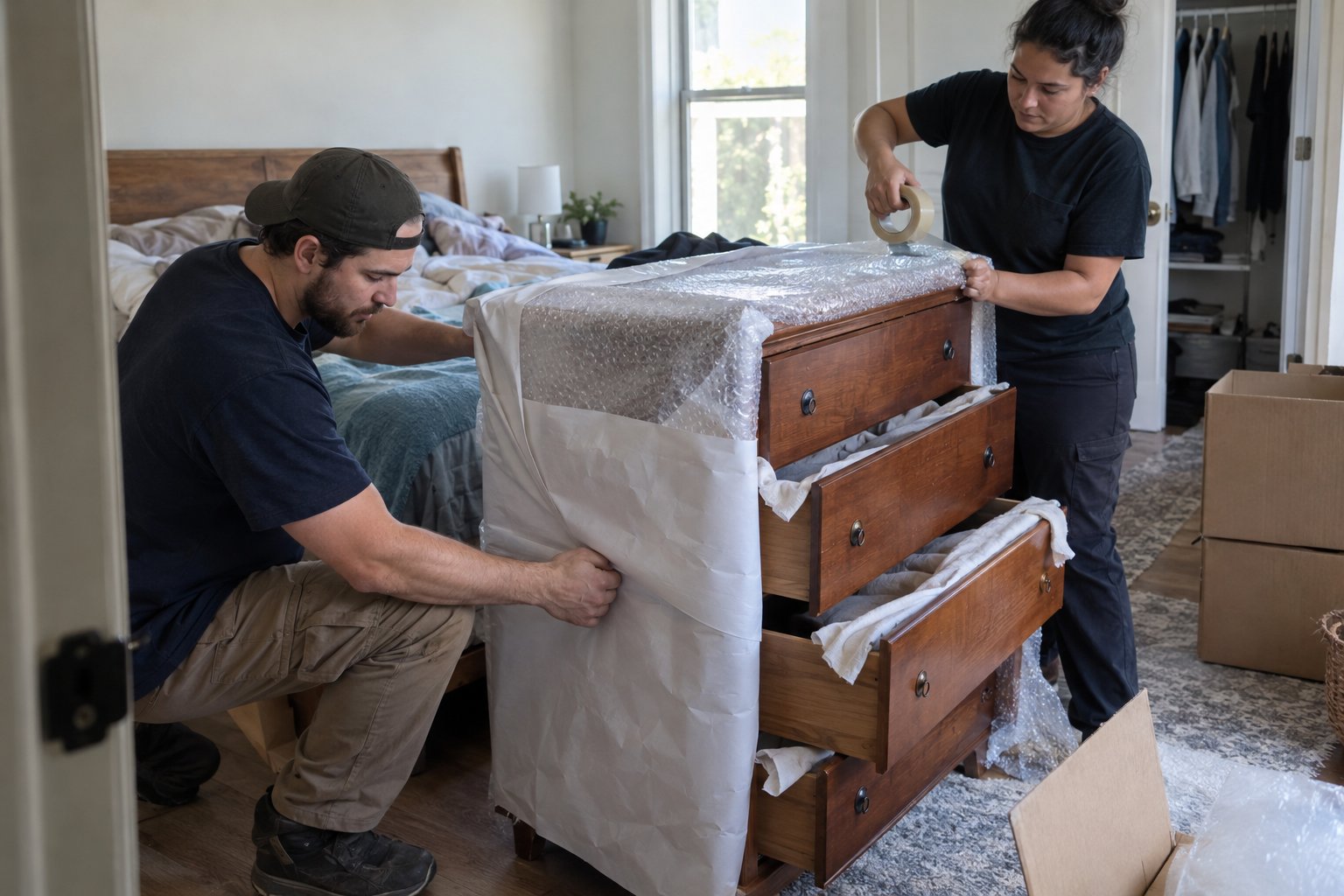
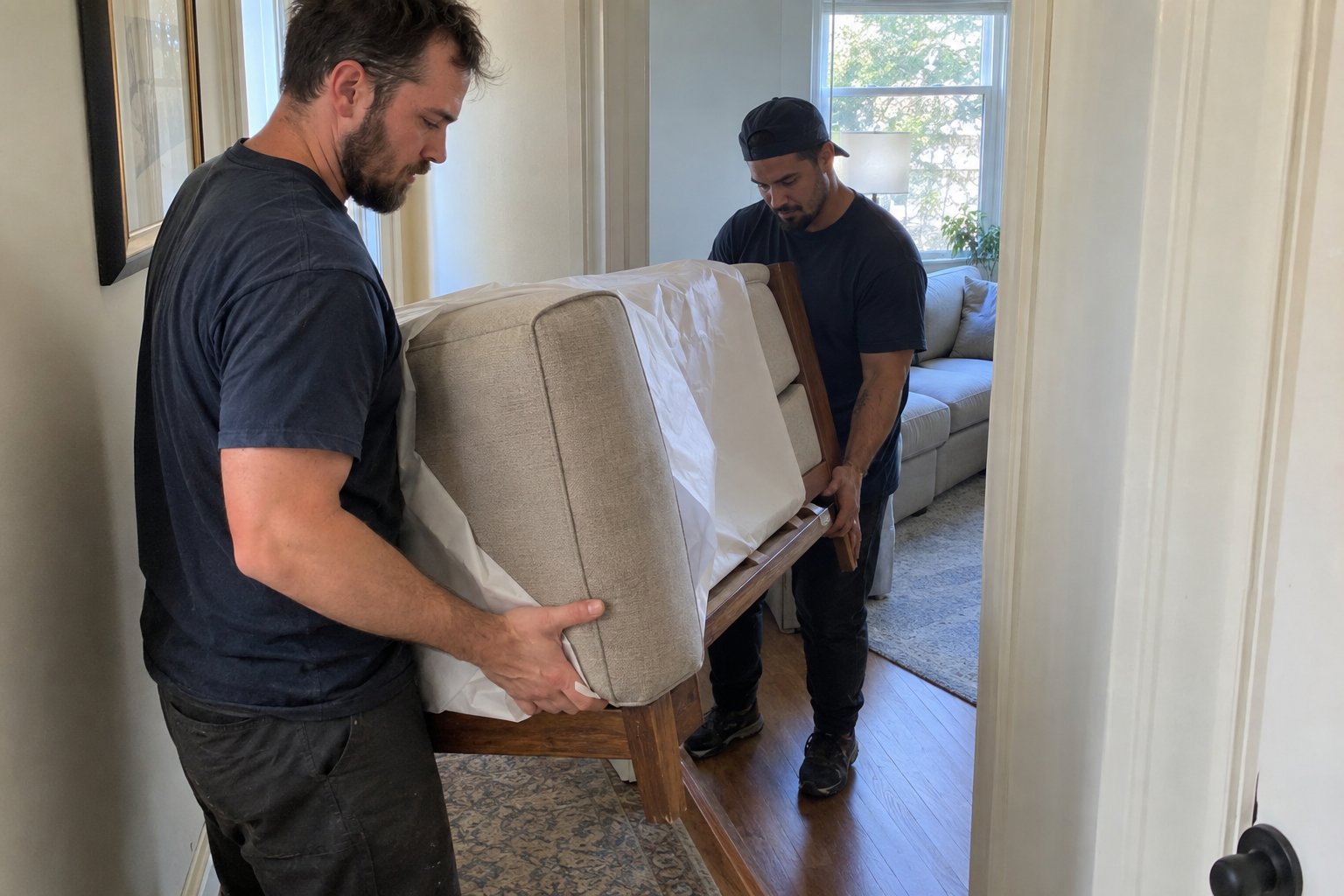
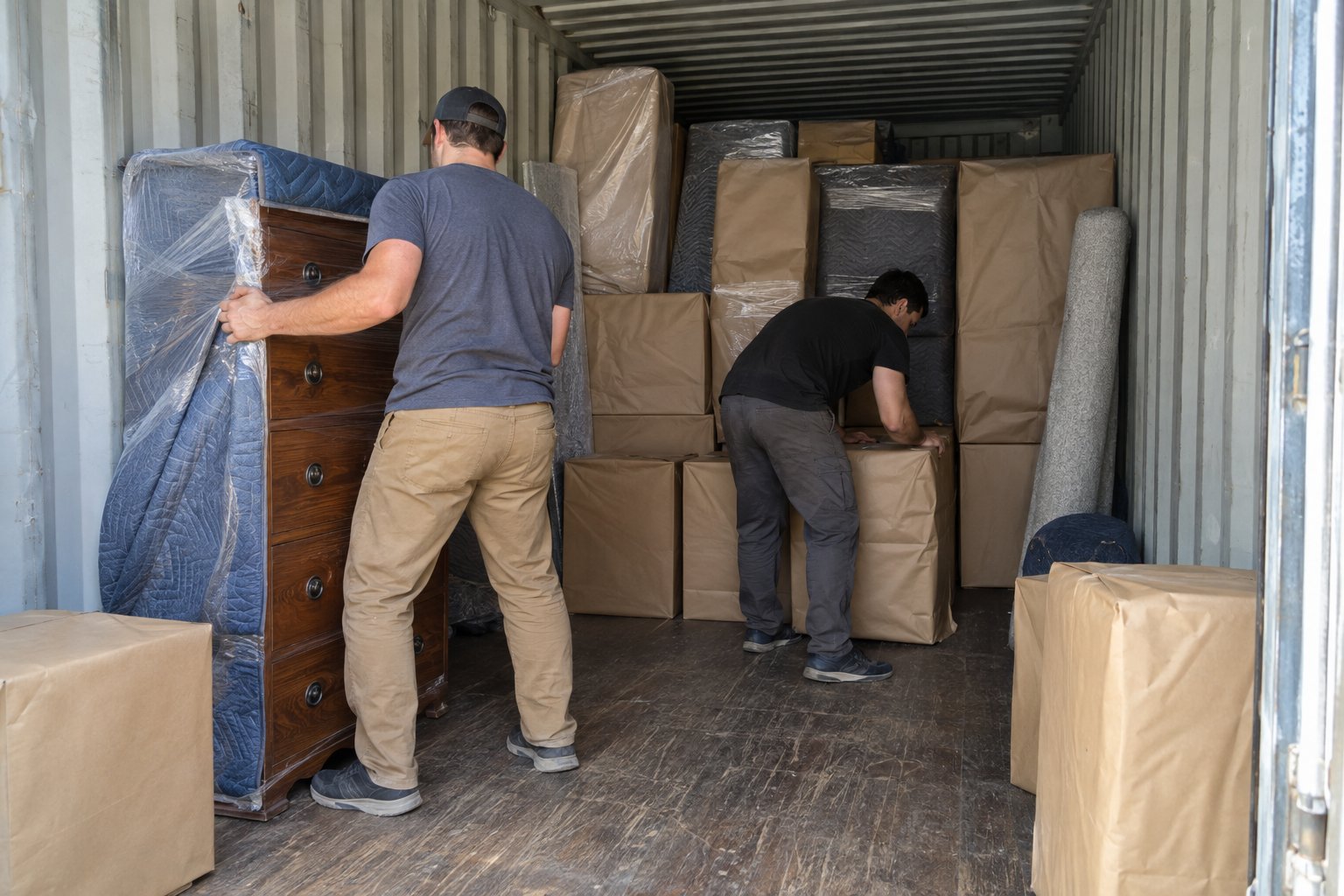
Heavy furniture and boxes marked for storage typically go in first, since they will sit at the front of the truck and come off last. Anything you need immediately, like a bed frame or kitchen essentials box, gets loaded last so it comes off first. This is also when the crew protects doorways, stair rails, and flooring with pads and runners, particularly if there is a risk of scraping a wall the way you would when trying to move large furniture without scratching floors or walls.
If it looks like nothing is happening for the first 45 minutes, that is normal. A rushed loading strategy costs more time later in the form of re-stacking or damage, so an experienced crew invests the time upfront.
Loading a full three or four bedroom home generally takes three to four hours with a two to four person crew. Studio and one bedroom moves can wrap in 90 minutes to two hours; five bedroom homes or homes with a garage full of gear can push past five hours.
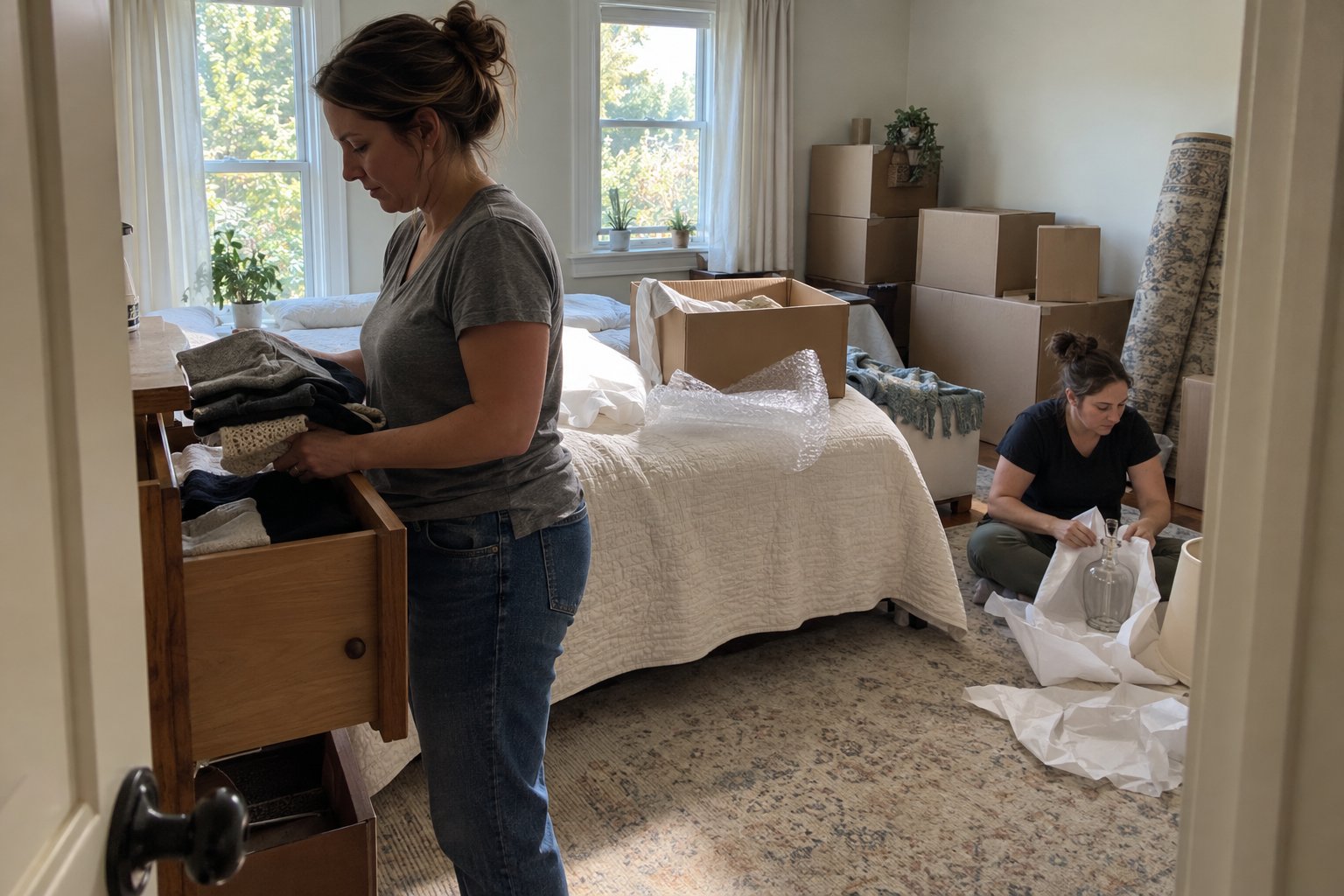
This is where most of the day's physical labor happens, and it is also where surprises show up: furniture that will not fit through a doorway at the expected angle, a mattress that needs an extra wrap, or boxes that were packed heavier than labeled. A well-organized packing services job done in the days before moving day cuts this phase down significantly, since the crew is loading sealed, labeled boxes instead of stopping to wrap loose items on the spot.
Local moves within the same town or a neighboring one usually add 30 minutes to an hour of drive time, including parking and permit logistics at the new address. Long distance moves are a different calculation entirely, often spanning one to several days depending on mileage.
For moves across state lines or several hundred miles, the truck may not arrive the same day it was loaded. If you are relocating out of the immediate Keene, Nashua, Concord, or Manchester area, ask your long distance moving provider for a specific delivery window, since long haul routes are affected by driver hour limits and other scheduled stops in a way a same-day local move is not.
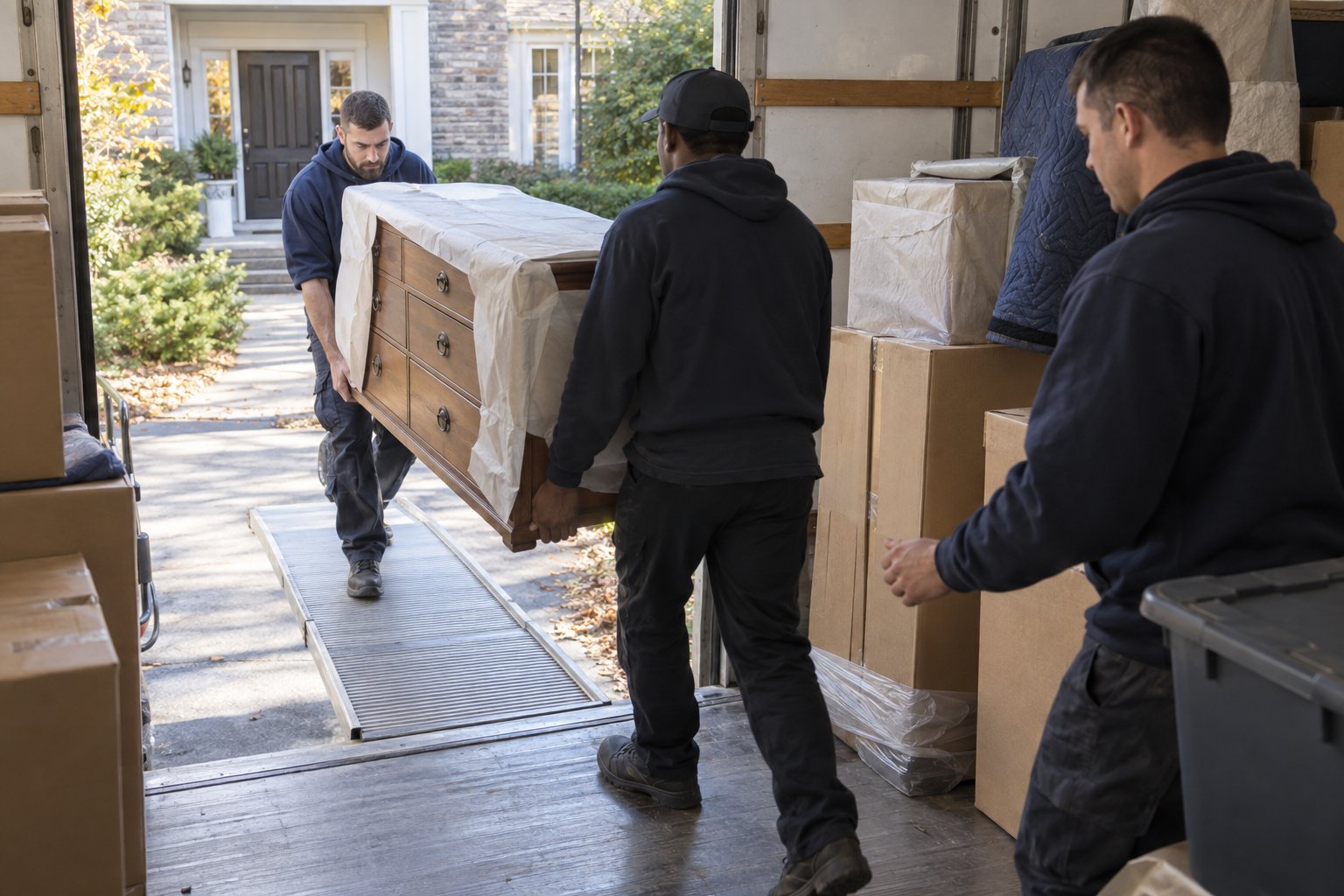
Unloading typically takes about two-thirds the time of loading, since the crew already knows the inventory and just needs to place items in the correct rooms. A home that took four hours to load might take closer to two and a half to three hours to unload.
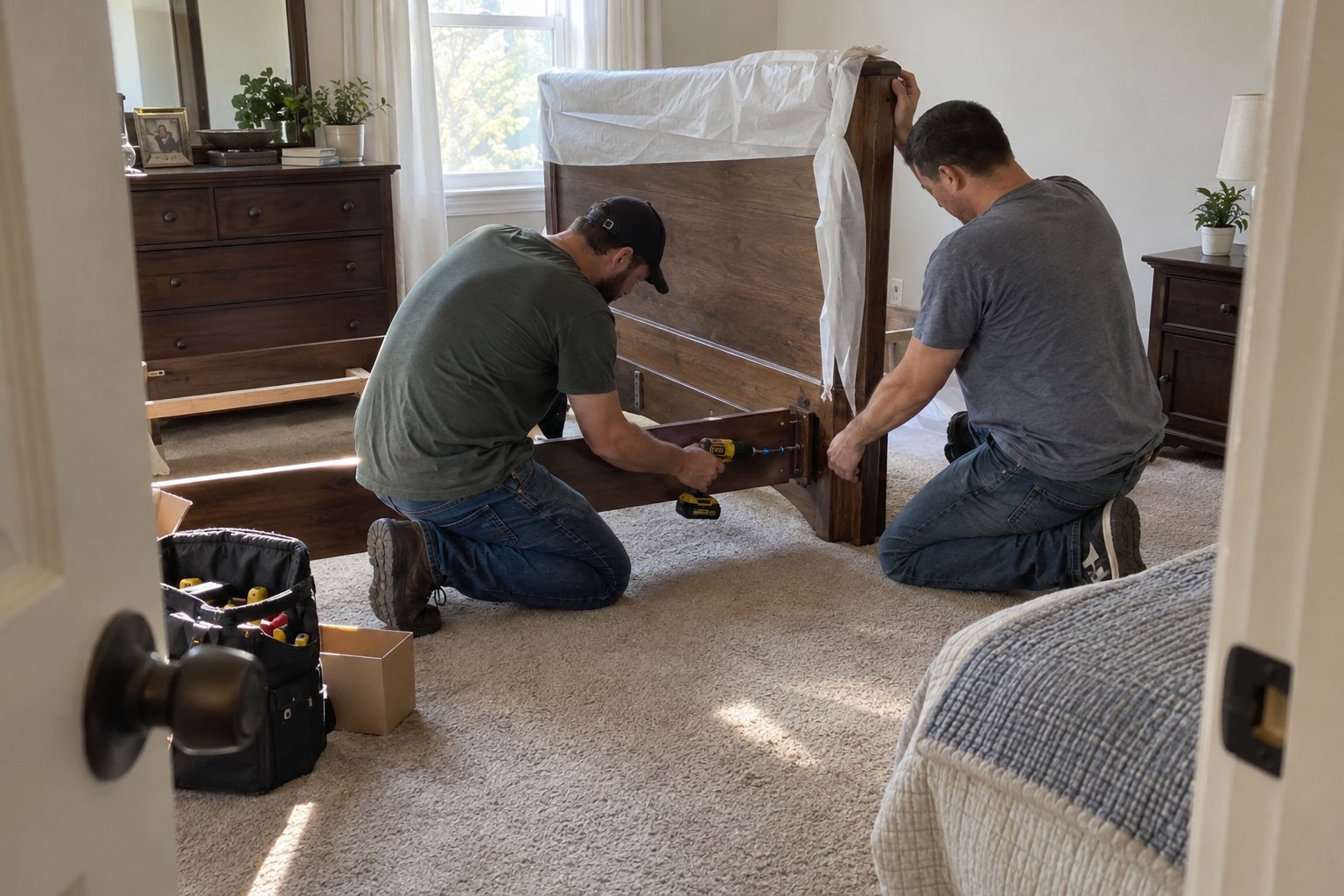
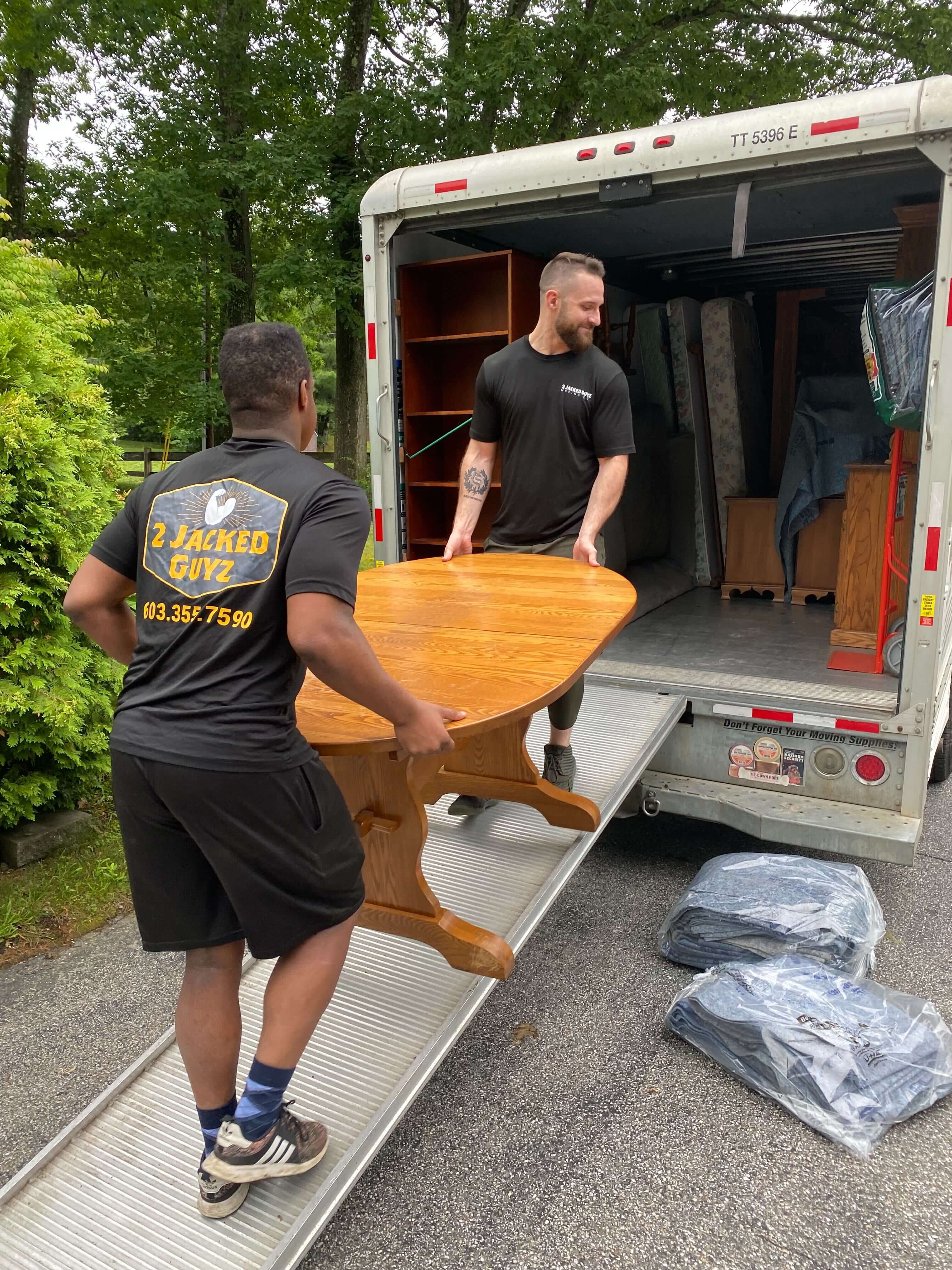
This is the point where labeling pays off. Boxes marked by room get carried directly where they belong instead of being set down in a hallway to sort later. If large furniture needs to go through tight spaces again, the same floor and wall protection from the loading phase gets reused. Expect the crew to reassemble any furniture they disassembled, set up beds, and do a final walkthrough with you before they leave.
The biggest timeline killer is decisions being made on the spot instead of before the truck arrives. Confirm your inventory, finish packing, and clear pathways the night before so the crew can move at full speed from the first hour.
If your schedule is especially tight, a moving quote conversation ahead of time lets the company plan crew size and truck count around your specific timeline instead of guessing on the day.
Request a personalized quote and see how careful planning and reliable service make every move smoother. Our team prepares each step to handle challenges safely and efficiently.
Most local moves take six to eight hours total, including loading, a short drive, and unloading. A studio or one bedroom apartment can finish in half that time, while larger homes with more furniture can run closer to ten hours.
No, most moving companies give a two-hour arrival window rather than an exact time, since the previous job on the crew's schedule can run long. Ask for a firm window the week of your move for the most accurate estimate.
Finish packing everything except your essentials box the night before, clear walkways and stairwells, and disassemble any furniture you were asked to handle yourself. Having everything ready to load keeps the first hour from turning into disassembly and last-minute packing.
Yes, unloading is usually about two-thirds the time of loading because the crew already knows what is on the truck and where it needs to go. Clear room labels on boxes make this phase move even faster.
Rain, snow, or extreme heat can add time for extra tarping, slower footing on stairs, and more careful handling of floors and furniture. If weather is in the forecast, build in an extra hour of buffer when planning your day.
No long forms, no delays. Just a move that’s ready when you are. Secure your moving date today.