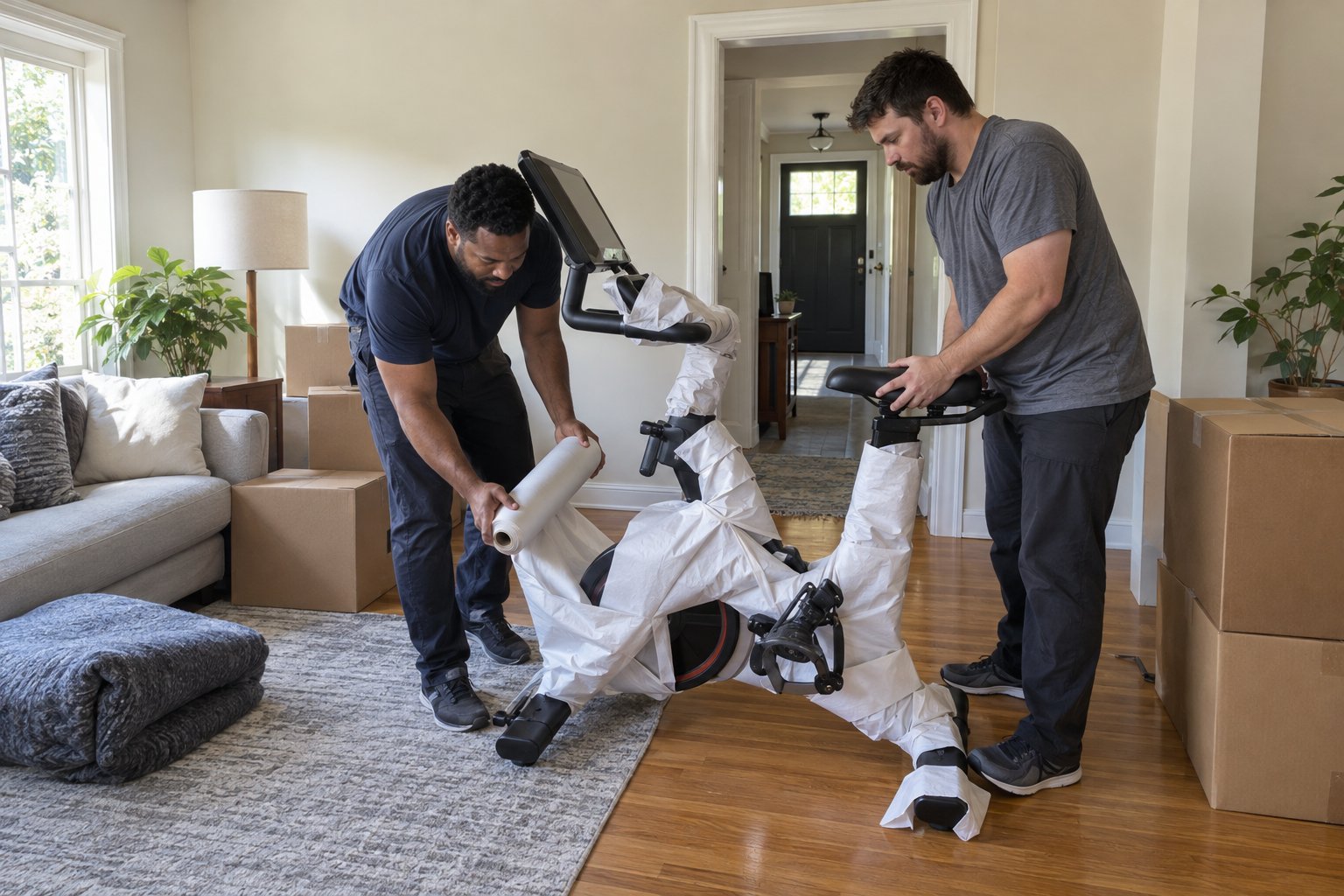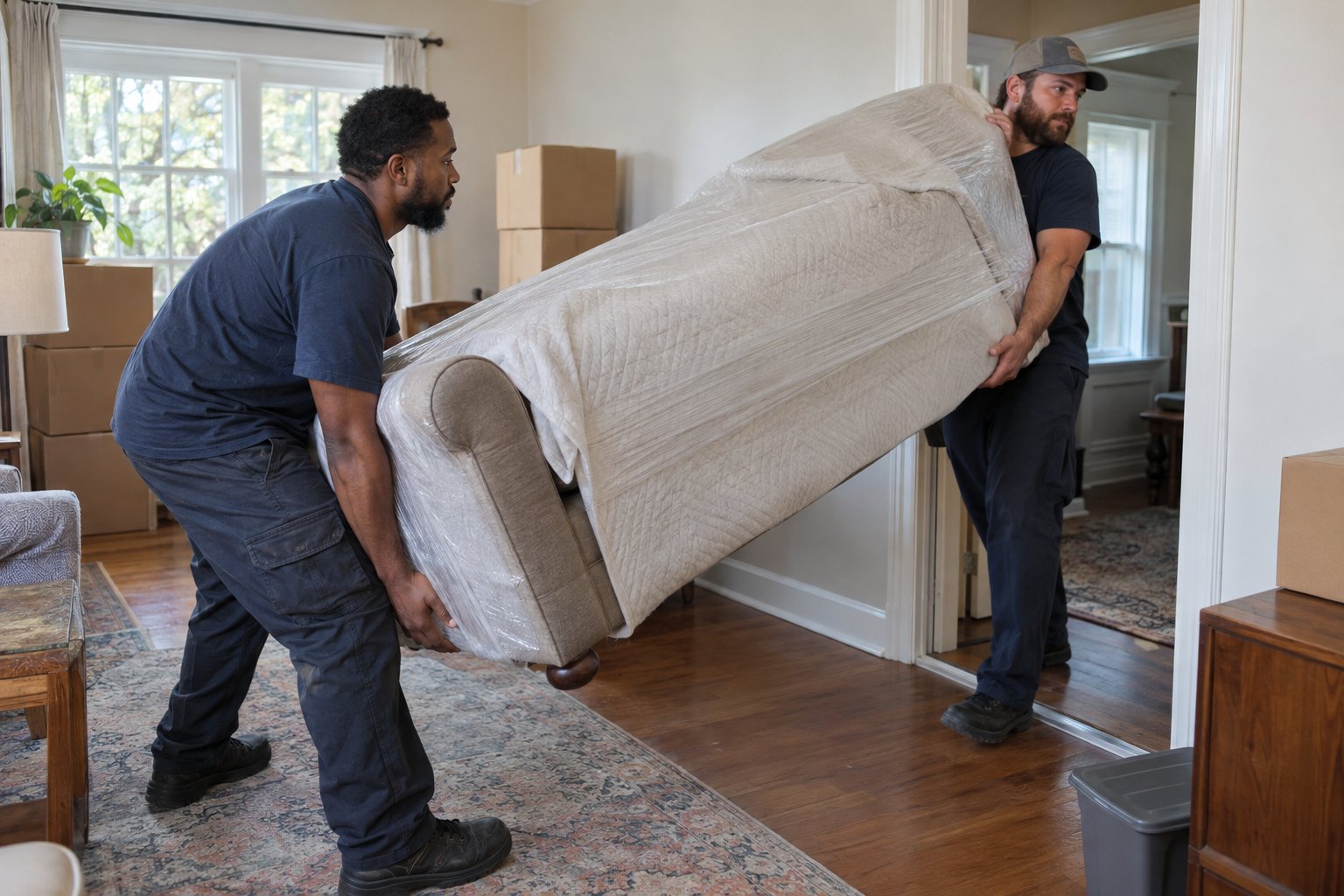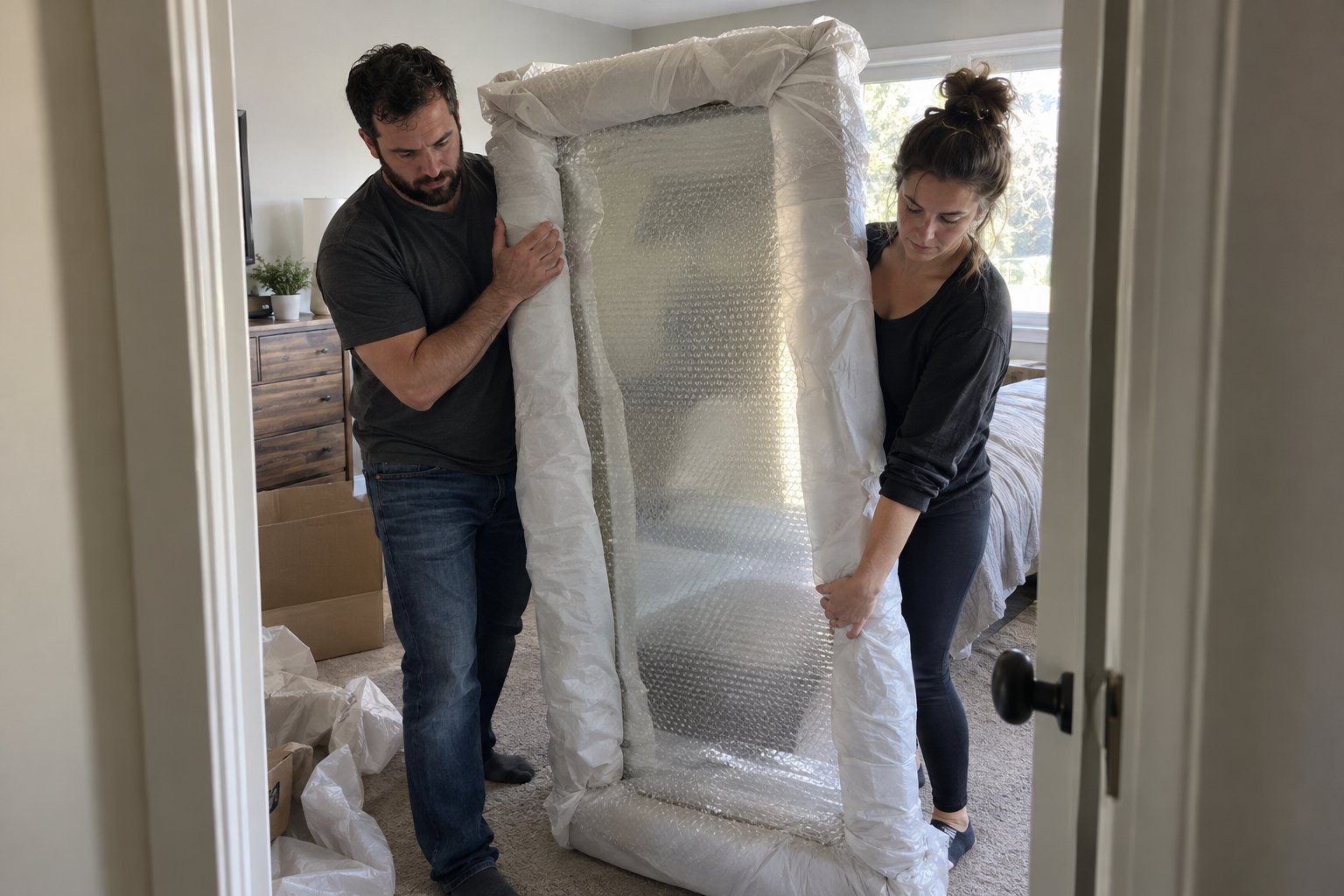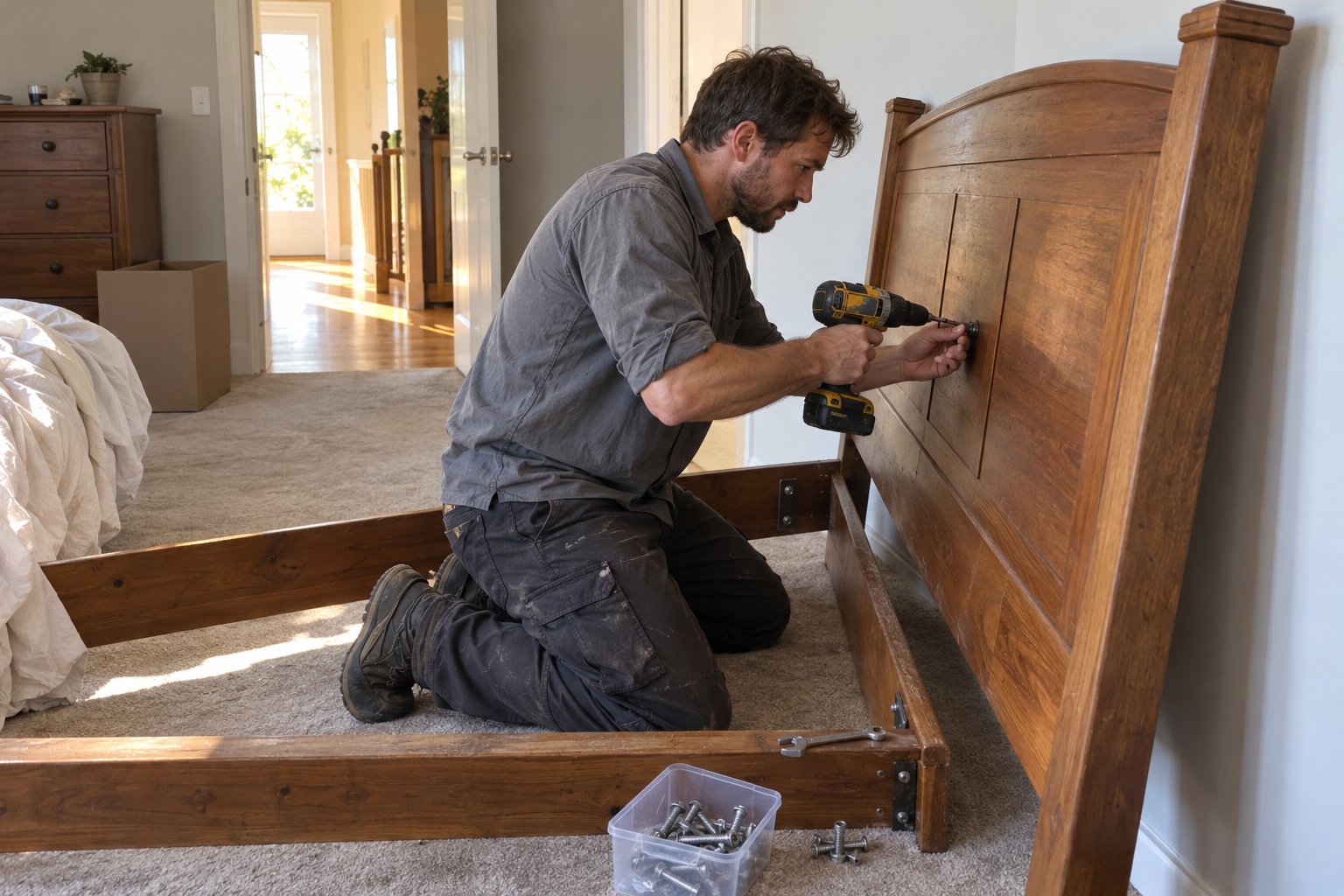

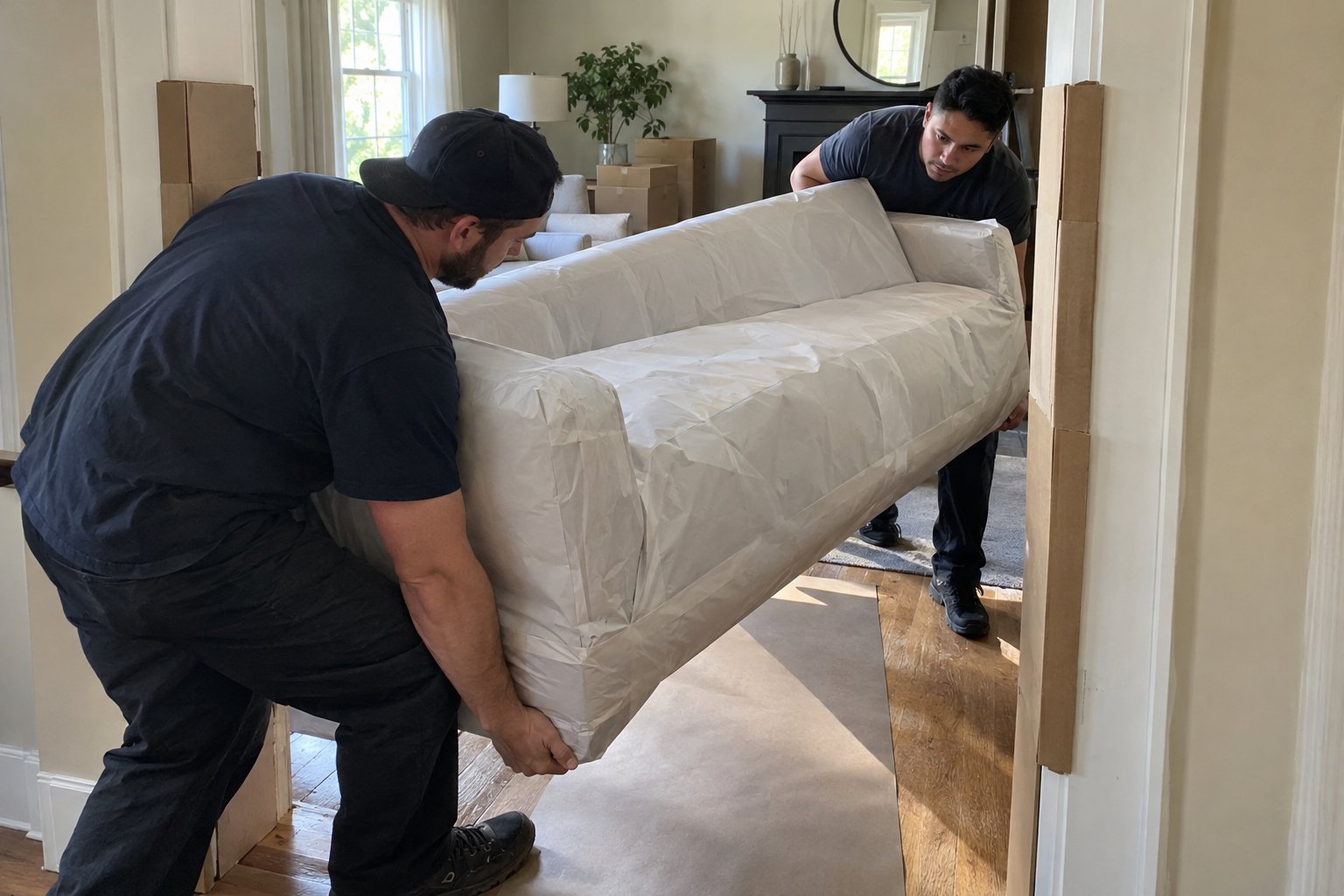
A room-by-room checklist for protecting floors, walls, and doorways on moving day, plus what to prep a day ahead and a rule of thumb for timing it right.
A moving day checklist for protecting your home comes down to three zones: the floors your furniture slides across, the walls and corners it brushes past, and the doorways everything has to fit through. Covering all three before the truck pulls up prevents the scuffs, gouges, and dents that show up only after the last box is unloaded and the stress has worn off. This is less about buying gear and more about doing a short walkthrough and setting a few things in place before anyone starts carrying anything.
Below is a practical checklist organized by zone, what to do the morning of the move, and a rule of thumb for how much time to set aside for protecting the house itself, separate from the time it takes to pack and load.
Before anyone starts carrying furniture, walk the path from the front door to every room being emptied and flag anything that could get scraped, dented, or scuffed along the way. This includes floors, stairwells, door frames, banisters, and any furniture staying behind. A ten-minute walkthrough the night before or the morning of saves a lot of frustration later.
Floor protection means covering the exact path furniture and boxes will travel, not the whole house. Focus on entryways, hallways, and the route from each room to the truck.
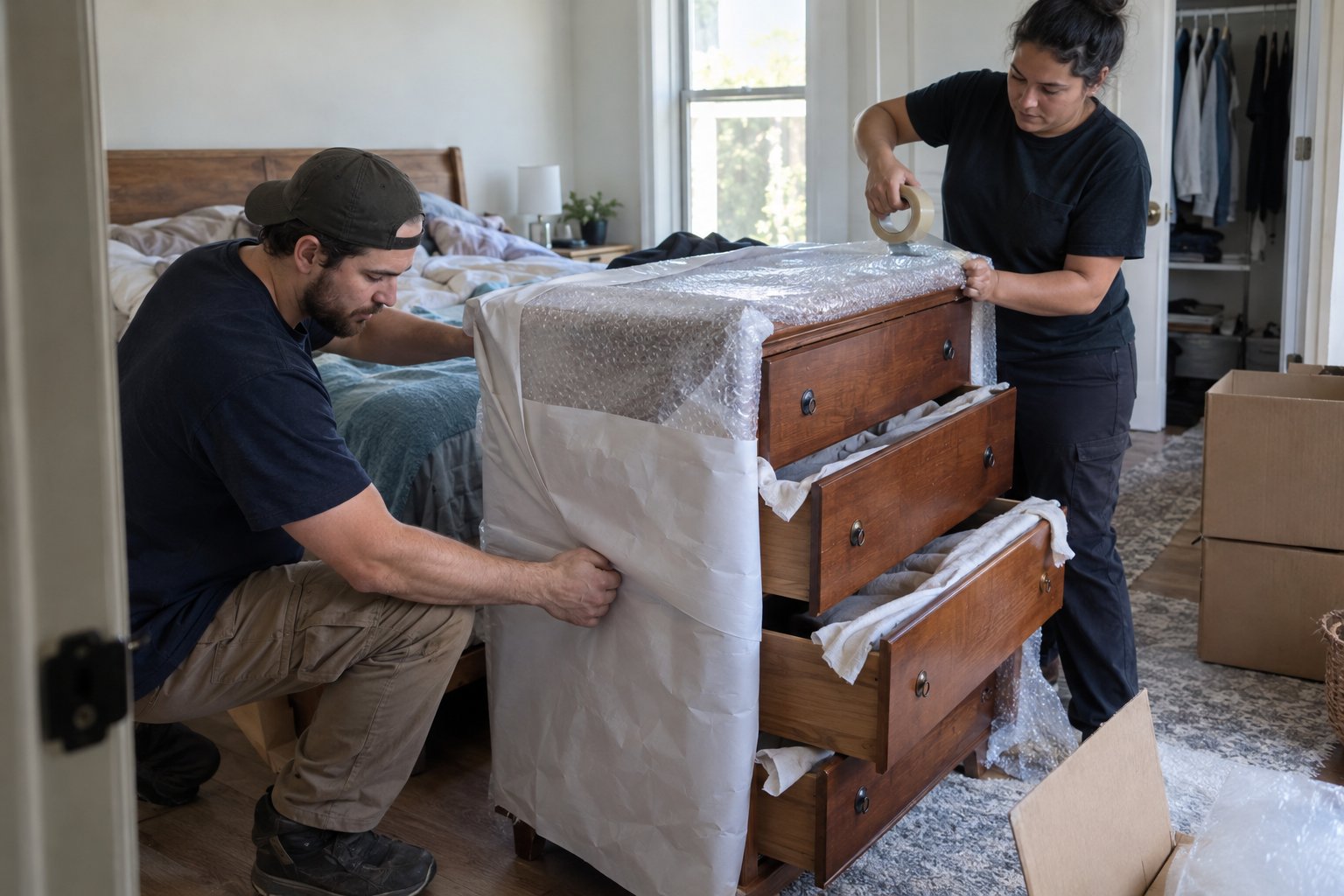
Walls and doorways need padding at the specific points where furniture is likely to make contact, mainly corners, stairwell turns, and narrow frames. A few strategically placed pads do more good than wrapping every wall in the house.
Most damage happens because protection was improvised in the moment instead of set up in advance. Once a crew or a group of friends is moving quickly, nobody wants to stop and go find a roll of tape or a spare blanket. Setting everything up ahead of time means the protective materials are already where they need to be when the first piece of furniture comes through.
This matters just as much if you're doing the move yourself as if you've hired help. If you're working with professional movers, walk them through any floors or walls you're especially concerned about before they start; most crews bring their own pads and floor runners, but pointing out a freshly refinished floor or a narrow stairwell turn in advance means they can plan the route instead of discovering it mid-carry.
On the morning of the move, the goal is to have every protective measure already in place before the first box leaves the house. Walk the path one more time with fresh eyes, since furniture gets rearranged in the days leading up to the move and a path that was clear last week might not be clear today.
As a rule of thumb, plan for roughly half a day to prep and protect a typical house before furniture starts moving, longer if you have hardwood throughout or several tight stairwell turns. That's separate from the time spent packing or loading itself.
If you're selling the home or handing it back to a landlord, the walls and floors you're protecting matter just as much after the move as during it. Anchor any furniture staying behind so it can't tip during the chaos of moving day; the CPSC's Anchor It program has straightforward guidance on securing furniture and TVs against tip-overs, which is worth a look even outside of moving day.
It's also worth taking a few photos of walls, floors, and door frames before the move starts. If you're renting, this gives you a clear record of the home's condition going in, which can matter later for a security deposit walkthrough.
A home protection checklist is only useful if it gets followed in the order that matches how the day actually unfolds: walkthrough first, materials down second, furniture moving third. Skipping ahead to save a few minutes is usually what leads to a scratch that takes much longer than a few minutes to fix. If you'd rather hand the carrying, wrapping, and floor protection to a crew that does this daily, our residential moving team brings its own pads and floor coverings as part of a full-service move, and our packing services can take the box-packing side off your plate entirely so your focus on moving day is just the walkthrough and the route.
Planning your move? Request a quote from 2 Jacked Guyz.
Request a personalized quote and see how careful planning and reliable service make every move smoother. Our team prepares each step to handle challenges safely and efficiently.
It still helps to point out any floors you're especially concerned about, like freshly refinished hardwood or light carpet near the entry. Most crews bring floor runners and furniture pads, but flagging specific areas ahead of time lets them plan the route rather than adjusting mid-carry.
Lay down floor coverings and wall padding the morning of the move, after any last-minute furniture rearranging is done. Doing it the night before works too, as long as nothing gets moved across the covered path afterward.
Measure the doorway and the furniture's dimensions ahead of time rather than discovering the mismatch mid-carry. If it's close, removing the door from its hinges often creates enough clearance to avoid forcing the piece through at an angle.
Yes, especially if you're renting or selling. Photos of floors, walls, and door frames before anything is moved give you a clear record of the home's condition, which is useful if a dispute comes up later.
Walk the exact path furniture will travel, from each room to the truck, and note every corner, stairwell turn, and doorway it will pass through. That walkthrough determines where floor coverings and wall padding actually need to go.
No long forms, no delays. Just a move that’s ready when you are. Secure your moving date today.