

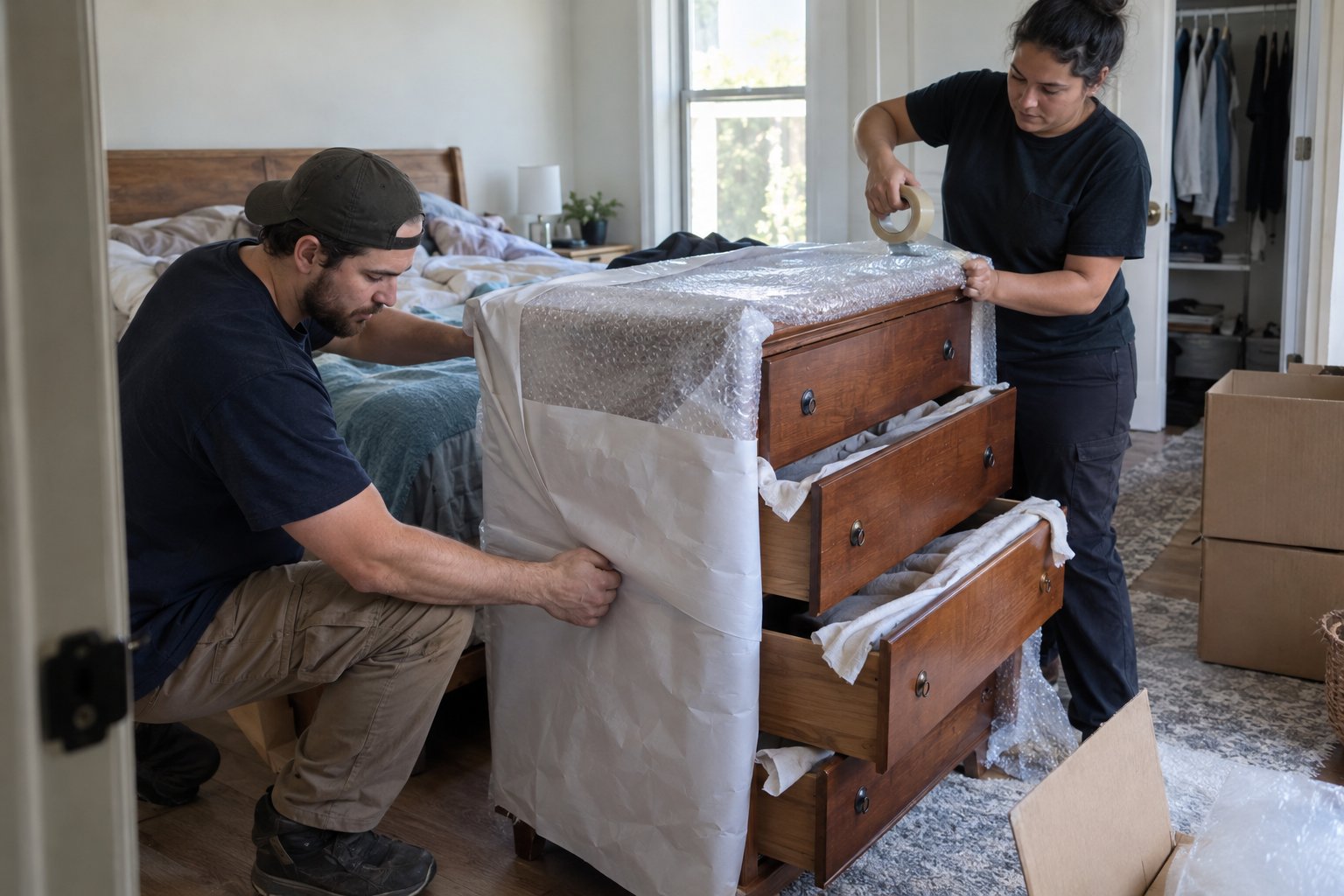
Learn how to ship a dresser without warping drawers, cracking veneer, or scratching the frame. A step-by-step prep and shipping guide from 2 Jacked Guyz.
Shipping a dresser safely comes down to three things: emptying and securing the drawers, protecting the exterior finish from pressure and moisture, and choosing a shipping method that matches how far the piece is traveling. Dressers are awkward to ship because they are heavy, top-heavy once drawers shift, and often finished with veneer or lacquer that scratches or cracks under uneven pressure. Get the prep right and the piece arrives the way it left.
This guide is written for anyone shipping a dresser on its own, whether that is to a family member, a storage facility, or a destination ahead of a full household move, rather than loading it alongside the rest of a home's furniture.
The short answer: remove or secure every drawer, wrap the frame in padding before adding a rigid outer layer, and brace the piece so it cannot shift or tip during transit. Most damage happens not from one big impact but from small, repeated movement over hundreds of miles, so the goal of prep is to eliminate every inch of play inside the packaging.
Start by deciding whether drawers travel inside the dresser or separately. Lightweight dressers can often ship with drawers removed and packed as their own units; heavier case pieces sometimes need drawers left in place but locked down so they cannot slide open mid-transit.
If drawers are removable, take them out, empty them completely, and wrap each one individually. This drops the overall weight of the case, which matters both for your back and for how much stress the joints take on the road. If drawers are not meant to come out, or removing them risks damaging the glide hardware, secure them shut with painter's tape across the face and a strip of tape or a stretch wrap pass around the entire body to keep them from vibrating open.
Finished surfaces need a soft layer before anything rigid touches them. Furniture blankets or moving pads wrapped around the whole piece prevent the scuffing that happens when cardboard or wood rubs directly against a polished or veneered surface. Pay particular attention to corners and edges, where veneer is thinnest and most likely to chip.
For most dressers, the best packing method layers soft padding directly against the finish, a layer of stretch wrap to hold that padding in place, and a rigid outer layer (a shipping crate, heavy corrugated box, or furniture carton) to absorb impact. Each layer does a different job, and skipping one usually shows up as a dent, scratch, or loose joint at delivery.
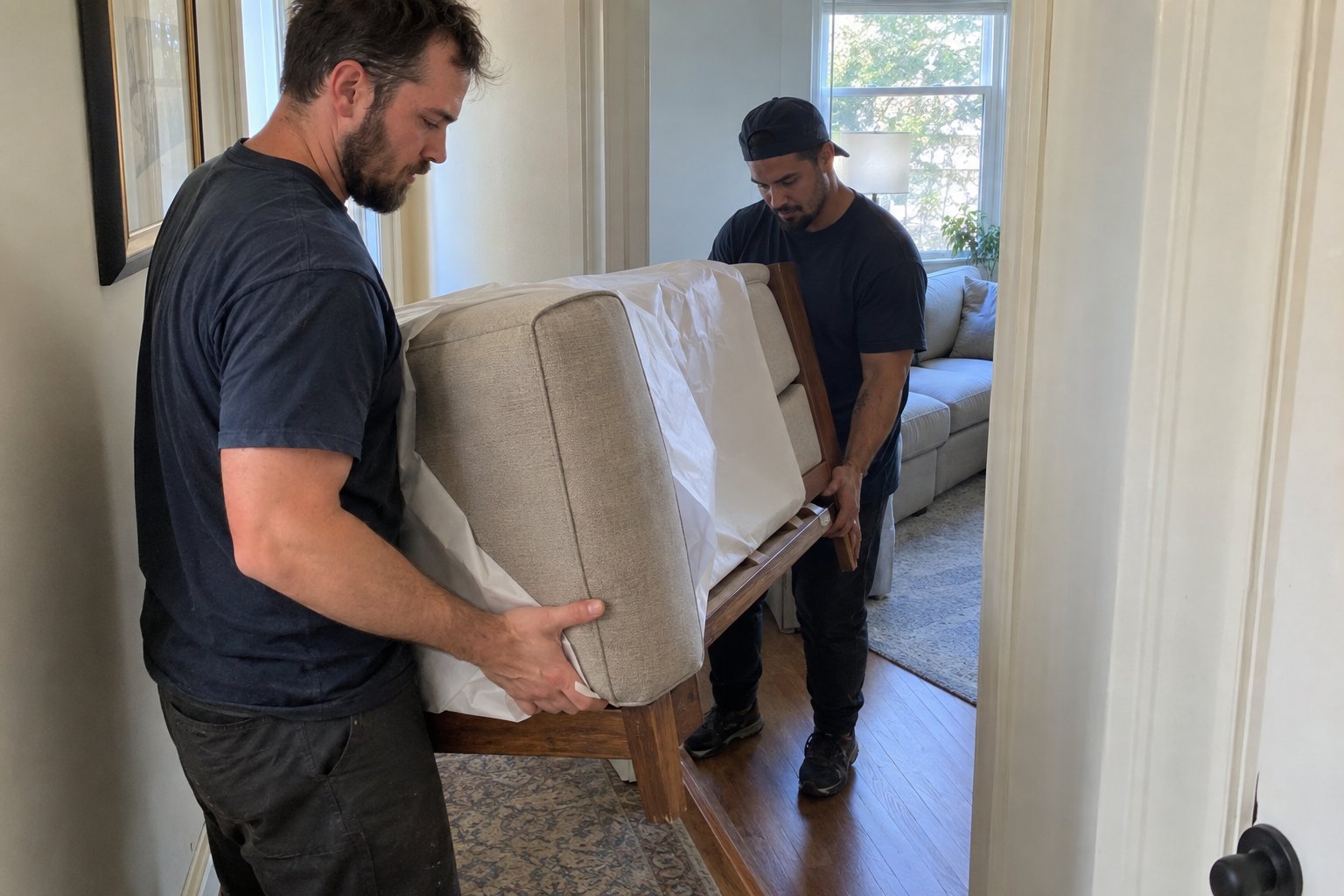
Furniture blankets or quilted moving pads go on first. Wrap the entire case, including the top and legs if the dresser has exposed legs, and tuck or tape the padding so it cannot slip during loading.
Plastic stretch wrap goes over the padding to hold everything snug without taping directly to any wood surface (tape adhesive can pull finish off on contact, especially in warm weather). This layer also keeps drawers that are secured in place from working loose over a long trip.
A dresser shipping crate or heavy-duty furniture carton is the safest outer layer for long distance shipping, since it protects against crushing if anything is stacked nearby. If a custom crate isn't practical, corner protectors plus a furniture carton sized to the piece is a reasonable substitute for shorter trips. Specialty crating is typically arranged through a freight carrier or a furniture shipping specialist rather than a general moving crew, so confirm what any provider you hire actually offers before you count on it.
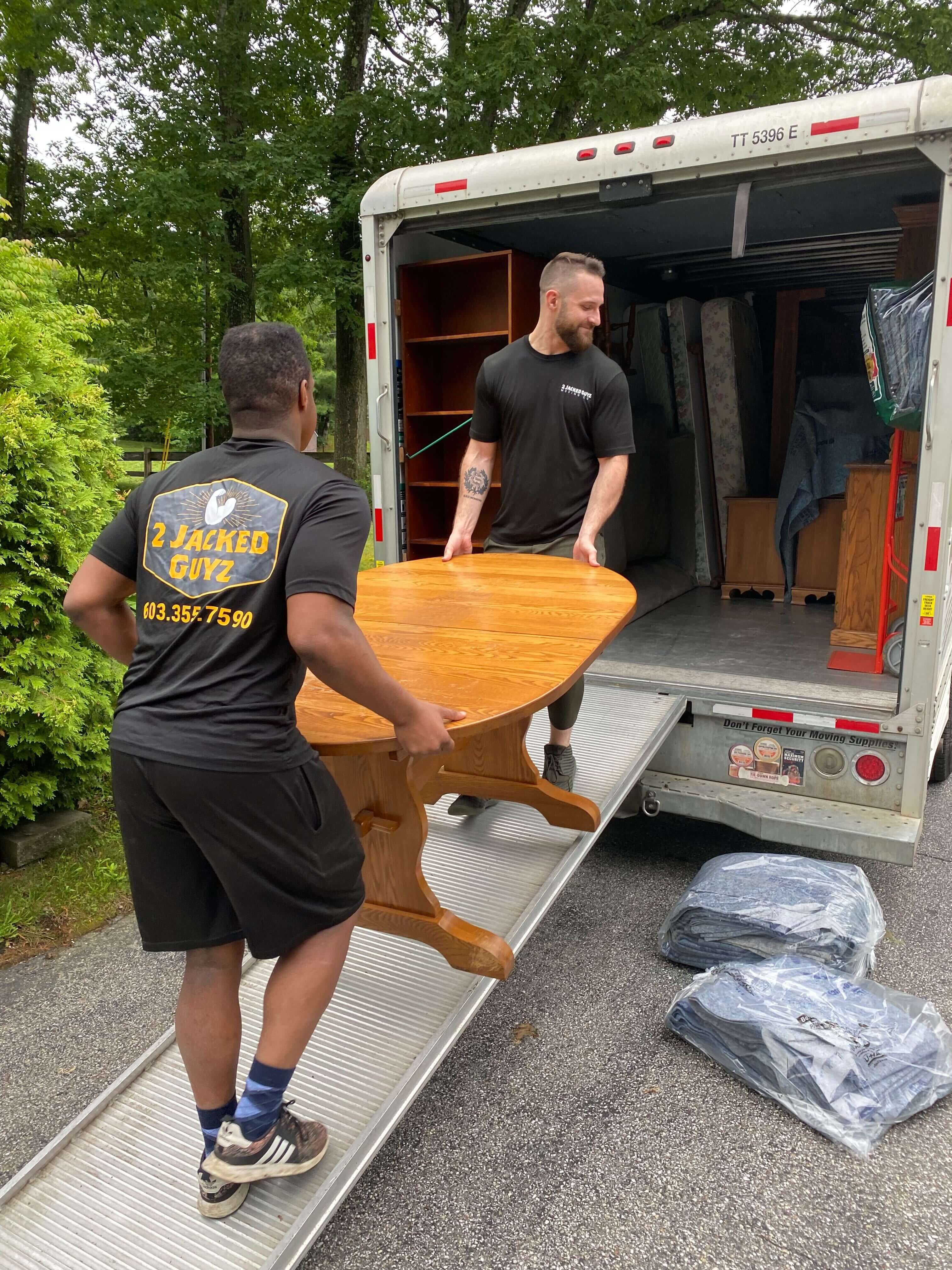
Crating makes sense for high-value or antique dressers and for long interstate shipments where the piece will be handled multiple times. A heavy furniture carton is usually enough for a shorter trip with fewer handoffs. Having movers load the dresser as part of a larger shipment is the lowest-risk option when the piece is one of several things being relocated.
Freight and parcel shipping carriers that specialize in furniture will often require crating or a rigid carton as a condition of coverage, so check requirements before you book anything. If the dresser is part of a larger household shipment rather than a standalone item, it is usually more economical and safer to have it loaded and secured alongside everything else going out on the same truck.
If you are shipping a dresser as part of a bigger relocation, it's worth comparing the cost and risk of shipping it alone against folding it into a full-service long distance moving shipment, where the crew handles padding, loading, and securing as a single job.
Any attached mirror, glass top, or removable hardware should come off before the dresser is wrapped, not after. Loose hardware rattles and can scratch the finish, and glass left in place is the single most common reason a dresser arrives with a crack even when the frame itself is untouched.
Remove handles and knobs where possible and bag them with the screws taped to the inside of a drawer or labeled separately. This keeps small hardware from getting lost and prevents it from digging into padding during transit.
Detach any mirror or glass top and pack it upright in its own flat crate or mirror carton, never flat with weight on top. If the dresser has a built-in mirror frame, check whether the glass itself can be separated from the frame before shipping; shipping the frame and glass separately dramatically reduces breakage risk. For the broader approach to packing framed pieces, see our guide on packing framed art and mirrors.
Before handoff, confirm every drawer is secured or removed, every loose part is bagged and labeled, and the outer packaging is sealed without any gaps where corners or edges are exposed. A five-minute final check catches most of the mistakes that cause shipping damage claims.
Walk around the packaged piece and press gently on each side to make sure nothing shifts. If you can feel movement inside the wrap, add another layer of stretch wrap or padding before it's loaded. Photograph the dresser from all sides once it's fully packed; this gives you a clear record of its condition if you need to file a damage claim later.
If you'd rather have a crew handle the padding and loading for you as part of a move, our packing services cover standard furniture like dressers, and a free moving quote can tell you what that looks like for your specific piece.
Request a personalized quote and see how careful planning and reliable service make every move smoother. Our team prepares each step to handle challenges safely and efficiently.
Yes, as long as the drawers are emptied and secured shut so they cannot slide open during transit. Taping the drawer faces and wrapping the whole case in stretch wrap is usually enough for shorter trips, though removing drawers entirely reduces weight and risk for longer shipments.
Cost depends heavily on distance, the shipping method, and whether crating is required, so it varies widely between carriers and services. Rather than estimate, request a written quote so the price reflects your specific dresser and route.
Antique and high-value dressers benefit from a custom crate, especially for long interstate or freight shipments where the piece changes hands multiple times. For shorter, lower-handling trips, heavy padding plus a rigid furniture carton is often sufficient.
Loose drawers and unsecured glass or mirror attachments cause most shipping damage, since repeated small movements over distance work hardware and glass loose even without a single hard impact. Securing every moving part before the piece is wrapped prevents the majority of claims.
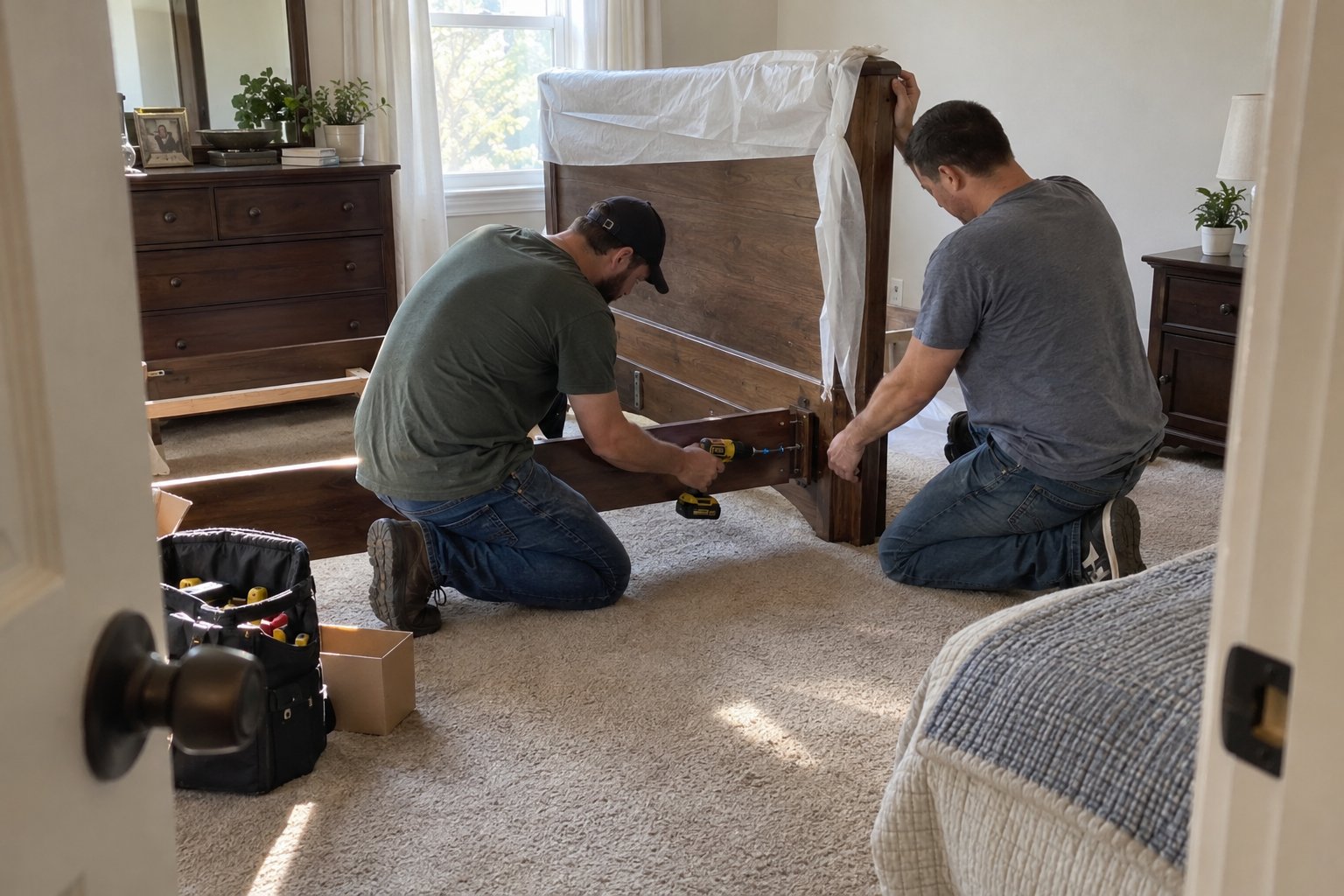
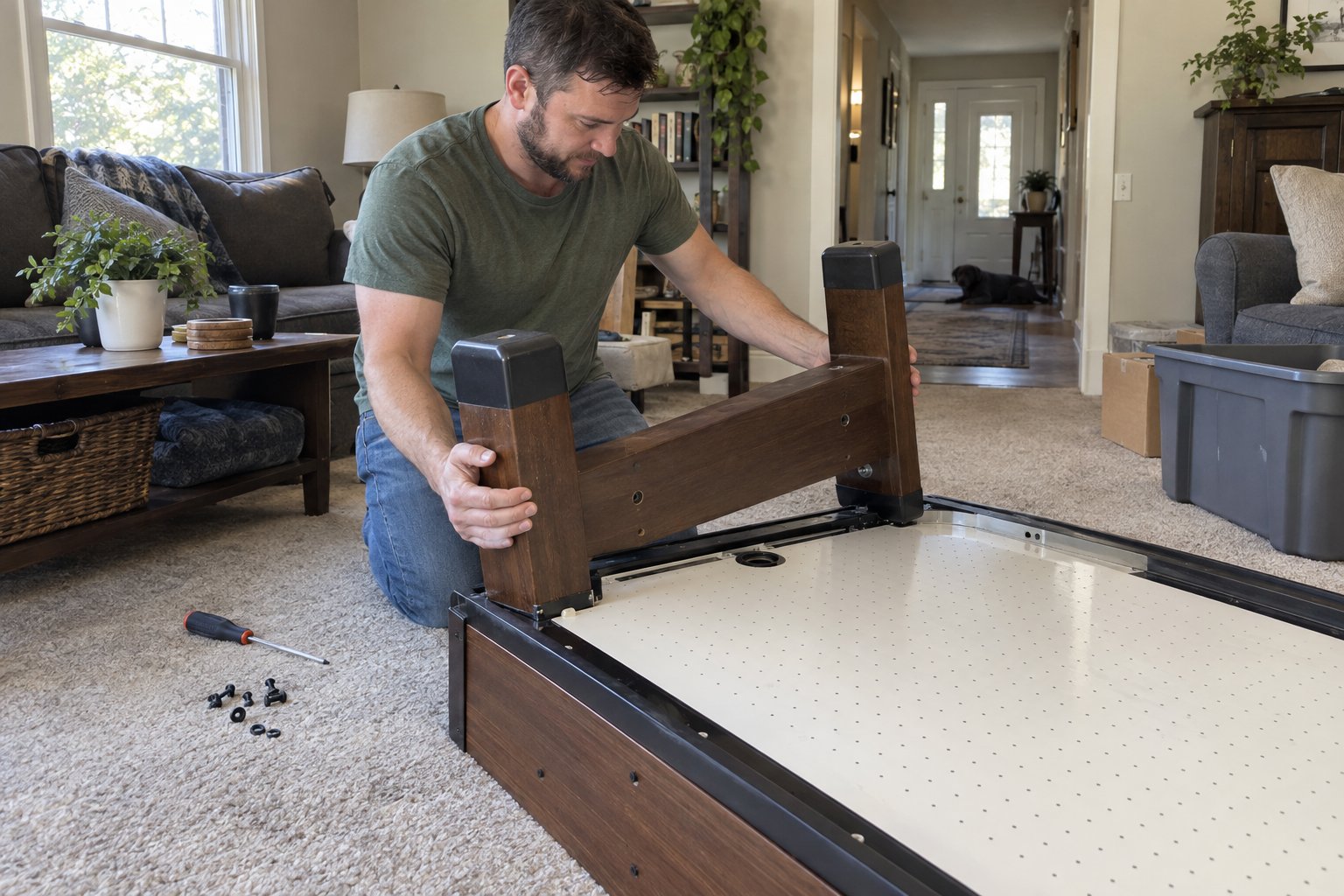
If the legs are detachable, removing them lowers the risk of them snapping off under pressure and makes the piece easier to wrap and crate evenly. Bag the hardware and tape it to the inside of a drawer or a padded section of the frame so it isn't lost in transit.
No long forms, no delays. Just a move that’s ready when you are. Secure your moving date today.