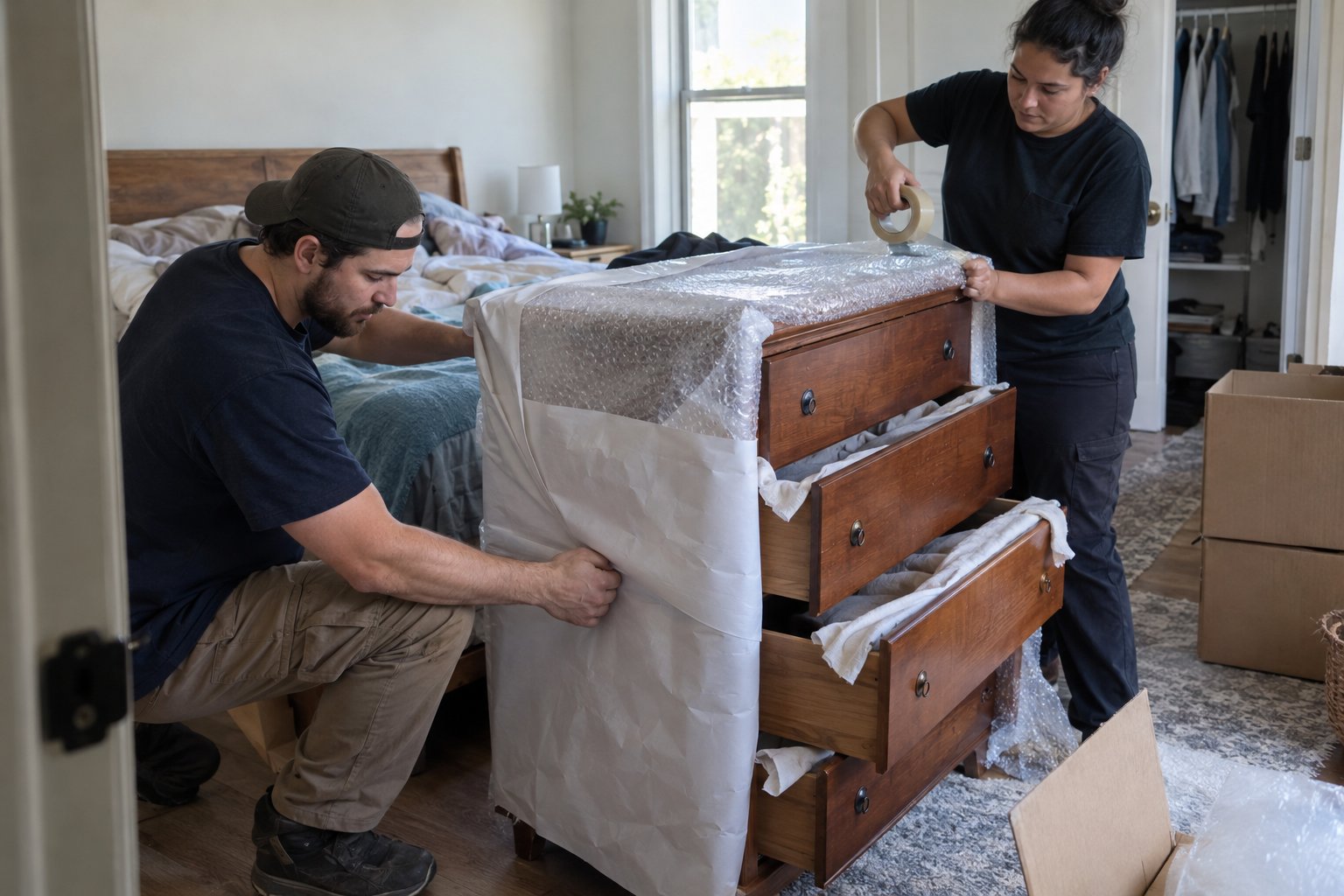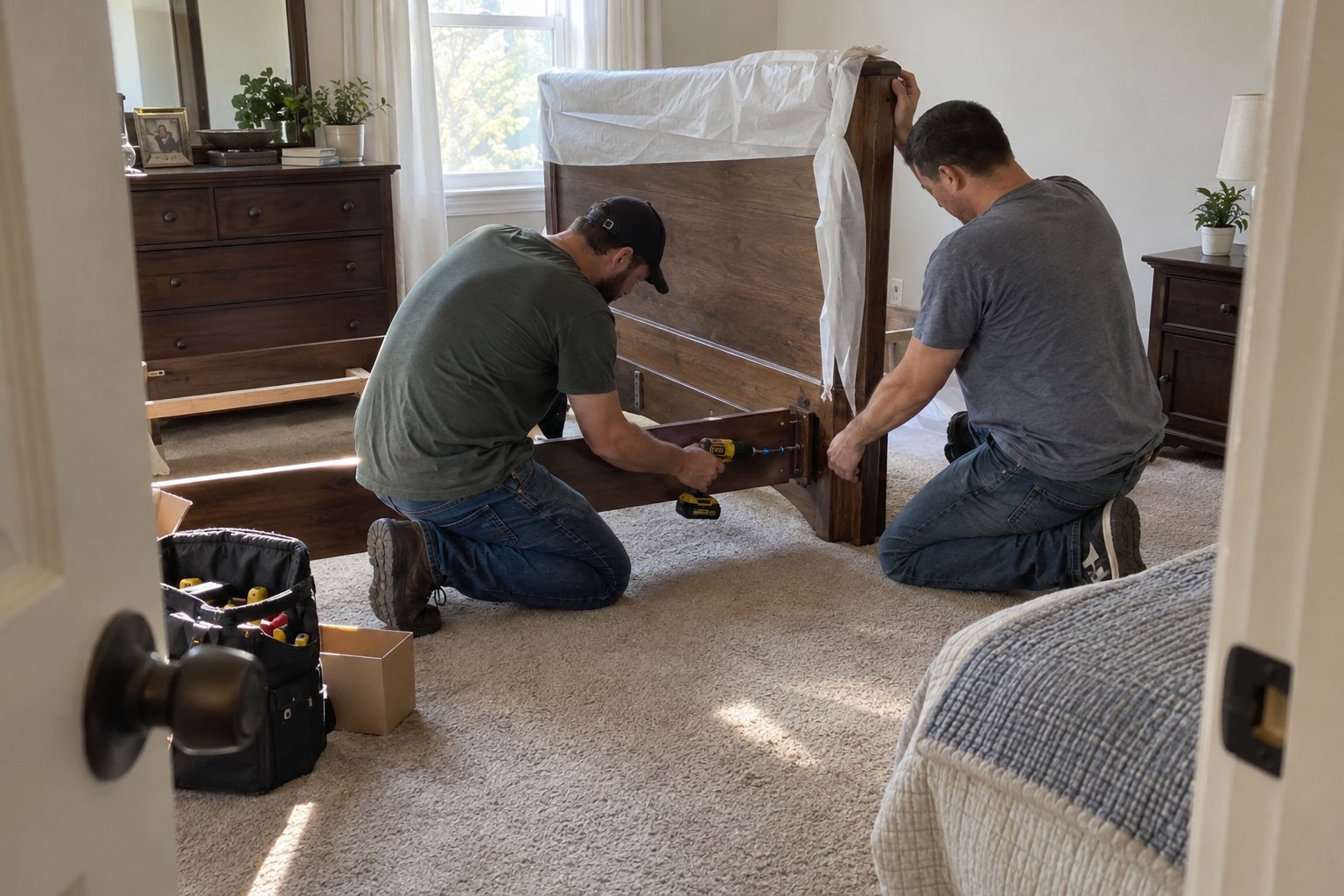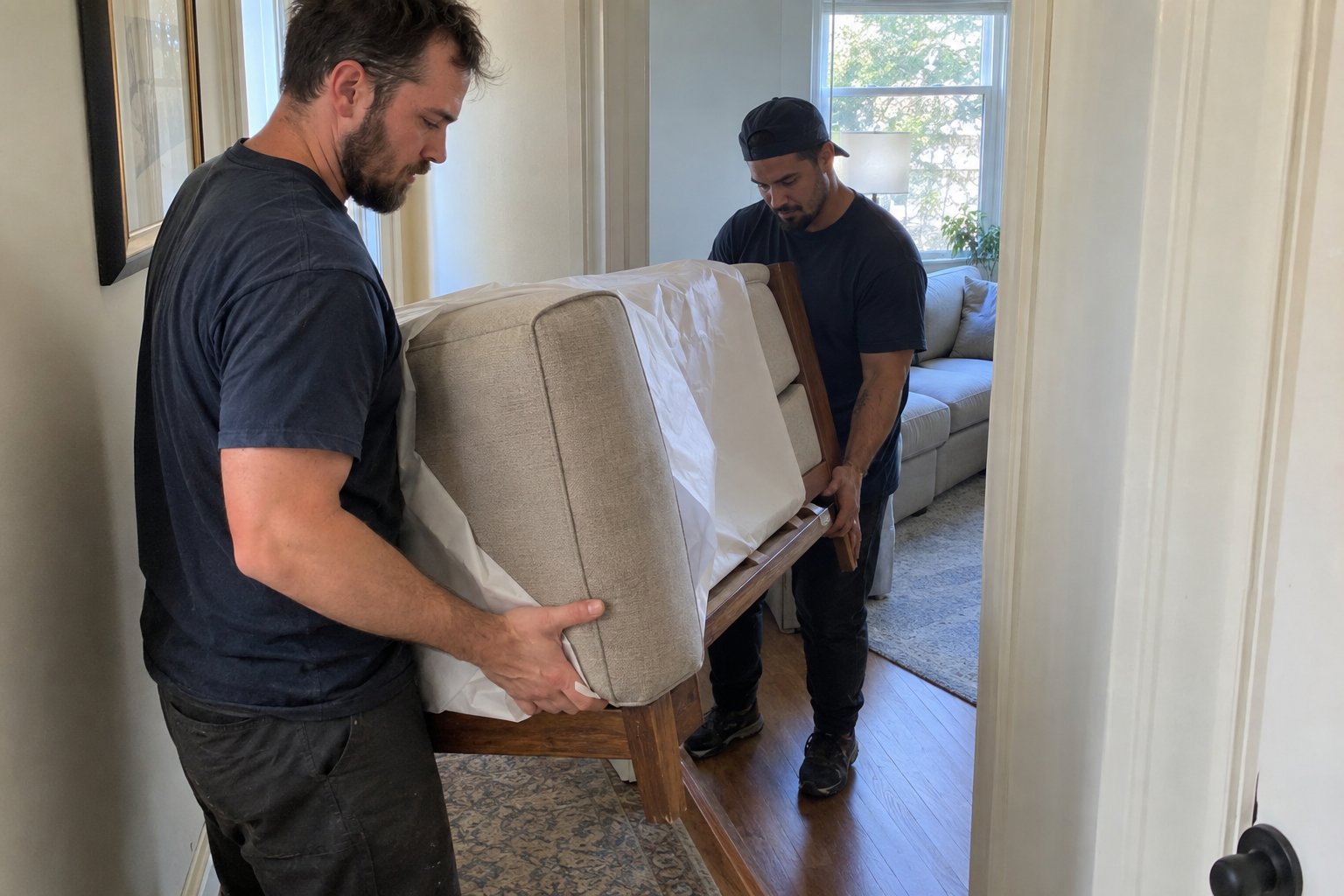


Learn how to move a safe without injury or damage. Discover the right tools, techniques, and when to call professional movers for heavy safe relocation.
Figuring out how to move a safe is one of the most physically demanding and logistically complex tasks a homeowner can face during a relocation — and it almost always catches people off guard. A standard home gun safe can weigh anywhere from 200 to well over 1,000 pounds, and that weight is distributed in an awkward, unforgiving way that makes it genuinely dangerous to move without the right equipment, the right crew, and a clear plan. Add in narrow hallways, staircases, a concrete basement floor, or a tight garage entryway, and you have a moving challenge that demands far more than a few strong backs and a hand truck borrowed from a neighbor.
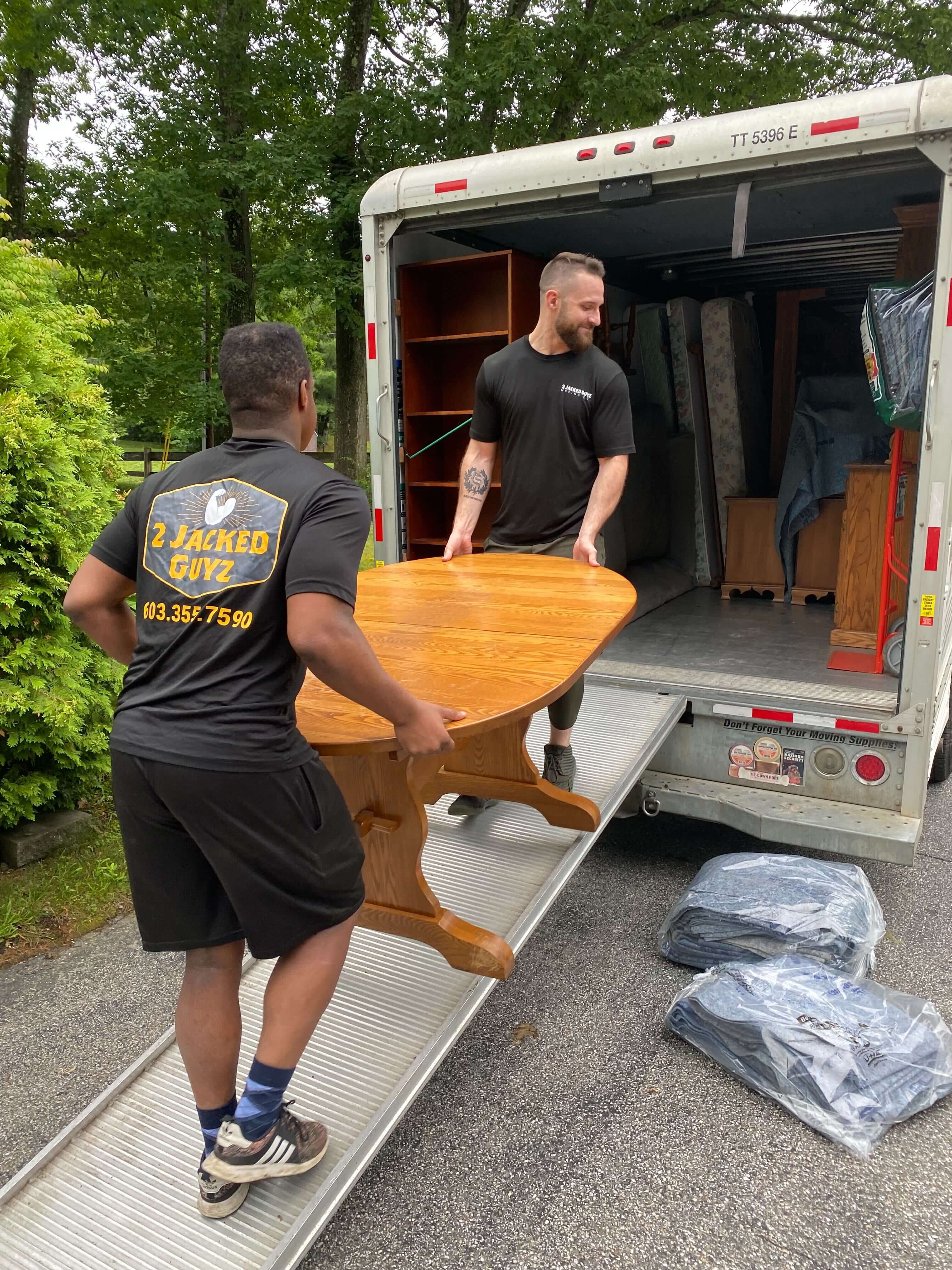
The good news is that moving a safe — even a large, heavy floor model bolted to a concrete slab — is completely manageable when you approach it with the correct tools, the right sequence of steps, and a realistic understanding of the risks involved at each stage. If you would rather hand this job to a team that handles heavy specialty items every day, the professionals at 2 Jacked Guyz residential moving are equipped and ready to move your safe without damage to your floors, walls, or back.
Before you attempt to move a single inch of a home safe, you need to conduct an honest assessment of the item itself and the path it will need to travel. There are several distinct categories of home safes, and each one presents a different set of challenges.
Floor safes are typically bolted directly into the concrete or subfloor and require professional unbolting before any movement is possible. Wall safes are usually lighter but recessed into framing, which means removal can disturb drywall and insulation. Freestanding gun safes are the most common type movers encounter — they are tall, narrow, and extraordinarily top-heavy, which makes them prone to tipping during transport. Fireproof document safes come in a wide range of sizes but often have thick steel-and-concrete composite walls that make even a modest-looking unit surprisingly heavy.
Identify your safe's approximate weight before you plan anything else. Most manufacturers list weight specifications on the product's documentation or model sticker inside the door. Knowing the weight helps you determine how many movers you realistically need, what type of dolly is required, and whether a moving truck with a lift gate is necessary. Attempting to estimate based on looks alone is one of the most common mistakes homeowners make when planning how to move a safe.
Next, walk the entire path from the safe's current location to the moving truck or destination point. Measure every doorway width, note every staircase, and identify any flooring surfaces — particularly hardwood, tile, or laminate — that could be scratched or cracked under the safe's concentrated weight. A 600-pound safe distributed across two small dolly wheels can exert enormous pressure per square inch on a hardwood floor, and a single wrong turn can gouge irreparable damage into expensive flooring.
Having the proper tools is not optional when learning how to move a safe — it is the difference between a controlled, successful relocation and a dangerous, property-damaging failure. Do not attempt this task with a standard hand truck or basic furniture dolly. The weight and density of most safes far exceed what standard moving equipment is rated to handle safely.
You will need a heavy-duty appliance dolly with a reinforced steel frame and a high weight rating — typically 800 pounds or more for larger safes. These dollies feature a wider base, deeper lip for loading, and more robust strapping systems than standard furniture dollies. If the safe is particularly large or heavy, a four-wheel platform dolly may be needed to distribute the weight more evenly across the floor surface.
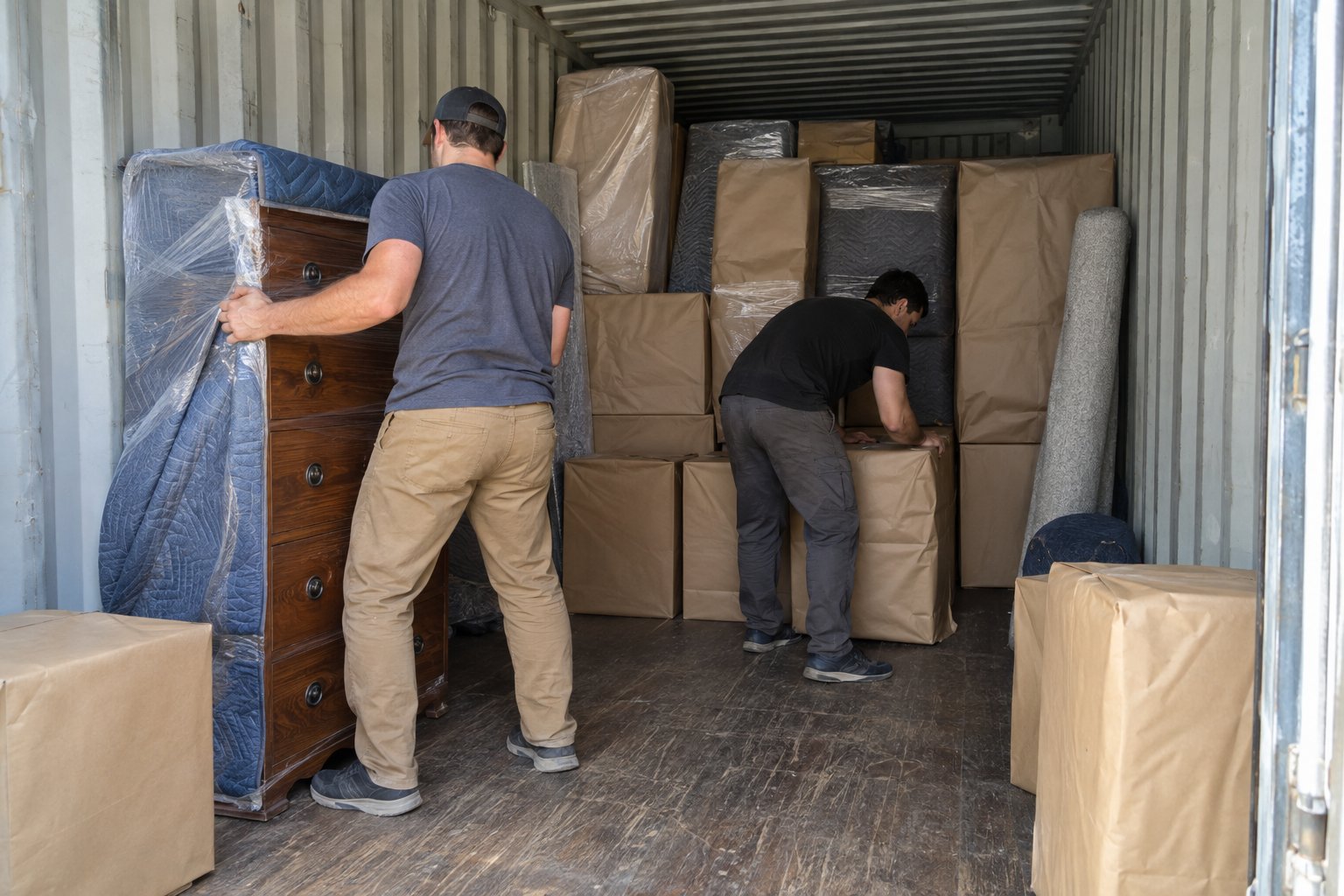
Furniture blankets and moving pads are essential for protecting both the safe's exterior finish and the walls and door frames it will pass through. Wrap the safe completely before moving it, with particular attention to the corners and handle mechanisms. Heavy-duty ratchet straps rated for the safe's weight are necessary to secure it to the dolly so it cannot shift or tip unexpectedly during movement.
Floor protection is equally critical. Lay down thick rubber mats, plywood sheets, or professional floor runners along the entire travel path before you begin moving. This is especially important in hallways, over thresholds, and anywhere the dolly will need to pivot or turn. For stairs, additional equipment such as a stair-climbing dolly — which uses a three-spoke wheel design to roll up and down steps in a controlled manner — may be required. Attempting stairs with a standard appliance dolly and a 400-pound safe is extremely dangerous and should never be attempted without professional experience.
Preparation is the phase that most people skip in their eagerness to simply get the safe out the door, and it is the phase where the most preventable mistakes happen. Proper preparation when learning how to move a safe begins at least a day or two before any lifting takes place.
Start by completely emptying the safe. This is important for two reasons: it reduces the total weight of the unit, making it safer and easier to move, and it protects your valuables from shifting and sustaining damage during transit. Remove all firearms, ammunition, documents, jewelry, cash, and any other contents and pack them separately in secure, clearly labeled containers. Do not leave anything inside the safe during transport — even items that seem well-secured can shift and cause internal damage or alter the safe's center of gravity.
If the safe is bolted to the floor, you must address the anchor bolts before any movement is attempted. This typically requires a socket wrench set and potentially an impact driver to break loose bolts that have been set for years. In concrete applications, the bolts may be set with expanding anchors that require careful extraction to avoid cracking the slab. If you are unsure how to remove the anchor system without causing damage, consulting a professional is strongly recommended before you attempt it.
Once the safe is emptied and unbolted, close and lock the door securely. A swinging safe door during transport is a serious hazard — it can knock crew members off balance, damage walls and trim, and add unpredictable weight shifts to an already difficult load. Lock the door and tape over the handle mechanism to prevent accidental engagement during the move.
For very large or particularly valuable safes, consider documenting the unit's condition with photographs before the move begins. This provides a baseline record in case any cosmetic damage occurs during transport and is useful documentation for insurance purposes. Our guide on moving large furniture without scratching floors or walls covers additional protective techniques that apply directly to safe transport as well.
With the safe emptied, unbolted, wrapped, and the path prepared, you are ready to begin the physical movement. This phase requires clear communication between all crew members, deliberate and controlled movements, and a complete absence of rushing. Speed is the enemy when moving a safe — every step should be slow, intentional, and verified before proceeding.
Position the appliance dolly directly beside the safe with the lip of the dolly flush against the base. With one crew member stabilizing the dolly and at least one or two others managing the safe, carefully tilt the safe backward — not forward — onto the dolly's lip. This requires coordinated effort: the person at the back of the safe tips it gently while the person at the dolly lip uses a pry bar or a second set of hands to slide the dolly lip under the base edge.
Once the safe is resting on the dolly, secure it immediately with ratchet straps before attempting to move it. The straps should cross the safe at the mid-point and near the top to prevent both forward tipping and lateral shifting. Never rely on a single strap — use at least two, and verify they are tight and properly seated before moving.
Move the safe slowly along the prepared path, with one person guiding the dolly from behind and at least one spotter walking ahead to clear obstacles, open doors, and monitor floor protection. Do not attempt sharp turns at speed — pivot the dolly in small increments, repositioning your feet and grip between each movement.
Through doorways, confirm clearance before committing to the pass-through. If the doorframe is tight, remove the door from its hinges before attempting to move the safe through. Door hinges are surprisingly easy to damage with even a minor bump from a heavy safe, and hinge replacement adds unnecessary time and cost to an already complex move.
A moving truck with a hydraulic lift gate is strongly recommended for any safe that weighs more than a few hundred pounds. Attempting to muscle a large safe up a standard loading ramp with a dolly is extremely dangerous and should only be considered for smaller, lighter units with an experienced crew. The lift gate eliminates the ramp entirely, allowing you to roll the safe onto the platform at ground level and lower it to truck bed height mechanically.
Inside the truck, position the safe against the cab wall, which is the most stable position during transit. Strap it to the truck's tie-down anchor points with heavy-duty cargo straps — the safe should have zero movement in any direction. Place soft padding between the safe and the truck walls to prevent vibration-related finish damage during the drive.
There is a clear point at which attempting to move a safe yourself transitions from a manageable DIY project into a genuinely dangerous undertaking, and it is important to recognize that threshold before you reach it rather than after. If your safe weighs more than 400 pounds, requires stair navigation, is bolted into concrete, or needs to travel a long distance in a truck, the risk profile changes significantly.
Professional movers who specialize in heavy item relocation have the right equipment, the right training, and the experience to manage the unpredictable variables that make safe moving so demanding. They carry the appropriate liability coverage, use commercial-grade dollies and straps rated for extreme weights, and know how to protect your floors, walls, and the safe itself throughout the entire process.
If you are already coordinating a full household relocation, integrating safe moving into a broader professional moving plan makes the logistics far simpler and more cost-effective. The team at 2 Jacked Guyz offers professional packing services as well as full-service moves that include specialty heavy items like safes, gun cabinets, and other challenging pieces that require more than standard moving equipment.
Do not let the safe be an afterthought in your moving plan. It is often the last item people account for, and that tendency to deprioritize it until the day of the move is exactly how injuries and property damage happen. Build the safe into your moving timeline early, confirm your equipment and crew well in advance, and give yourself enough time to handle it carefully and correctly.
Request a personalized quote and see how careful planning and reliable service make every move smoother. Our team prepares each step to handle challenges safely and efficiently.
Home safe weights vary widely depending on size, type, and construction. A small fireproof document safe might weigh 30 to 80 pounds, while a mid-size gun safe commonly ranges from 200 to 500 pounds. Large, high-security gun safes and commercial-grade floor safes can exceed 1,000 pounds. Always check the manufacturer's specifications before planning your move, as the weight directly determines what equipment and how many movers you will need.
Moving a safe alone is not recommended for most units and is genuinely dangerous for anything weighing more than 100 to 150 pounds. Even lighter safes are awkward and dense in a way that makes solo movement risky. For safes of any significant size, you need at least two people and ideally three or four for larger units. The risk of tipping, floor damage, and personal injury increases dramatically when attempting solo movement of a heavy safe.
Yes, you should always empty the safe completely before moving it. Removing the contents reduces the total weight, makes the move safer, and protects your valuables from shifting and sustaining damage during transit. Even items that seem secure inside the safe can move unpredictably during loading, transport, and unloading. Pack your documents, firearms, jewelry, and other valuables separately in secure containers for the move.
A heavy-duty appliance dolly with a reinforced steel frame and a weight rating that matches or exceeds your safe's weight is the minimum requirement. Standard furniture dollies are not rated for the concentrated weight of most home safes. For very heavy units, a four-wheel platform dolly may be needed to distribute the load more evenly. If stairs are involved, a stair-climbing dolly with a tri-wheel design is the appropriate tool for controlled stair navigation.
For safes weighing more than 400 pounds, requiring stair navigation, bolted to concrete, or being transported long distance, hiring professional movers is strongly recommended. Professional movers have commercial-grade equipment, trained crews, and the experience to handle the unpredictable challenges of safe relocation without injury or property damage. The cost of professional safe moving is typically far less than the cost of repairing a damaged floor, wall, or doorframe — or addressing a personal injury.
No long forms, no delays. Just a move that’s ready when you are. Secure your moving date today.