

Learn how to ship furniture without damage. Our expert guide covers packing, protection, and logistics to ensure your heavy items arrive safely at their home.
Navigating the complexities of a long distance relocation often leaves homeowners wondering exactly how to ship furniture without risking significant damage to their belongings. Whether you are sending a single heirloom armoire or a full living room set, understanding the logistical requirements is vital for a smooth process. Proper preparation is the foundation of a successful delivery.
Secure your heavy household items for long distance transport by speaking with our logistics coordinators at (603) 757-5933 for a custom plan.
Selecting the right transportation method is a major part of learning how to ship furniture effectively. You must decide between less than truckload shipping, white glove services, or traditional professional moving companies. Each option offers different levels of protection and speed, which will influence how you prepare and package your items for the long haul.
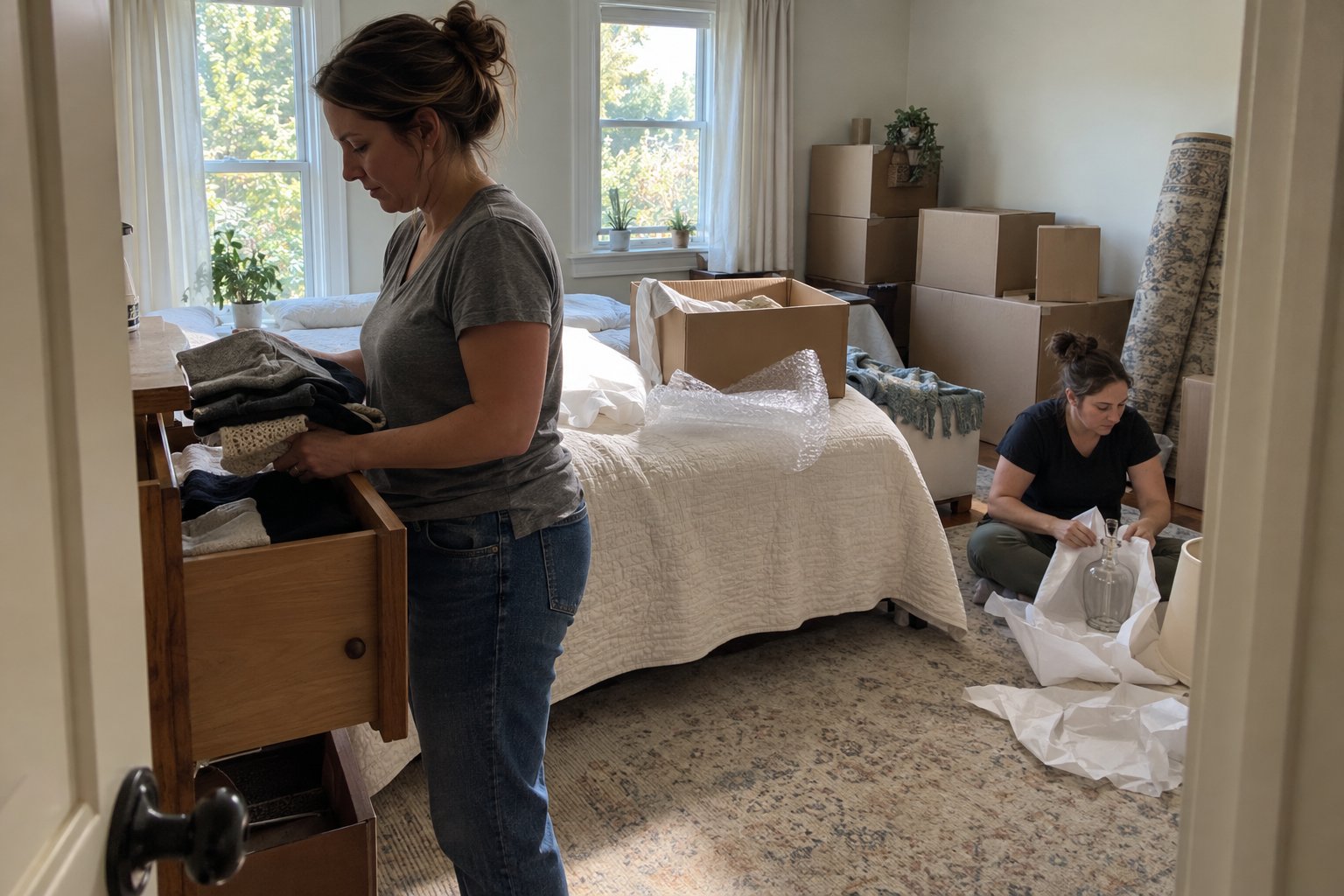
Before you begin the physical labor, you must perform a detailed inspection of every item you intend to send. Look for existing scratches, loose joints, or delicate veneers that might require extra attention during the packing phase. Documenting the current condition of your assets provides peace of mind and essential records for the shipping process.
Measuring your items is also a critical step in understanding how to ship furniture. Accurate dimensions and weight estimates help logistics providers offer better rates and ensure they have the proper equipment. Knowing if a piece exceeds 1200 pounds or has unusual dimensions will prevent unexpected delays or additional fees on the day of pick up.
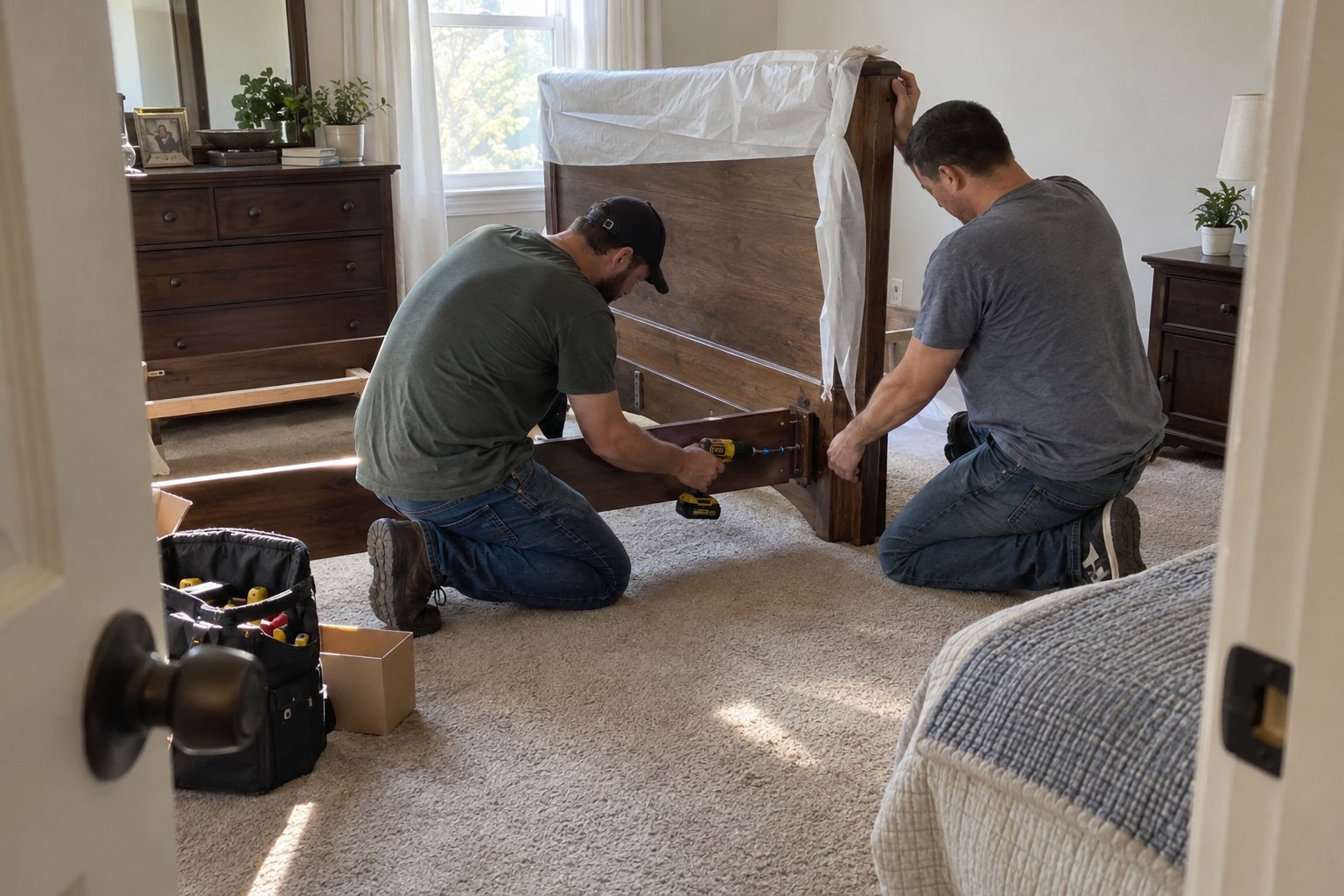
Whenever possible, taking your furniture apart is the best way to prevent structural stress during transit. Removing table legs, bed frames, and detachable shelving makes the pieces easier to wrap and significantly more stable inside a moving truck. This step also reduces the overall footprint of your shipment, which can sometimes lower your total costs.
Keep all hardware and small components organized in labeled plastic bags. Tape these bags securely to the underside of the main furniture piece or store them together in a dedicated hardware box. Proper organization during disassembly ensures that reassembling your furniture at the new destination is a straightforward and frustration free experience for everyone.
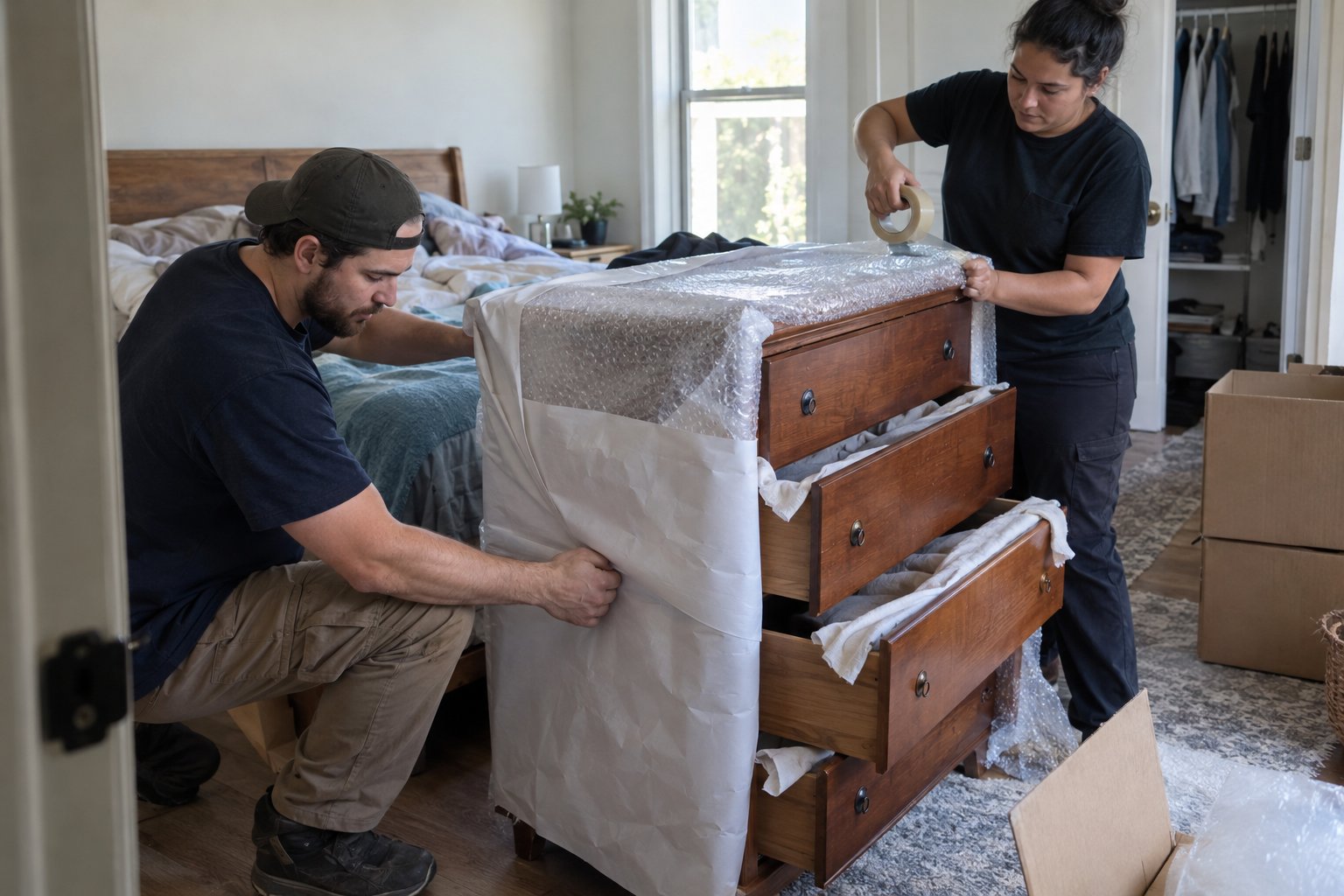
Using high quality supplies is a non negotiable aspect of how to ship furniture safely. You will need industrial strength stretch film, heavy duty moving blankets, and corrugated cardboard sheets. These materials work together to create a multi layered defense system against the friction and vibrations that occur during long distance highway travel.
Avoid using low grade plastic wraps that might trap moisture or thin blankets that offer little impact resistance. Investing in professional grade materials is the most cost effective way to avoid the high price of furniture repair. The goal is to create a soft interior layer followed by a rigid exterior shell for maximum safety.
The method of transport you choose is a huge factor in how to ship furniture safely and affordably. Consolidated shipping is a popular choice where your items share space with other shipments heading in the same direction. This is often the most budget friendly route, though it requires your items to be exceptionally well protected.
For those with high value antiques or extremely delicate pieces, white glove service may be the preferred choice. This premium option typically includes professional packing, loading, and inside delivery at the final destination. Understanding these nuances helps you make an informed decision that aligns with your specific needs and your relocation budget.
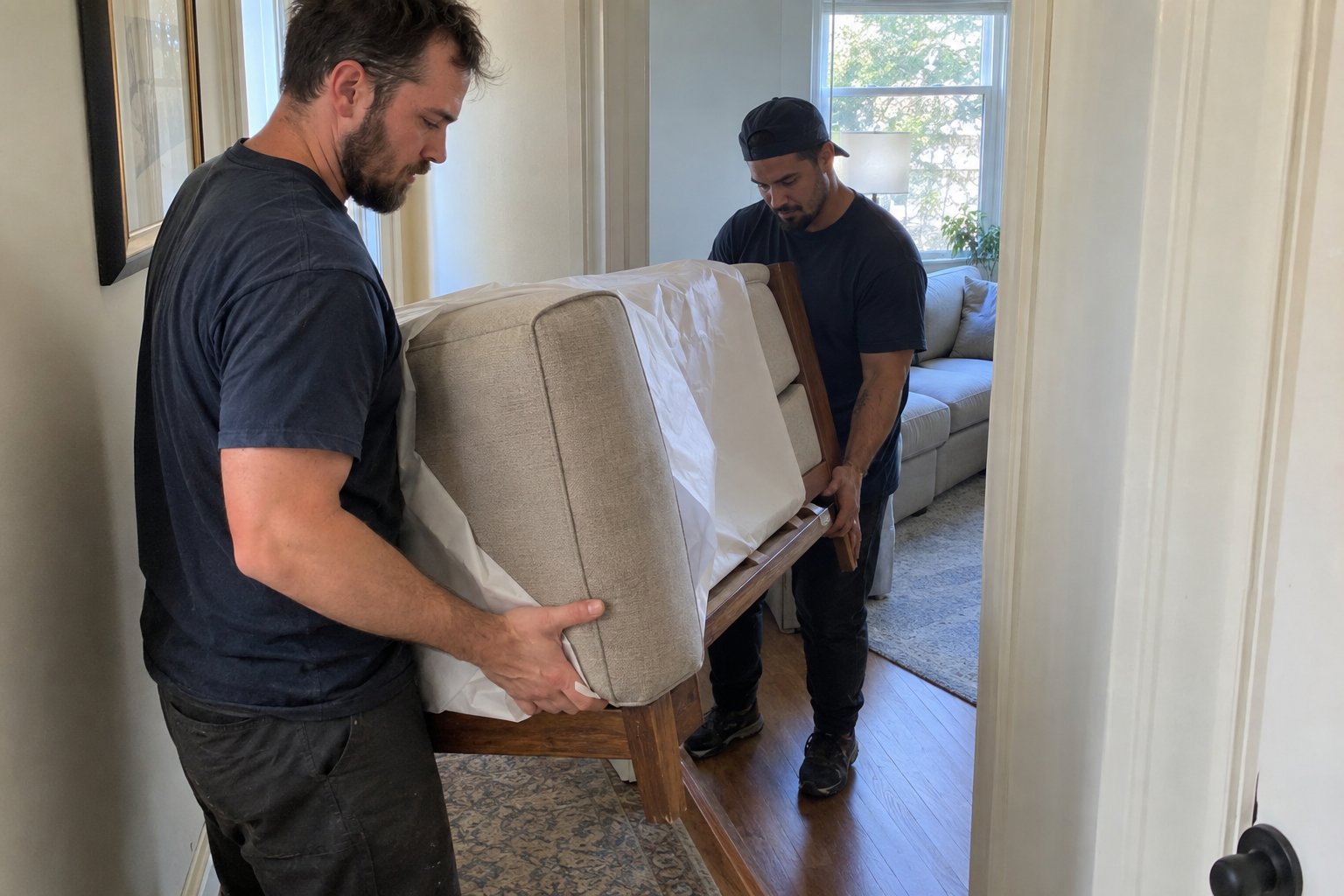
Sofas, armchairs, and mattresses require a different approach to keep them clean and dry. Start by removing all cushions and wrapping them individually in plastic to maintain their shape and hygiene. The main body of the furniture should be covered in a fitted plastic cover or industrial stretch film to block out dust.
If the item has wooden legs, wrap them in foam or bubble wrap before covering the fabric. This prevents the legs from puncturing the plastic or scratching other items in the truck. Learning how to ship furniture with soft surfaces involves focusing on cleanliness as much as physical protection from impacts and tears.
Glass components are the most vulnerable parts of any furniture shipment and require a specialized crating approach. Use painter's tape to create a large X across the glass surface to provide structural integrity. Sandwich the glass between two sheets of thick cardboard or specialized foam board for a rigid defense.
Wrap the entire assembly in several layers of large bubble wrap and secure it with tape. When loading glass into a vehicle, always stand it on its edge rather than laying it flat. This position allows the glass to better withstand the vertical shocks of the road, which is essential for a safe arrival.
Even with the best preparation, it is important to understand your protection options. Most shipping companies provide basic liability coverage based on the weight of the item, but this may not cover the full value. Reviewing your existing homeowner's insurance or purchasing additional moving insurance is a smart move for expensive pieces.
Clear communication with your provider about the value and fragility of your items is paramount. If you are shipping a piece that weighs over 1200 pounds or a rare collectible, ensure the carrier is fully aware of the requirements. Protecting your financial interest is a key part of learning how to ship furniture in the modern era.
Once your items are wrapped and ready, a final check ensures everything is secure. Ensure there are no loose flaps of plastic or trailing blanket edges that could cause a tripping hazard. Every piece should be labeled with your name, contact information, and the destination address to prevent any confusion during sorting.
High visibility labels that say "Fragile" or "This Side Up" guide the handlers on how to treat your property. Providing clear instructions through labeling is the final step in your preparation process. With these measures in place, you can feel confident as your furniture begins its journey to your new home or office.
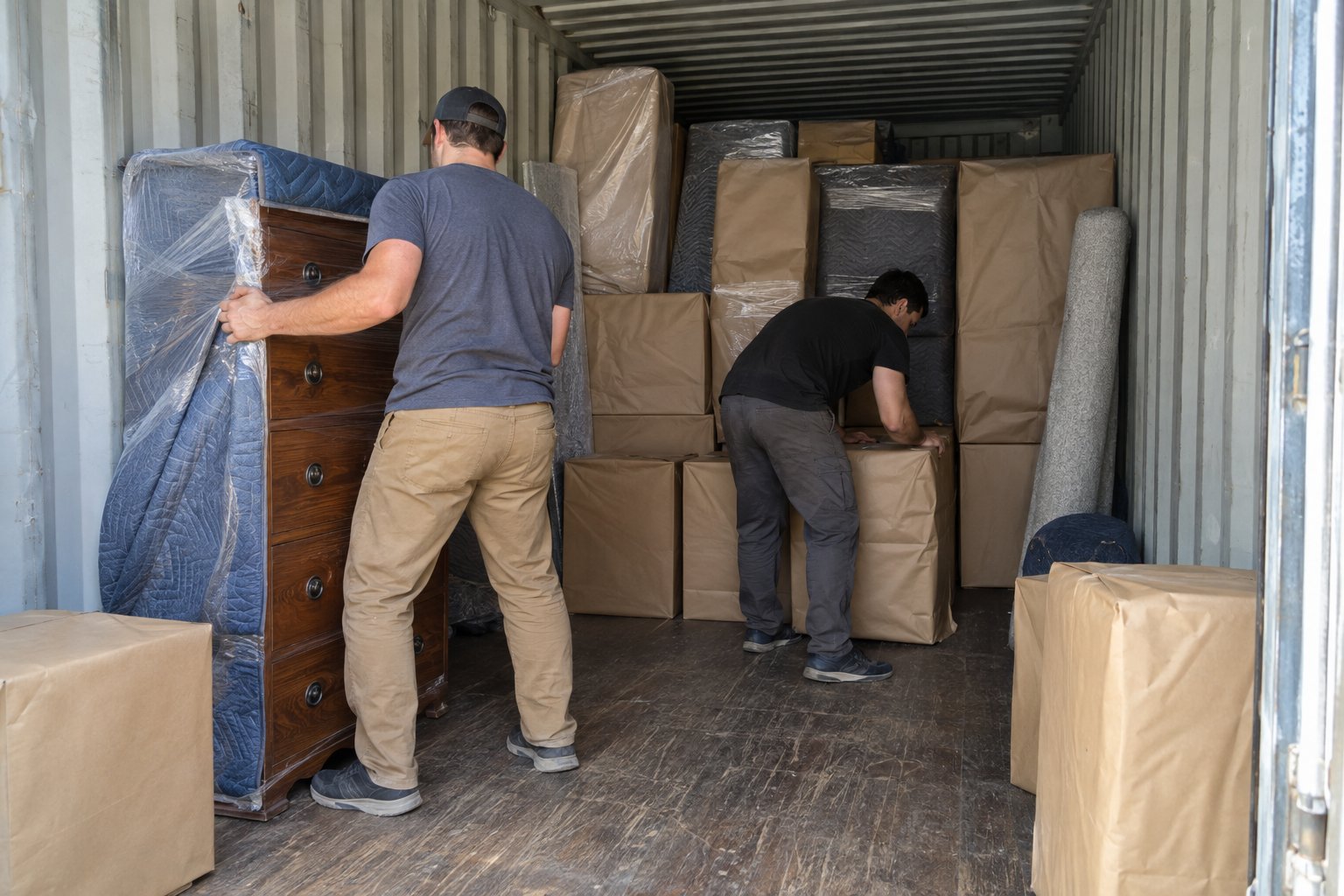
Efficient loading is just as important as the wrapping itself. When you know how to ship furniture, you know that heavy items should form the base of the load. This prevents lighter boxes from being crushed and lowers the center of gravity for the entire truck, making for a much safer drive.
Use straps and tie downs to secure the furniture to the walls of the vehicle. This prevents the items from sliding forward or backward during sudden stops. A tight, secure load is the best way to ensure that all your hard work in packing translates into a damage free delivery at your destination.
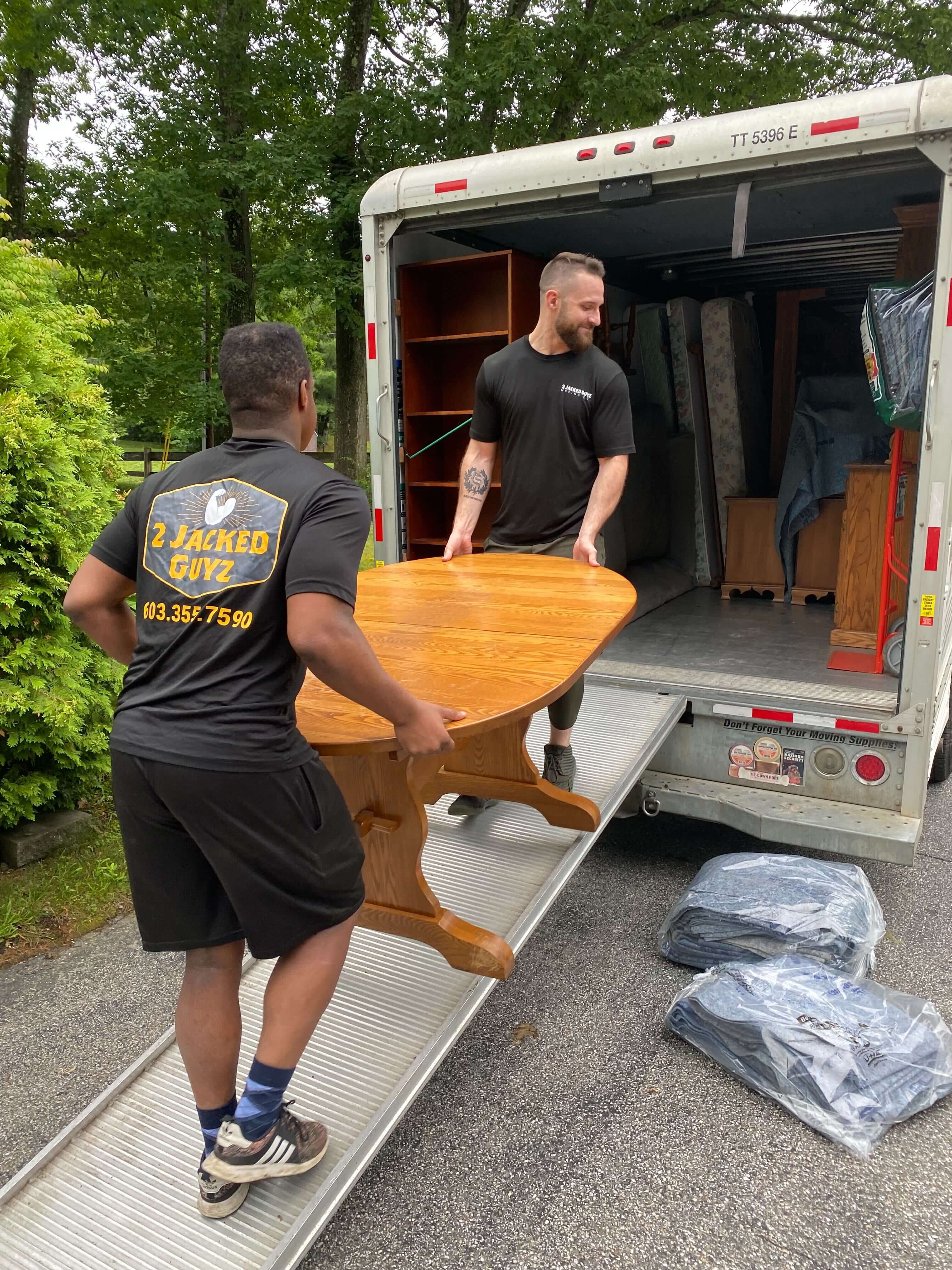
While a DIY approach is possible, professional movers bring a level of expertise that is difficult to replicate. They have the experience to handle tight corners, steep stairs, and heavy lifting without causing property damage. Their specialized equipment, like ramps and dollies, ensures that even the bulkiest pieces are moved with ease.
Professional teams also understand the physics of the road, knowing exactly how to stack items to minimize movement. If you are worried about how to ship furniture, hiring a team of experts can save you physical strain and mental stress. Their presence ensures that your transition is handled with the highest standards of care.
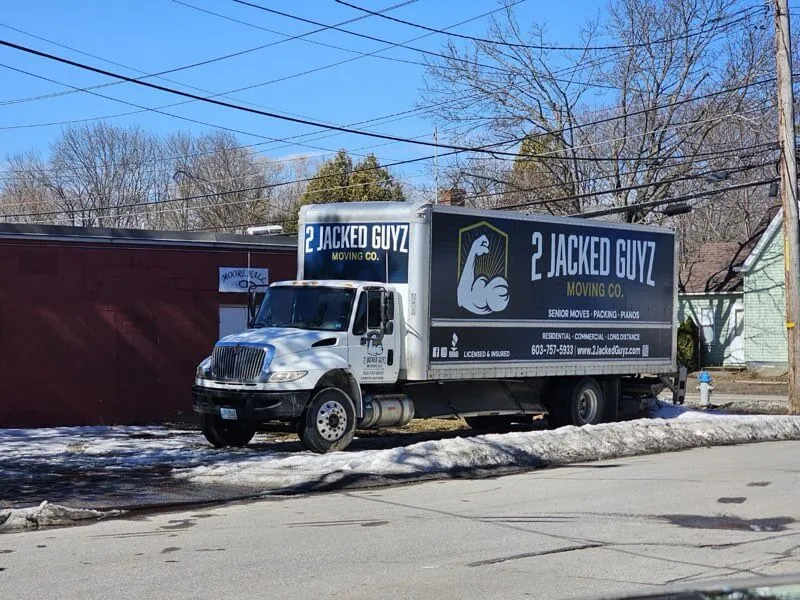
2 Jacked Guyz has built a reputation for excellence in long distance hauling and specialty packing services. Our team provides comprehensive residential moves, delicate furniture crating, and precise loading for every client. We stand out by combining raw strength with meticulous care for your assets. Let us carry the weight of your move today.
Contact: sales@2jackedguyz.com | (603) 757-5933
Request a personalized quote and see how careful planning and reliable service make every move smoother. Our team prepares each step to handle challenges safely and efficiently.
To protect wood furniture, start with a layer of professional moving blankets that cover all polished surfaces. Secure the blankets with stretch wrap to keep them from sliding. Never apply tape directly to the wood finish as it can cause damage. Use cardboard corner guards to add extra protection.
It is almost always better to disassemble furniture before shipping it. Removing legs and frames makes the items more stable and reduces the risk of structural damage during transit. It also allows you to wrap each component more thoroughly and can often save space inside the moving truck or container.
You should apply painter's tape in an X pattern across the glass to strengthen it. Sandwich the glass between two sheets of thick cardboard and wrap the entire unit in bubble wrap. Always transport glass items on their edges rather than flat to help them survive the vibrations of a long distance haul.
First, remove all loose cushions and wrap them separately in plastic. Then, cover the entire body of the sofa in a plastic furniture cover or industrial stretch film to protect it from dust and moisture. If the sofa has wooden feet, wrap them in bubble wrap to prevent them from puncturing the outer wrap.
You should choose a shipping method based on the value and fragility of your items. Less than truckload shipping is cost effective for sturdy pieces, while white glove services offer the best protection for antiques. Consider the weight and dimensions of your cargo when discussing options with a carrier.
No long forms, no delays. Just a move that’s ready when you are. Secure your moving date today.