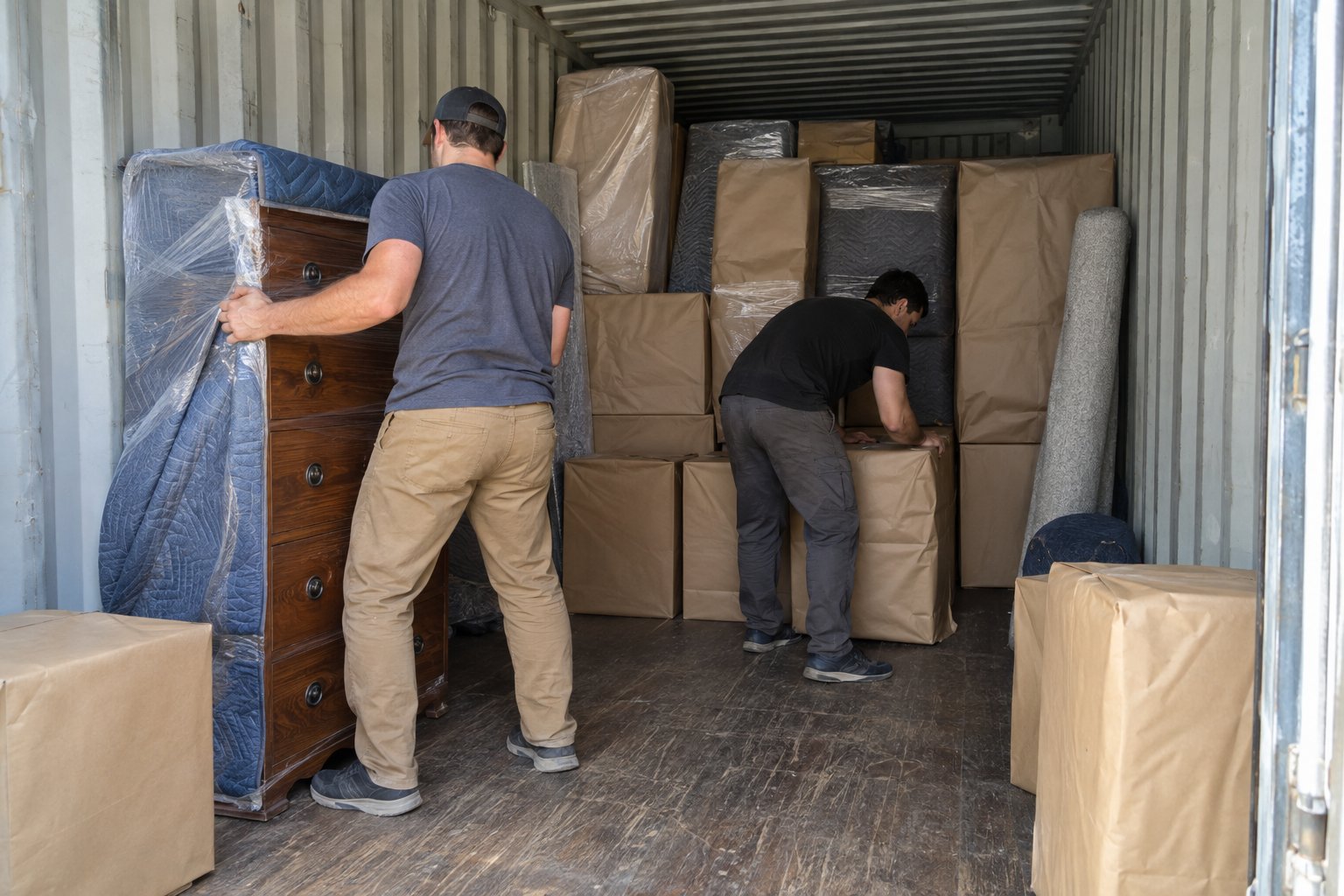


Learn how to pack and move an attic the right way — from decluttering decades of storage to safely handling fragile heirlooms and bulky seasonal items.
Figuring out how to pack and move an attic is one of those tasks that most people avoid thinking about until moving day is already dangerously close. The attic is easy to ignore — it requires a ladder to access, the lighting is usually poor, and whatever is up there has often been sitting undisturbed for years. But when you finally pull down that hatch or push open that door, you are likely looking at a dense collection of holiday decorations, childhood keepsakes, old clothing, heirlooms passed down from family members, luggage you forgot you owned, and insulation that makes every box you touch a dusty, itchy experience. The attic holds the things that matter most and the things you meant to get rid of years ago — often in the same pile.
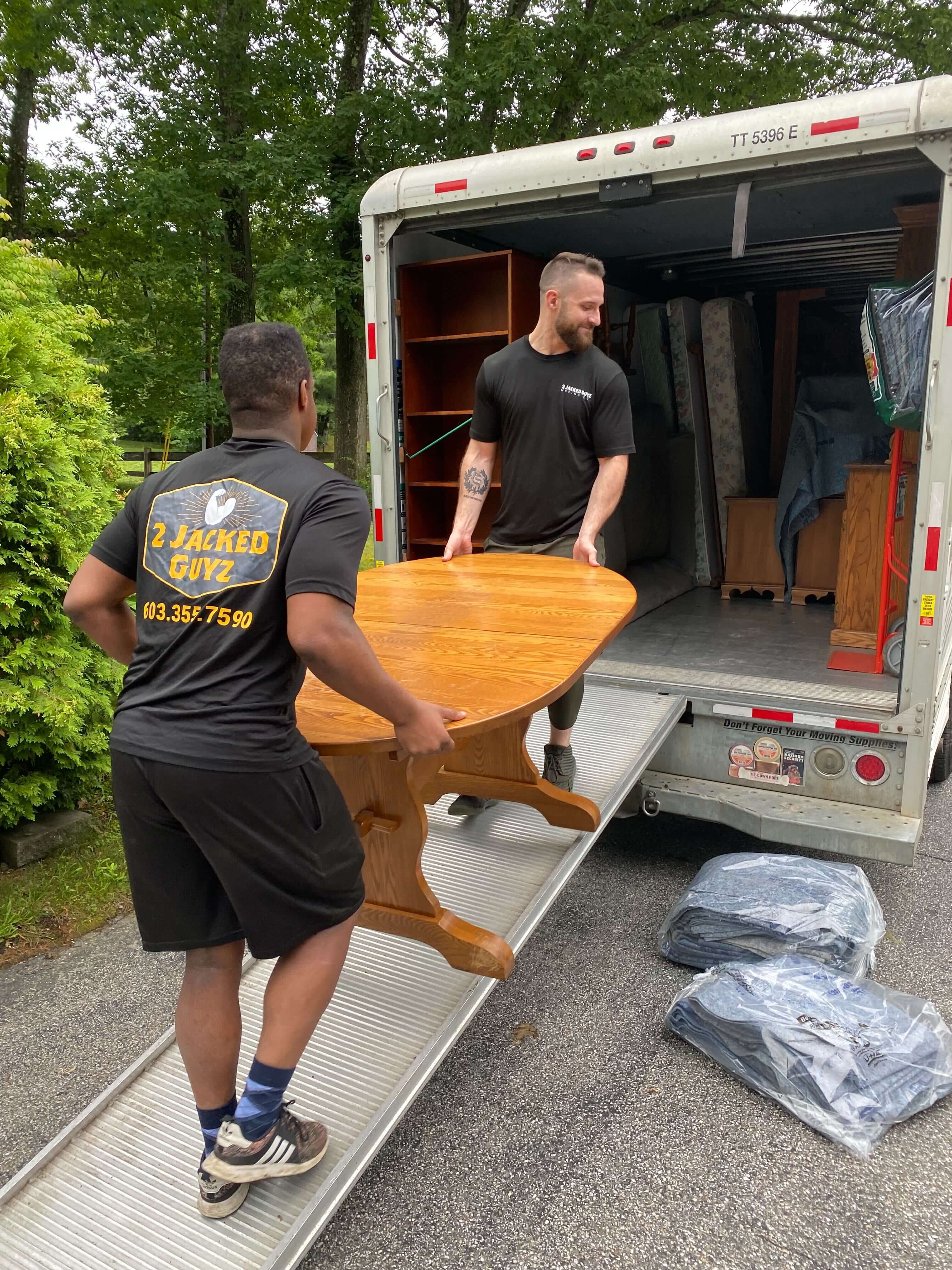
The good news is that an attic move is completely manageable when you approach it with a real plan and enough time to work through it properly. And if you would rather hand the heavy lifting to professionals who have handled every variety of cramped, overstuffed attic imaginable, the team at 2 Jacked Guyz professional movers is ready to take it from overwhelming to done.
The single biggest mistake people make with an attic is starting too late. Unlike a bedroom or a bathroom, an attic is not a space you can reasonably pack up in a single evening. The combination of difficult access, poor climate control, years of accumulated items, and the emotional weight of stored heirlooms and sentimental objects means this room demands an early start.
Aim to begin your attic project at least three to four weeks before your move date — longer if you know the space is heavily loaded. Give yourself multiple sessions rather than trying to conquer it all in one go. Attic work is physically demanding: the heat in summer and the cold in winter make extended sessions uncomfortable, and the awkward crouching and lifting required in low-clearance spaces tires you out faster than you expect.
Set up a staging area on the floor below — a spare bedroom, a hallway, or a cleared-out section of a room — where items can be sorted, wrapped, and labeled before they ever go near a moving box. Carrying unsorted items down a ladder and then trying to organize them in the attic itself is a recipe for chaos.
The attic is where things go when there is no other logical place for them. Before you pull out a single roll of tape or flatten a single box, do a thorough and honest walk-through of everything up there. The question to ask about every single item is simple: does this deserve a place in the new home, or has it simply been waiting here because no one ever made a decision about it?
Sort everything into four categories: keep, donate or sell, recycle, and discard. Old clothing in good condition can be donated to thrift stores, shelters, or community clothing drives. Children's toys and games that have been sitting in the attic for a decade can often be passed along to schools, churches, or local toy drives. Vintage furniture and household items in decent shape may sell quickly through local online marketplaces or a pre-move garage sale.
Be especially ruthless about duplicates and things kept purely out of guilt. The box of knickknacks from a relative you felt you could not throw away but have never displayed anywhere? This is your moment. The luggage set that is two sizes too large and has been sitting up there since the early 2000s? It is time. Every item you eliminate is one fewer thing to wrap, haul down a ladder, load onto a truck, and unload at the other end.
The time you invest in attic decluttering almost always pays back in a faster, lighter, less expensive move — and a new home that only contains things you actually want.
Attics are where families tend to store the things that cannot be replaced: photo albums, vintage holiday ornaments, heirloom dishware, old artwork, handwritten letters, and keepsakes passed down through generations. These items deserve packing that reflects their value — not just sentimental value, but the simple fact that dropping them down a ladder or sliding them across a truck floor could destroy them permanently.
Loose photographs and printed documents should be packed flat, not folded or crammed into a box corner. Use flat document boxes or archival storage containers where possible. If you have old albums with sticky pages or fragile bindings, wrap them individually in acid-free tissue or clean newsprint before placing them in a snug box. Label these boxes clearly as fragile and as a top-load-only item — no stacking heavy boxes on top.
Old glass ornaments and delicate holiday decorations are among the most breakable items in any attic. If the original packaging still exists, use it — it was designed specifically for these items. If not, wrap each piece individually in bubble wrap or unprinted packing paper and nest it inside a box with plenty of padding on all sides. Avoid letting ornaments touch each other directly. Mark the box clearly and keep it away from items that might shift or press against it during the move.
Framed artwork and mirrors stored in an attic often have aged, brittle frames and glass that has been sitting in temperature extremes for years. Wrap the glass surface with packing paper first, then add a layer of bubble wrap and secure it. Use picture boxes — the tall, flat boxes specifically designed for artwork — whenever possible. Stand these boxes upright in the truck rather than laying them flat, and mark them on both ends.
Packing an attic is not just about the items — it is about the physical reality of the space itself. Most attics are accessed by a pull-down ladder or a narrow staircase, have low ceilings that require you to crouch or crawl, and have flooring that may be nothing more than exposed joists with a few plywood boards laid across them. Every packing decision needs to account for these constraints.
This is not the place for large, heavy boxes. Carrying a sixty-pound box down a pull-down attic ladder is a genuine safety risk. Keep all boxes to a manageable weight — aim for thirty pounds or less — even if that means using more boxes overall. The small extra cost in packing materials is far outweighed by the reduced risk of injury and the ease of transport down the access point.
If your attic is accessed by a pull-down ladder, set up a simple hand-off system rather than carrying boxes down yourself. One person in the attic passes boxes to a second person on the ladder or at the top of the stairs, who either carries them down or passes them to a third person waiting below. This chain approach is significantly safer and faster than one person making repeated solo trips up and down a narrow ladder while carrying boxes.
Attics experience extreme temperature swings and are sometimes subject to moisture infiltration or pest activity. Before you pack anything, check for signs of water damage, mold, mildew, or evidence of rodents. Items that have been compromised by moisture or pests should not be moved into a new home — doing so risks spreading the problem. Set them aside for proper disposal and inspect the rest carefully before boxing them up.
Attic boxes have a way of becoming mystery boxes at the other end of a move because they were rushed or labeled generically. "Attic stuff" written on the side of a box tells you absolutely nothing useful when you are unpacking six months later and looking for the Thanksgiving serving platter. Be specific. Label every box with its contents and its destination room or storage location at the new address.
Use a consistent color-coding system if you have one established for the rest of the move. Mark fragile boxes on the top and all four sides, not just one side. For boxes of significant sentimental value — the photo albums, the heirloom items — consider marking them with a simple note like "handle with care, irreplaceable" so anyone helping with the move understands the stakes.
Number your boxes and keep a brief inventory list if the attic is large and heavily packed. Knowing that you packed sixteen attic boxes and are looking at fifteen in the new home tells you immediately that something is missing — before you start unpacking and lose track entirely.
Some attics are manageable as a DIY project. Others — heavily loaded, difficult to access, full of bulky furniture pieces or heavy storage containers, or containing items that require specialty handling — are genuinely better suited to a professional moving team. If your attic has large furniture pieces that were originally assembled inside the space and cannot simply be walked out through the hatch, if your pull-down ladder is steep and narrow, or if you are moving on a tight timeline, the math on hiring help shifts quickly in favor of doing so.
The team at 2 Jacked Guyz professional movers has the equipment, the experience, and the crew to handle an attic move safely and efficiently — no matter how many years of accumulated life are stored up there. Getting a quote before moving day is always worth it.
Request a personalized quote and see how careful planning and reliable service make every move smoother. Our team prepares each step to handle challenges safely and efficiently.
Give yourself at least three to four weeks before your move date — and more if the attic is heavily loaded. Attic work is physically demanding and emotionally time-consuming because of the sentimental items often stored there. Starting early gives you time to declutter thoughtfully, pack carefully, and avoid the rushed decisions that lead to broken heirlooms or items accidentally left behind.
The safest approach is to set up a hand-off chain rather than carrying boxes down the ladder solo. One person in the attic passes boxes to a second person at the top of the ladder or stairs, who hands them down to a third person waiting below. Keep boxes lighter than usual — aim for thirty pounds or less — to reduce the risk of losing control on a narrow or steep access ladder.
Wrap each fragile item individually in bubble wrap or unprinted packing paper before placing it in a box. Use small to medium boxes with generous padding on all sides and between items. Label these boxes as fragile on the top and all four sides, and mark them as top-load only so no heavy boxes get stacked on top. For glass ornaments, use original packaging when available, or individual bubble wrap wrapping.
Yes — before packing anything, inspect every item carefully for signs of water damage, mold, mildew, or pest activity. Items that show these signs should not be moved to a new home, as doing so can spread the problem. Set compromised items aside for proper disposal and give the rest a close look before boxing them up. Bringing attic pests or mold spores into a new home can cause serious and costly problems down the road.
For many households, yes — especially if the attic contains heavy or bulky items, has a difficult pull-down ladder access point, or is heavily packed with years of stored belongings. Professional movers have the equipment and crew to handle awkward access points and heavy loads safely. Getting a quote before your move date is always worth the time investment to understand your options.
No long forms, no delays. Just a move that’s ready when you are. Secure your moving date today.