
Learn how to pack and move a sunroom or enclosed porch the right way — furniture, fragile décor, plants, and seasonal items covered step by step.
Figuring out how to pack and move a sunroom or enclosed porch is one of those tasks that tends to fall to the bottom of the moving checklist simply because the space feels casual and informal. It is not a bedroom, not a kitchen, not anywhere near the top of a typical room-by-room plan. But when you finally turn your attention to it, you realize you are dealing with a surprisingly complex combination of oversized wicker and rattan furniture, large glass panels or windows that require careful handling, ceramic or terracotta planters you have been collecting for years, delicate hanging décor, and a full season's worth of cushions, throws, and accessories that need to be cleaned, dried, and properly stored before a single box gets sealed. Do not underestimate this space just because it feels like an afterthought.
The good news is that a sunroom or enclosed porch move is completely manageable when you approach it with the right sequence and the right materials. And if you would rather hand the heavy lifting to professionals who have moved every variety of porch and sunroom setup imaginable, the team at 2 Jacked Guyz professional movers is ready to take it from overwhelming to done.
Sunrooms and enclosed porches have a natural tendency to accumulate things over time — extra outdoor cushions that have seen better days, potted plants that are barely surviving, candles burned down to the wick, seasonal decorations from three holidays ago, and stacks of gardening magazines you fully intended to read. Before you touch a roll of packing tape or flatten a single box, do an honest walk-through of the entire space.
Sort everything into three categories: keep, donate, and discard. Furniture in good condition that no longer fits your new space can often be sold quickly through local online marketplaces or donated to thrift stores and community organizations. Planters and garden accessories in usable shape are frequently welcomed at church sales, school fundraisers, or neighborhood swap groups. Cushions and fabric items that are faded, mildewed, or worn through should go before the move — replacing them in a new space is far easier than hauling damaged items across town.
Evaluate your furniture decisions critically, too. Wicker, rattan, and wrought iron pieces that were sized perfectly for your current porch may not suit the dimensions or layout of your new space at all. Measure what you have, compare it against your new floor plan if possible, and make those decisions now rather than at the other end when the truck is already unloaded.
Every item you let go of before moving day is one fewer thing to wrap, carry, load, and unload. The time you invest in a sunroom declutter almost always pays for itself in a faster, lighter, less expensive move.
If your sunroom is home to a significant plant collection, those need to be addressed early and carefully. Plants are among the most logistically complicated things to move — they are fragile, they are living, they can be legally restricted across some state lines, and they are heavy once you factor in a full pot of wet soil. Start here while you have plenty of time.
Stop watering your plants two to three days before the move. This accomplishes two things: the soil becomes lighter, and there is less risk of water leaking from drainage holes and soaking through the bottom of a box or ruining the interior of a moving truck. Wrap individual pots loosely in plastic wrap or zip-lock bags around the base of the stem to contain any loose soil during transport.
If you are moving to a different state, check the regulations before loading your plants onto the truck. Many states restrict or prohibit certain species to protect local ecosystems and agricultural industries. The U.S. Department of Agriculture and your destination state's department of agriculture are the right places to check. When in doubt, leave the plant behind and buy a new one.
Climate-controlled, smooth, and accessible — your personal vehicle is almost always the better option for transporting plants rather than a moving truck. Pack them upright in a box or crate with crumpled newspaper filling the gaps to prevent tipping, and never leave them in a sealed vehicle in warm weather even for a short stop.
Sunroom furniture has its own set of moving challenges that are quite different from the solid wood or upholstered pieces in the rest of your home. Wicker and rattan are woven structures that can snag, catch, and tear when they come into contact with other items in a truck. Wrought iron is heavy, unwieldy, and has sharp edges or ornate scrollwork that can puncture boxes or scratch floors if not handled properly.
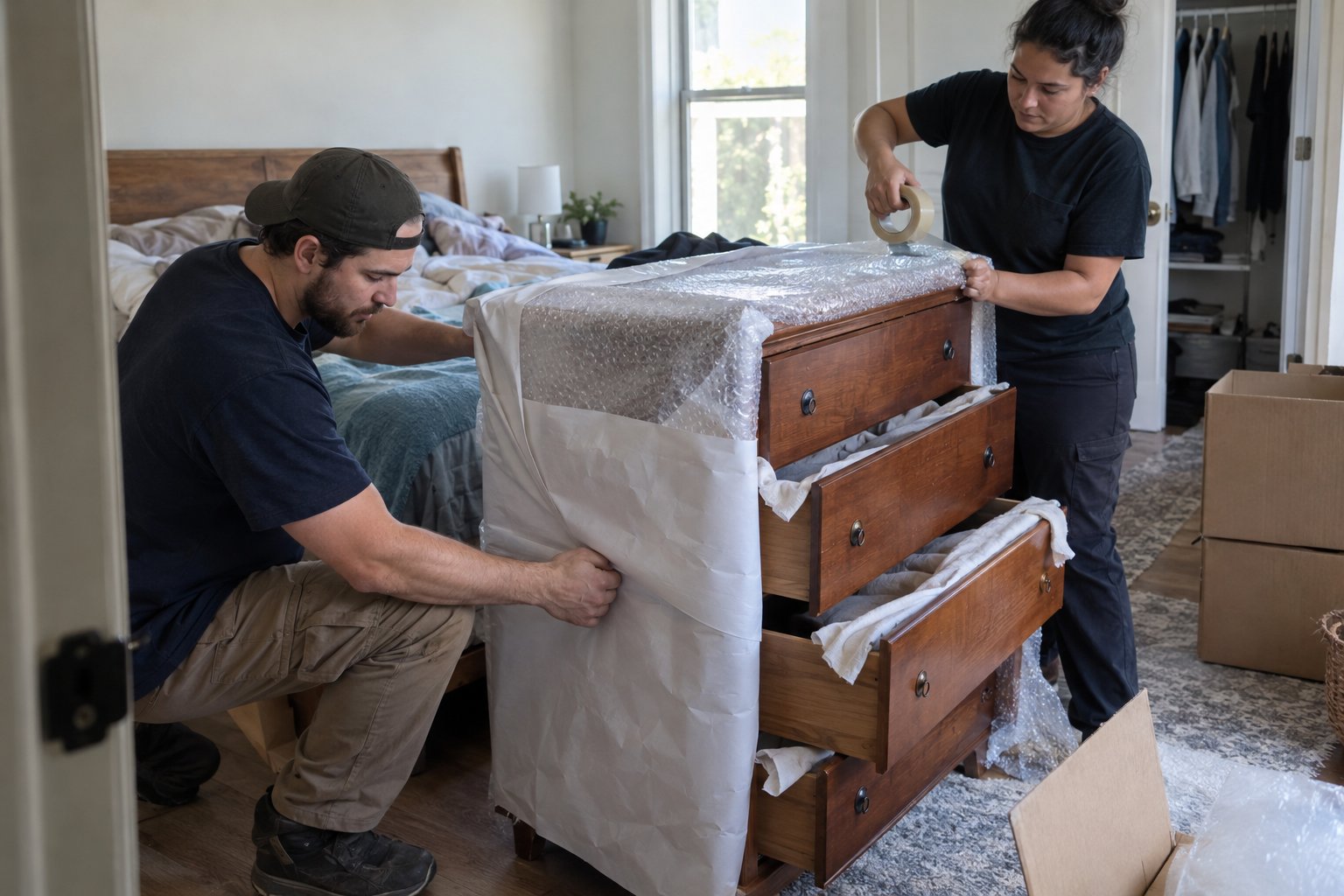
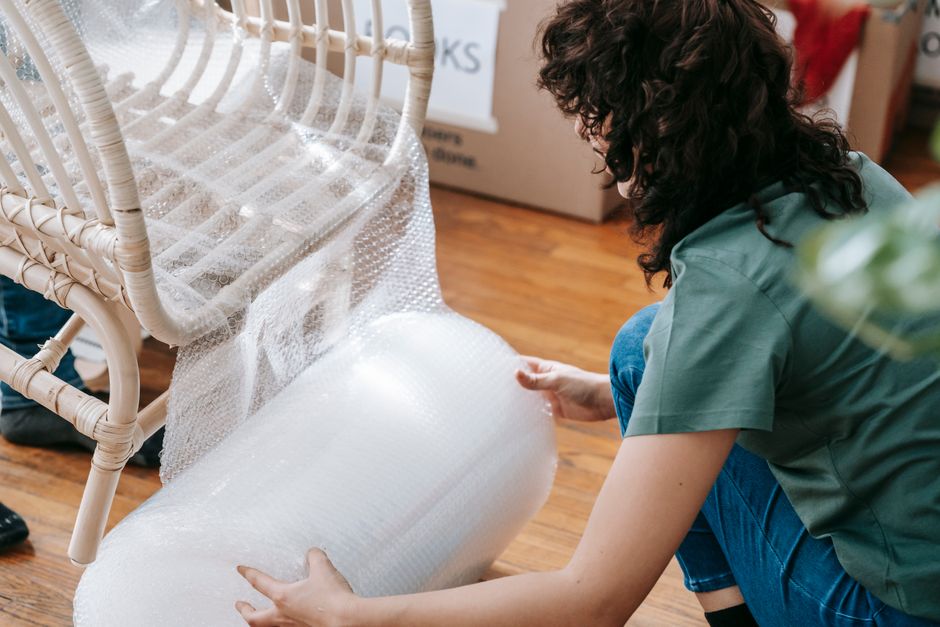
These should be wrapped in moving blankets or padded furniture pads rather than plastic wrap alone. Plastic wrap against wicker can trap moisture and, over a long move, begin to cause damage to the weave. Wrap each piece fully in a blanket, secure it with stretch wrap over the blanket, and load pieces so they are not stacked directly on top of one another. If cushions fit snugly into the seat or back of a chair, they can be left in place and wrapped with the furniture as a unit — just make sure the cushion fabric is clean and dry first.
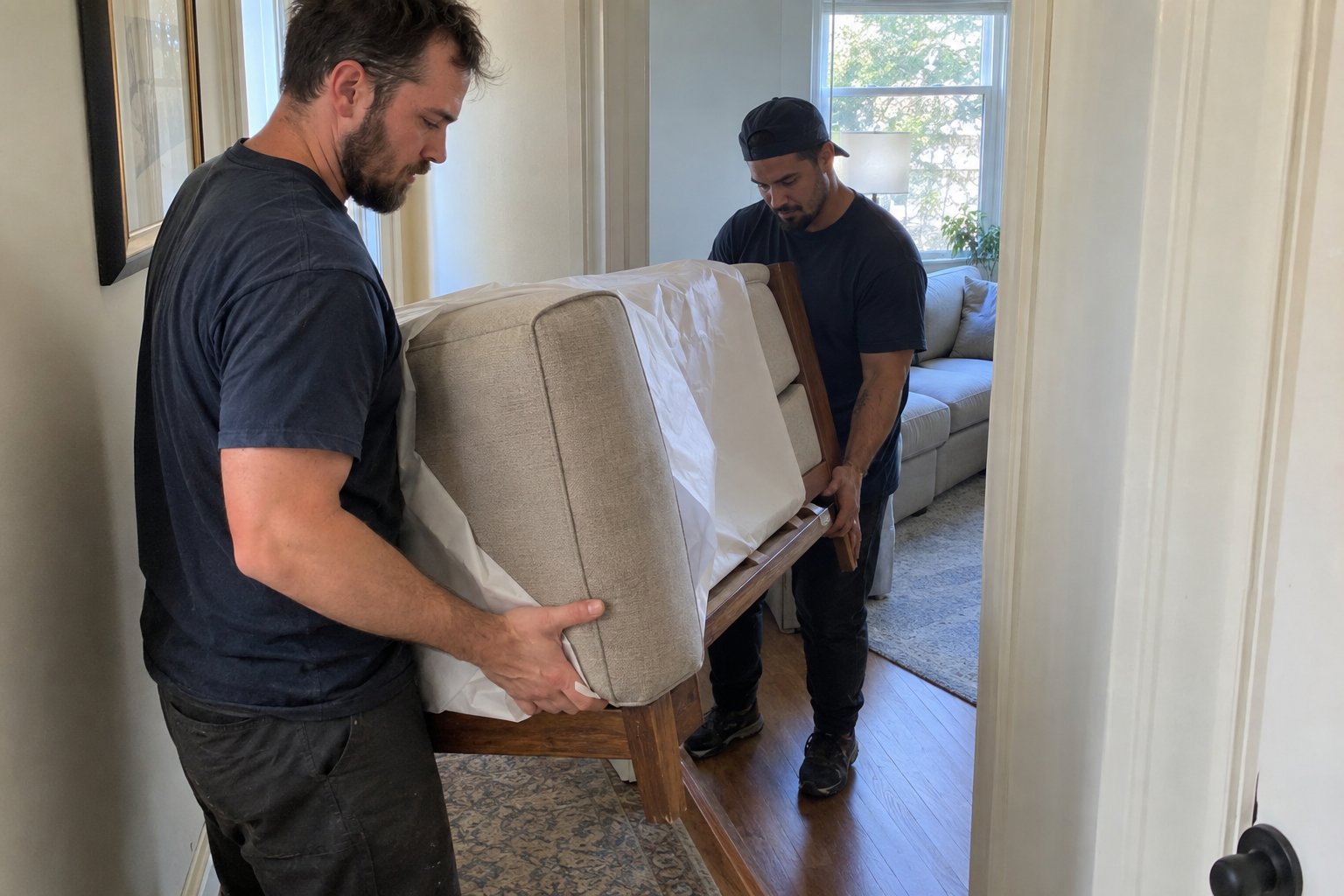
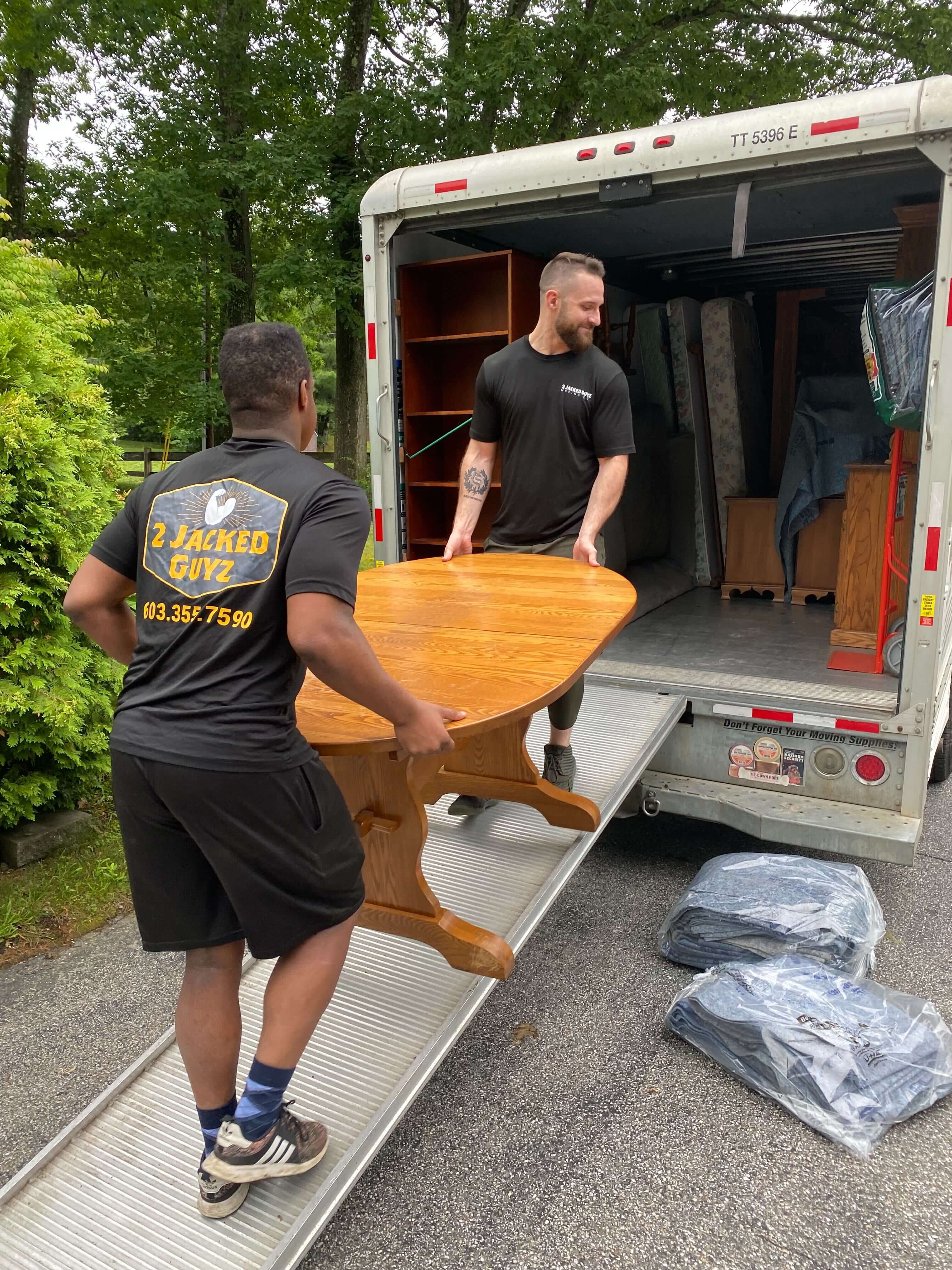
Protect ornate scrollwork and sharp edges with foam edge protectors or strips of cardboard secured with tape. Moving blankets work well for wrapping the full piece. Wrought iron furniture is extremely heavy, so plan your carry path carefully before you begin and always use a second person — do not attempt to solo-carry wrought iron chairs or tables across uneven surfaces or steps.
If your sunroom has a glass-top table, remove the glass panel completely before moving the base. Wrap the glass in at least two layers of packing paper, followed by a full wrap in moving blankets, and transport it vertically if at all possible. Flat glass transported horizontally is far more likely to flex and crack than glass standing on edge. Label the package clearly so no one attempts to lay it flat or stack anything on top of it.
Sunrooms tend to collect some of the most visually interesting — and most fragile — decorative items in a home. Wind chimes, hanging lanterns, ceramic pots and urns, glass vases, terracotta figures, and decorative tile pieces all require individual attention before they go anywhere near a moving box.
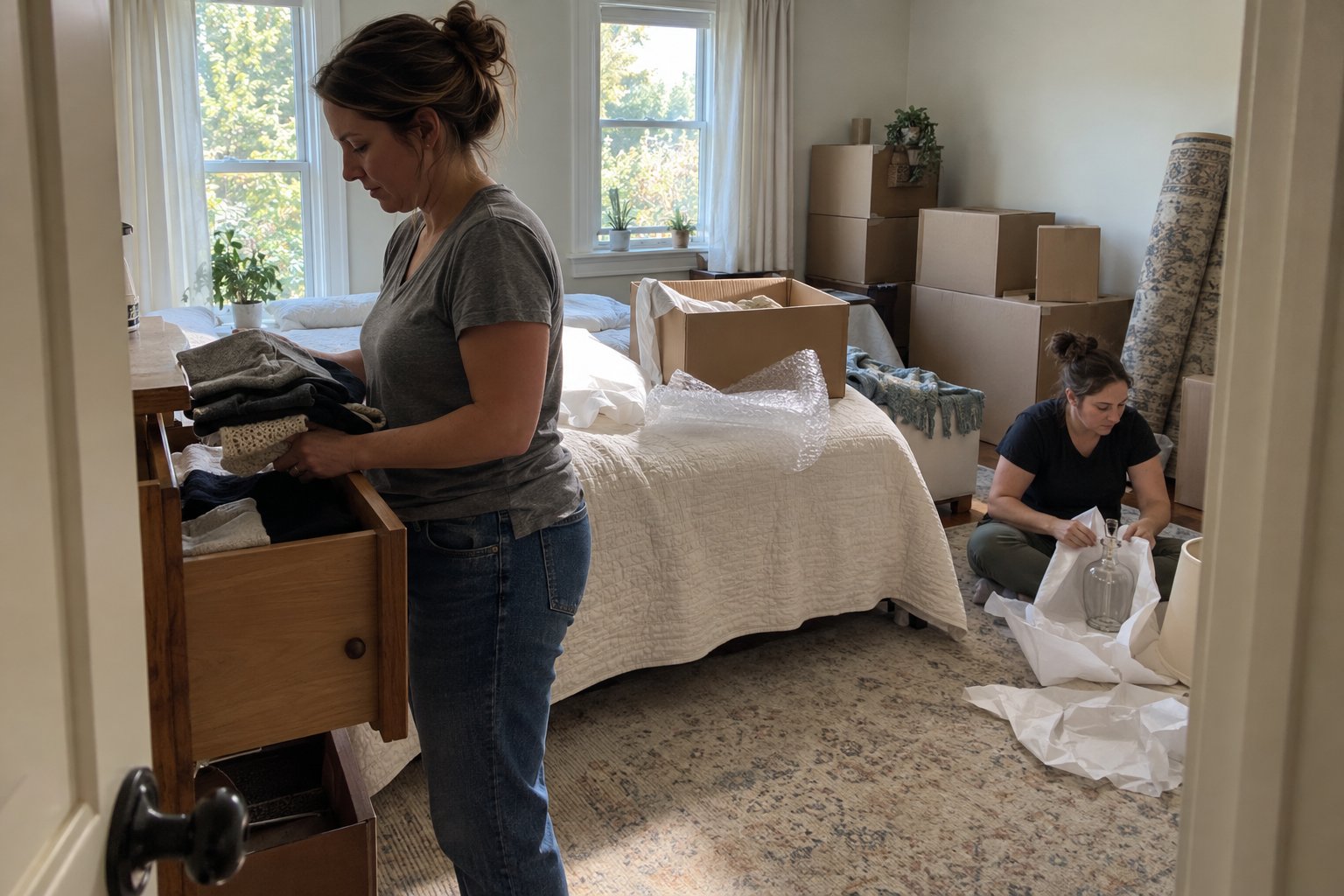
Wrap each piece individually in two to three sheets of packing paper, then add a layer of bubble wrap for anything with significant value or sentimental importance. Pack ceramics into small or medium boxes — never large ones, since a heavy box of ceramics becomes a handling nightmare and increases the risk of impact damage. Fill all empty space inside the box with crumpled paper or foam peanuts so nothing can shift in transit. Write "FRAGILE" on all four sides of the box and mark the top clearly.
Remove all hanging items well before moving day and set them aside in a staging area. Wind chimes should be bundled gently together with twine or a twist tie to prevent tangling, then wrapped in paper and packed into a box with cushioning on all sides. Hanging lanterns with glass panels should have each glass panel removed or taped carefully before the full lantern is wrapped in a moving blanket or several layers of paper.
Sunrooms often have lightweight curtain panels, roll-down shades, or bamboo blinds that are easy to overlook until the last moment. Take these down early, launder or wipe them down if needed, and fold them flat for packing. Bamboo or wooden blinds should be wrapped in paper and packed flat in a wardrobe box or a large, flat box to prevent warping or cracking during transport.
Outdoor and sunroom cushions are bulky, awkward, and often surprisingly heavy when fully compressing a box. The good news is that they do not require much protective packaging — they are their own padding. The challenge is transporting them without letting them take up disproportionate space in the truck.
Vacuum storage bags are an excellent solution for cushions, throws, and fabric items from a sunroom. A large cushion that would normally fill half a medium box can be compressed to a fraction of its size, stacked flat, and loaded efficiently. Just make sure cushions are completely dry and clean before sealing them — any moisture trapped inside a vacuum bag over the course of a move can lead to mildew that is very difficult to reverse.
Seasonal items stored in the sunroom — outdoor string lights, holiday decorations, garden tools, bird feeders — should be packed into clearly labeled boxes by category. String lights are best coiled loosely around a piece of cardboard and packed in a box with some cushioning rather than crammed into a bag where they will inevitably tangle beyond recovery.
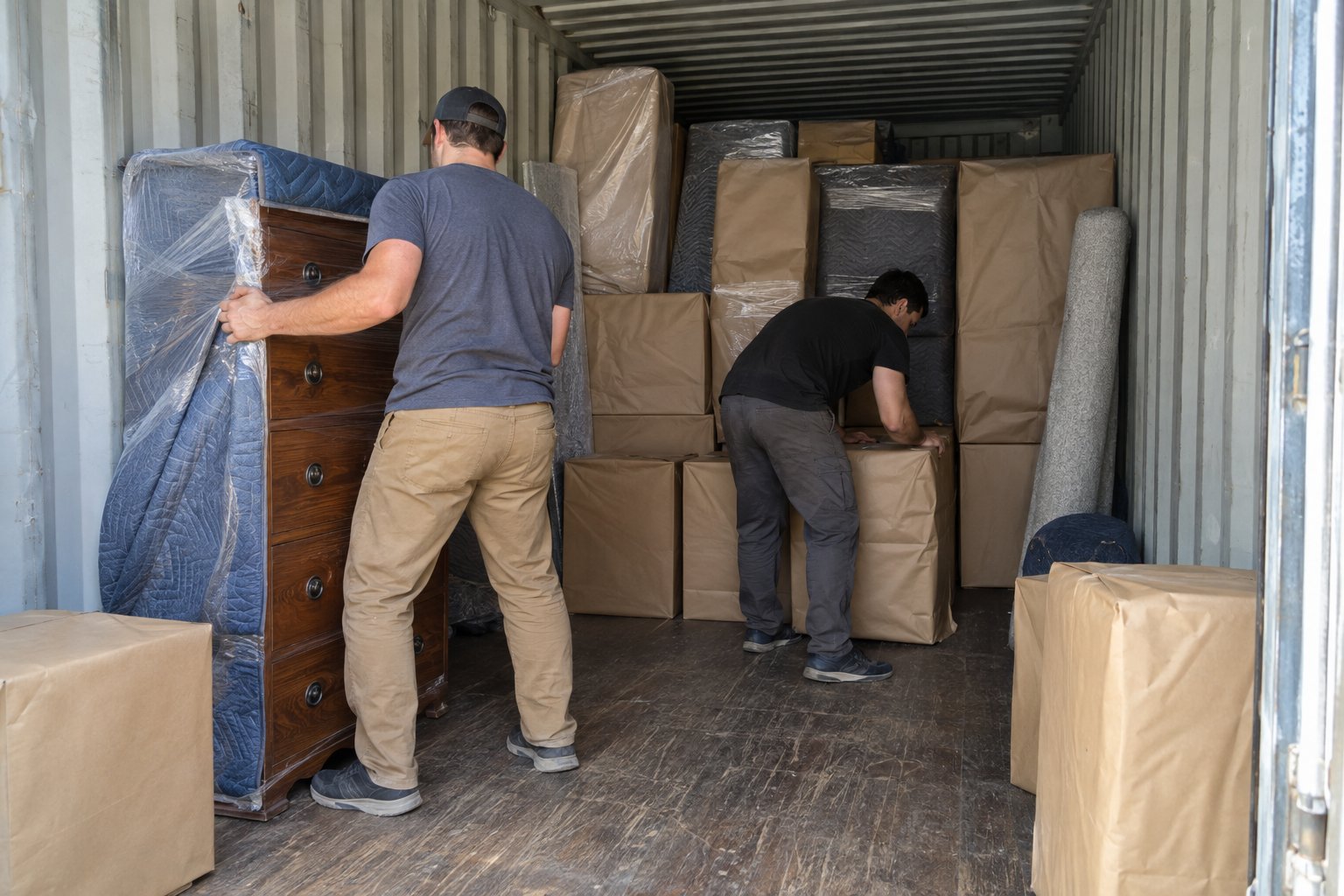
When the truck arrives, the sunroom should be one of the last areas loaded, not the first. Furniture from the main living spaces, heavier appliances, and bedroom pieces should go in first, with the lighter, more fragile sunroom items loaded toward the back and top of the truck where they are accessible and protected from being crushed under heavier loads.
Glass panels and fragile ceramic pieces should ride upright and secured against a stable surface — never flat on the floor of the truck where they can flex and crack. Use furniture blankets as padding between items, and use load bars or rope ties to prevent furniture from shifting during transit.
If you want moving professionals who handle every aspect of packing and loading with care and experience, 2 Jacked Guyz brings the expertise and equipment to make sure your sunroom items arrive exactly the way they left.
Request a personalized quote and see how careful planning and reliable service make every move smoother. Our team prepares each step to handle challenges safely and efficiently.
Yes. Wicker and rattan should be wrapped in moving blankets or padded furniture pads rather than plastic wrap alone, which can trap moisture against the weave. Secure the blankets with stretch wrap over the top, and avoid stacking pieces directly on top of each other in the truck. Cushions that fit snugly into the seat can be left in place and wrapped as a single unit as long as they are completely clean and dry.
It is generally better to transport plants in a climate-controlled personal vehicle rather than a moving truck. Stop watering plants a couple of days before the move to reduce soil weight and prevent leakage, wrap the base of the pot loosely in plastic to contain loose soil, and pack them upright with newspaper or padding around them to prevent tipping. If you are moving across state lines, check regulations first — some states restrict certain plant species.
Wrap each ceramic or terracotta piece individually in two to three sheets of packing paper, then add a layer of bubble wrap for anything valuable or fragile. Pack them in small or medium boxes — not large ones — and fill all empty space with crumpled paper or foam so nothing shifts. Mark every side of the box with 'FRAGILE' and keep the top clearly labeled so nothing heavy gets stacked on it during loading.
Remove the glass panel completely from the table base before moving anything. Wrap the glass in multiple layers of packing paper followed by a moving blanket, and transport it vertically rather than flat — glass lying horizontal is much more prone to flexing and cracking. Label the package clearly on all sides so no one attempts to lay it flat or set anything on top of it during the move.
Sunroom items should generally be loaded last, toward the back and upper portion of the truck, not first. Heavier furniture and appliances from the rest of the house go in first against the cab wall. Lighter, more fragile sunroom pieces loaded last are more accessible, less likely to be crushed, and easier to unload first at the destination. Glass panels and ceramics should always ride upright and secured, never flat on the truck floor.
No long forms, no delays. Just a move that’s ready when you are. Secure your moving date today.