
Learn how to pack and move a playroom the right way — toys, play structures, activity tables, and all the chaos in between. Tips from 2 Jacked Guyz movers.
Figuring out how to pack and move a playroom is one of those moving challenges that almost every parent underestimates — until moving day arrives and you are standing in a room surrounded by a disassembled indoor climbing structure, seventeen bins of building blocks, a train table bolted together with forty-eight pieces of wooden track glued into a permanent layout, a toy kitchen the size of a small appliance, a mountain of stuffed animals, and enough loose Lego bricks to make every barefoot step a genuine hazard. The playroom sits at the intersection of high volume, low organization, and surprisingly heavy furniture, and that combination makes it one of the most time-consuming rooms in the entire house to dismantle, sort, and transport safely.
The good news is that packing and moving a playroom — even a large, fully loaded one with indoor play structures, activity tables, and years of accumulated toys — is completely manageable when you approach it with the right materials, the right sequence, and a clear understanding of what each category of item actually needs. And if you would rather hand the heavy lifting to professionals who know how to handle everything from a freestanding play kitchen to a multi-piece wooden climbing structure, the team at 2 Jacked Guyz professional movers is ready to take it from overwhelming to done.
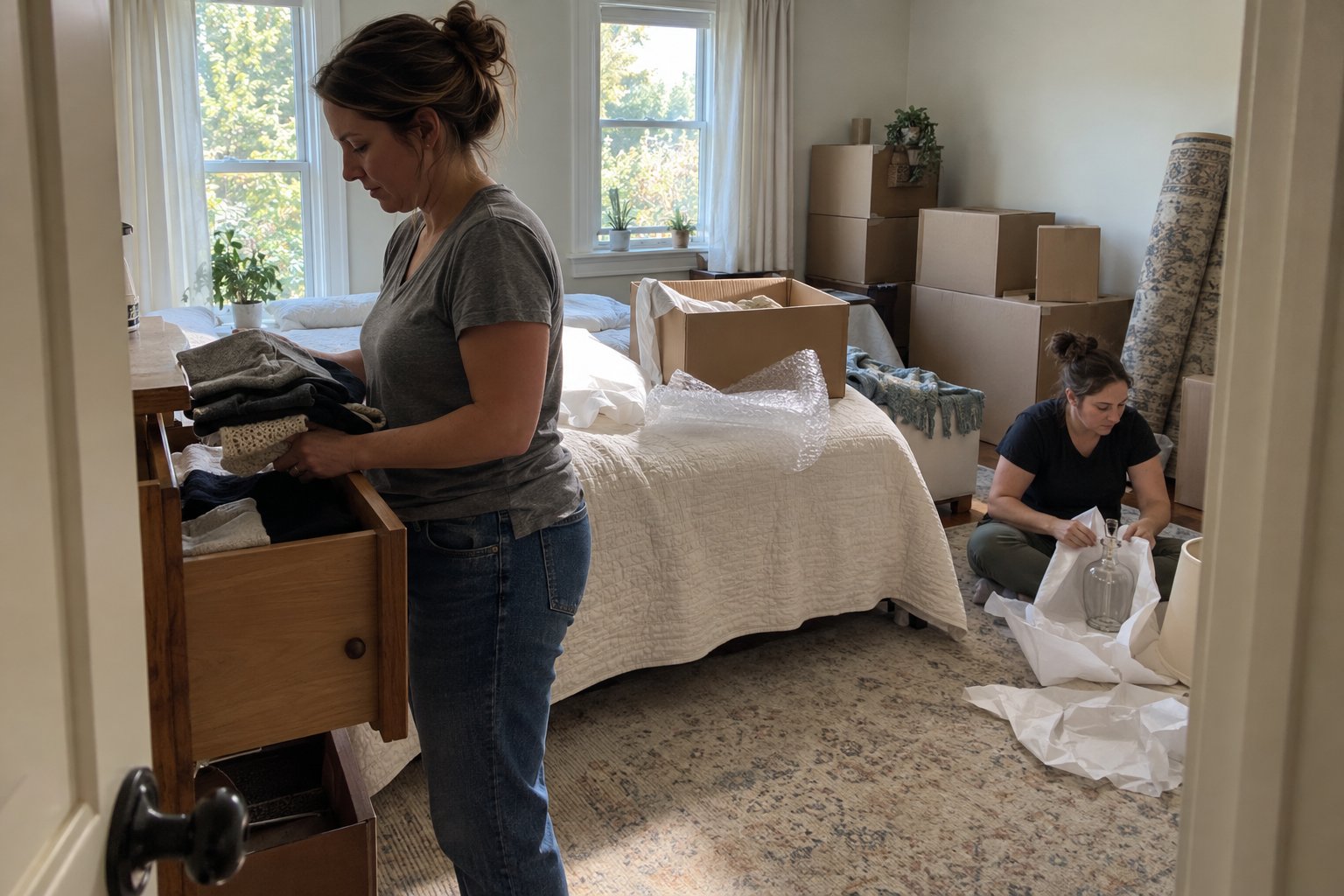
Before you reach for a single box or start pulling batteries out of noise-making toys, walk through the playroom slowly and take a genuine, honest inventory of everything that lives there. Playrooms have a way of accumulating toys, games, and gear that your children have long since outgrown — and the actual volume of what could potentially make the move is almost always larger than what actually should.
As you walk through, sort everything into three clear categories: move it to the new home, donate or pass it along, and discard it responsibly. That ride-on car with the cracked seat and missing battery cover, the puzzle missing twelve pieces, the baby bouncer that no child in the house has used in three years — all of these deserve a hard look before you commit to packing and hauling them. Moving is the single best opportunity you will have to reset the playroom, and starting fresh means only what your children genuinely use and love makes the trip.
Once you have a clear picture of what is moving, group everything into categories: large play structures and furniture, activity tables and sensory items, electronic and battery-powered toys, books and puzzles, arts and crafts supplies, stuffed animals and soft toys, and general loose toy collections. Having those groups defined before you start packing keeps the process organized and dramatically reduces the chance that small pieces end up scattered, lost, or crushed under something heavier.
Large play structures — indoor climbing domes, slide-and-climber combos, wooden loft-style play sets, foam obstacle courses — are the heaviest and most logistically complicated items in a playroom. They deserve their own dedicated plan before anything else gets touched.
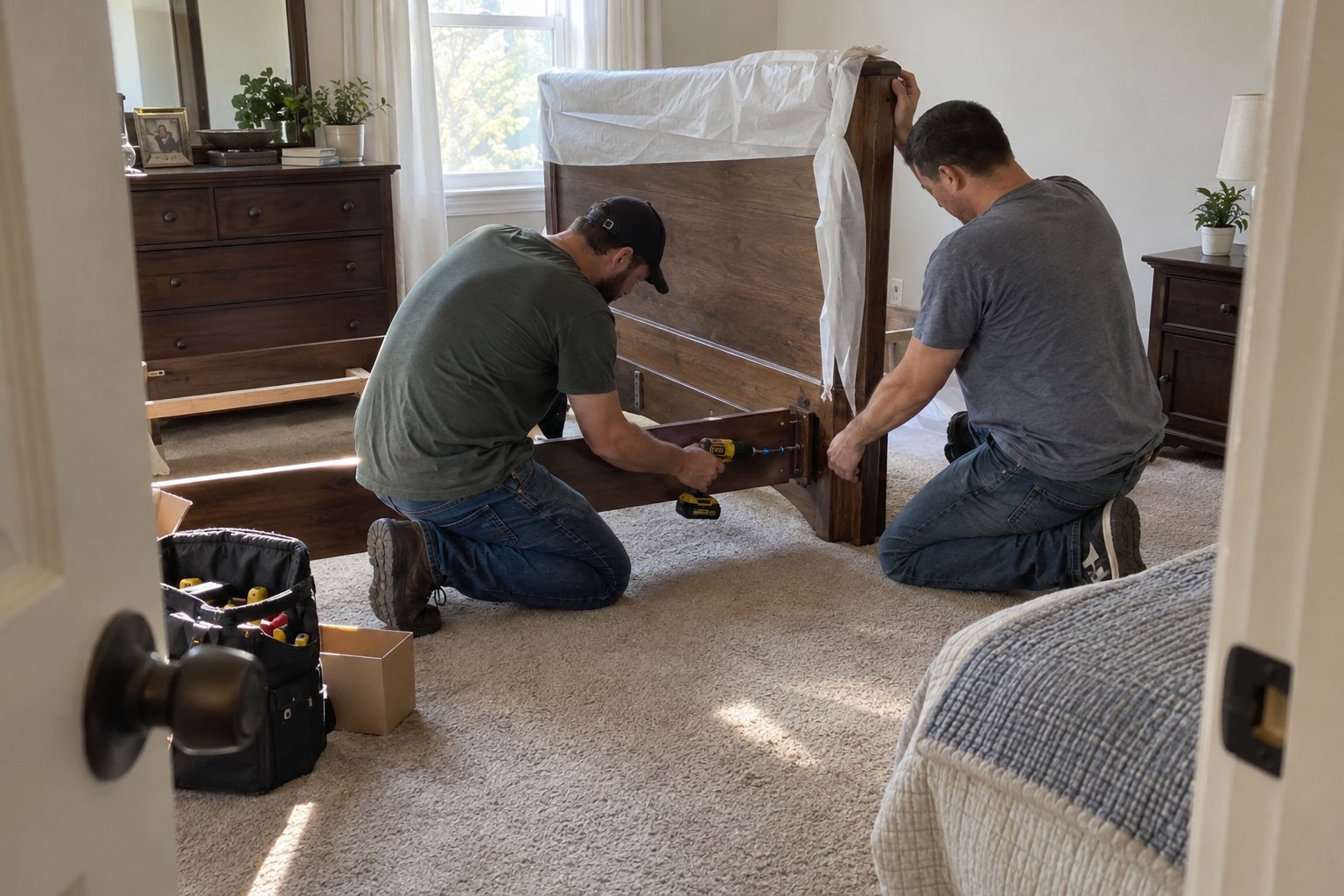
Most indoor play structures are assembled with bolts, wing nuts, and connecting pins, and they can be disassembled in reverse order of how they went together. Before you remove a single bolt, photograph every connection point, every panel, and every angle of the assembled structure. If the original assembly manual is available, locate it now — either the physical copy or a digital version from the manufacturer's website. Label every bolt, nut, and connecting piece in a labeled zip-lock bag and tape that bag directly to the largest panel of the structure so hardware and structure travel together and cannot be separated during the move.
Foam interlocking floor tiles and large play mats are bulky but lightweight, and they pack best when stacked flat and wrapped in a single layer of stretch wrap to keep the set together as a unit. If the foam tiles are numbered or color-coded in a pattern, photograph the layout before you pull a single tile. A large contractor bag works well as a secondary wrap to keep foam tiles clean and dust-free during transport.
Activity tables, sensory bins, water tables, and play kitchens occupy a category all their own — they are large enough to be furniture, fragile enough to crack under pressure, and often contain removable components, attached accessories, and play materials that need to be separated before the table itself can be moved.
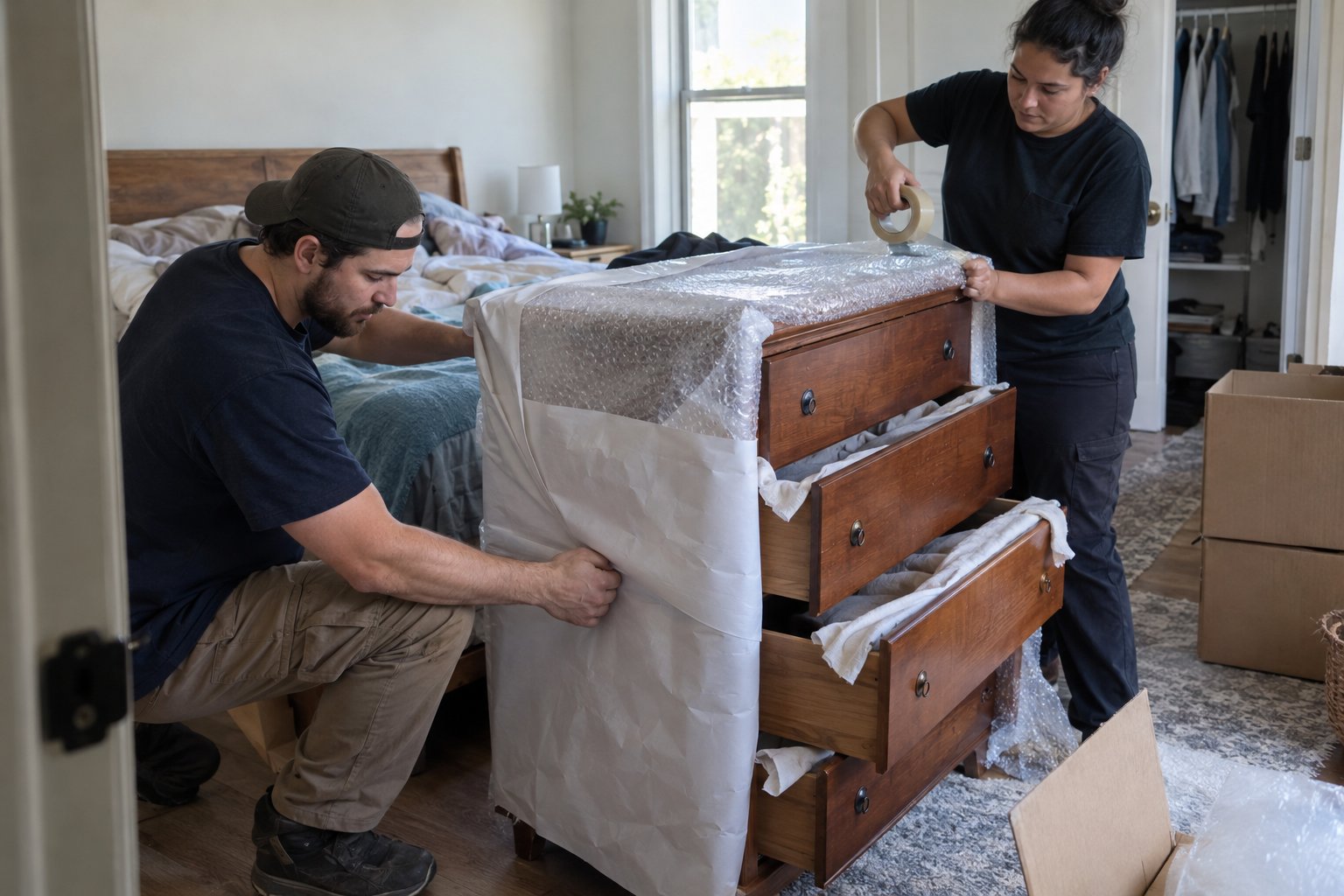
Train tables and activity tables are almost always heavier than they look, especially those with solid wood frames and built-in storage drawers underneath. Before moving a train table, remove any track, accessories, and storage bins from the table surface and from the drawers. If the table legs unscrew, remove them — this dramatically reduces the risk of leg damage during transport and makes the table far easier to maneuver through doorways and down stairs. Wrap exposed tabletop surfaces in furniture pads or moving blankets to prevent scratches, and secure the padding with stretch wrap rather than tape directly on the surface.
Large plastic play kitchens, workbenches, and grocery stores are lightweight relative to their size, but they are awkward to carry and prone to cracking at stress points — particularly around hinged doors, knobs, and thin plastic panels — when force is applied unevenly. Remove all doors, knobs, and removable accessories before moving. Pack loose accessories in a labeled bin or bag that stays with the kitchen piece. If the kitchen is taller than it is wide, consider whether it can be laid on its side for transport — most can, as long as hinged compartments are taped shut first to prevent swinging open mid-move.
The bulk of a playroom move is made up of smaller items — individual toys, board games, books, puzzles, art supplies, and loose collections — and these categories benefit enormously from a simple, consistent system before you start packing.
Small building pieces are the category most likely to cause problems if packed carelessly. Loose Lego bricks or other small building elements poured directly into a large box become nearly impossible to sort later, and they create a surprisingly heavy, awkwardly dense load that can burst the bottom of a standard box. Instead, use gallon-sized zip-lock bags to portion loose pieces into manageable groups, then pack those bags into a small or medium box lined with a layer of packing paper at the bottom for cushioning. Do not overfill boxes with small dense pieces — keep each box under thirty pounds to protect the box's structural integrity.
Board games and puzzles should be packed upright — on their edges, like books — rather than stacked flat. Stacking flat puts the full weight of each box on the one below it, which can warp lids, crush corners, and cause puzzle pieces to burst through damaged box seams. Before packing, seal each game and puzzle box with a strip of painter's tape across the lid to prevent pieces from spilling inside the box during transport. Pack games and puzzles in medium boxes and fill any empty space at the top with crumpled packing paper so items cannot shift.
Arts and crafts supplies require a bit of extra sorting before packing. Liquid paints, glue, and art mediums should be checked for seal integrity — any bottle that is not fully sealed should be placed in a zip-lock bag before packing to contain any spills. Markers, colored pencils, and crayons pack well in their original containers or in labeled pencil cases; loose writing tools dumped into a box have a way of ending up uncapped and damaged. Roll of washi tape, scissors, and small tools pack best in a small box or supply bin with a lid. Pack all craft supplies in boxes that can be sealed completely — open-top bins tend to spill during loading and unloading.
Stuffed animals and soft toys are easy to underestimate as a packing project — because each one is light, it is tempting to just throw them all into a large box and call it done. The problem is that large boxes of stuffed animals can quickly become unmanageably heavy and unwieldy, and very large stuffed animals do not fit neatly into standard boxes at all. Large garbage bags or vacuum storage bags work well for soft toys and stuffed animals — vacuum bags in particular compress the volume dramatically and keep everything clean and dry. Label each bag clearly so children can locate their favorites quickly after the move.
On moving day, the playroom benefits from a specific loading strategy that keeps the process efficient and prevents small items from getting lost or damaged in the shuffle.
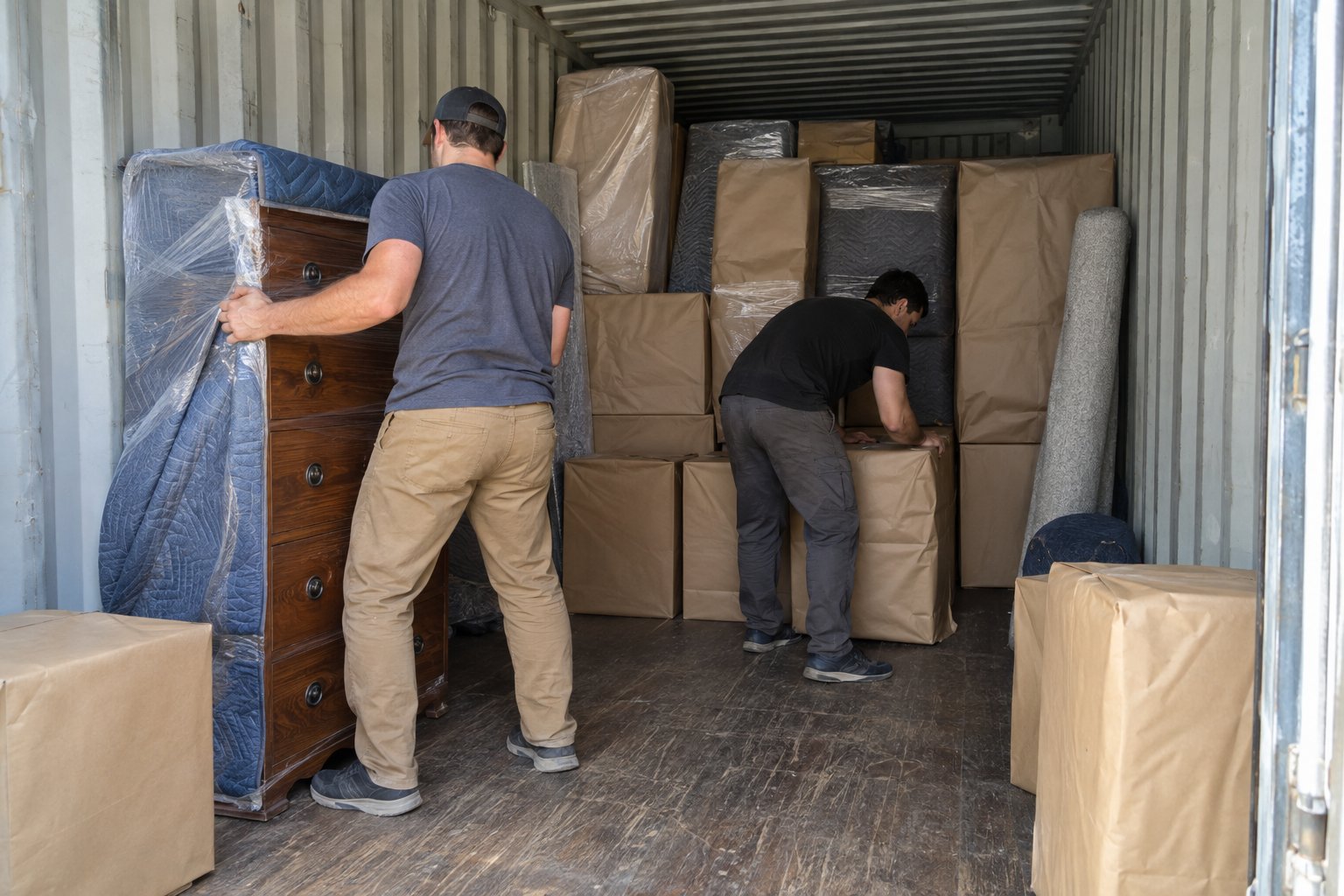
Load large play structures and play furniture first — these items go into the truck first, against the back wall, and serve as the anchor for the rest of the load. Activity tables, play kitchens, and wooden structures should be protected with moving blankets and positioned so nothing is stacked directly on top of them. Boxes of small toys, games, and books load after the large furniture and should be stacked no more than two to three boxes high to prevent the bottom boxes from collapsing under weight.
Keep one clearly labeled essentials box — or a bin with a lid — that goes into the new home first and gets unpacked first. Fill it with a small selection of favorite toys, a few books, and any comfort items your children rely on. Having immediate access to something familiar can make the transition significantly easier for young children who may find moving day disorienting.
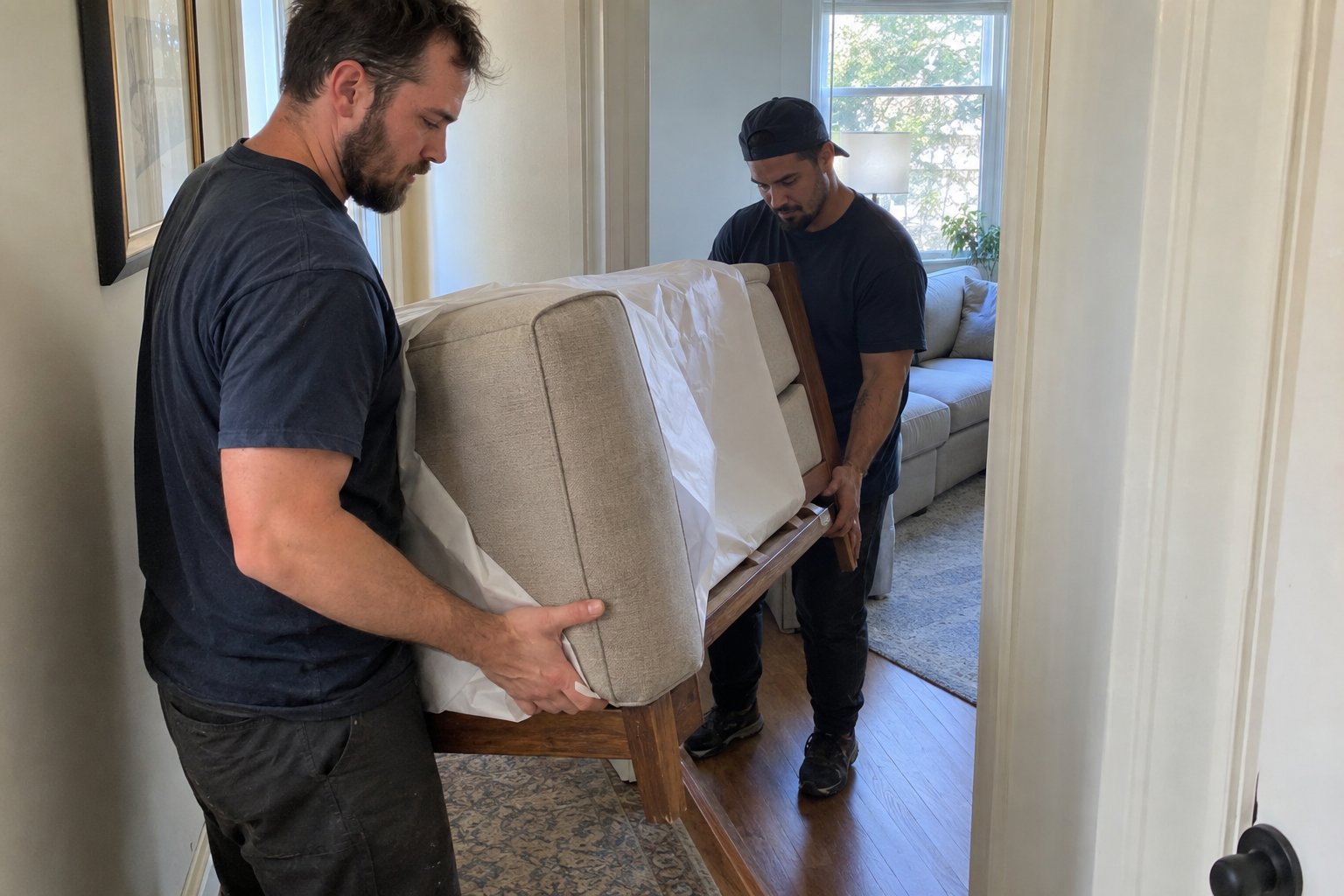
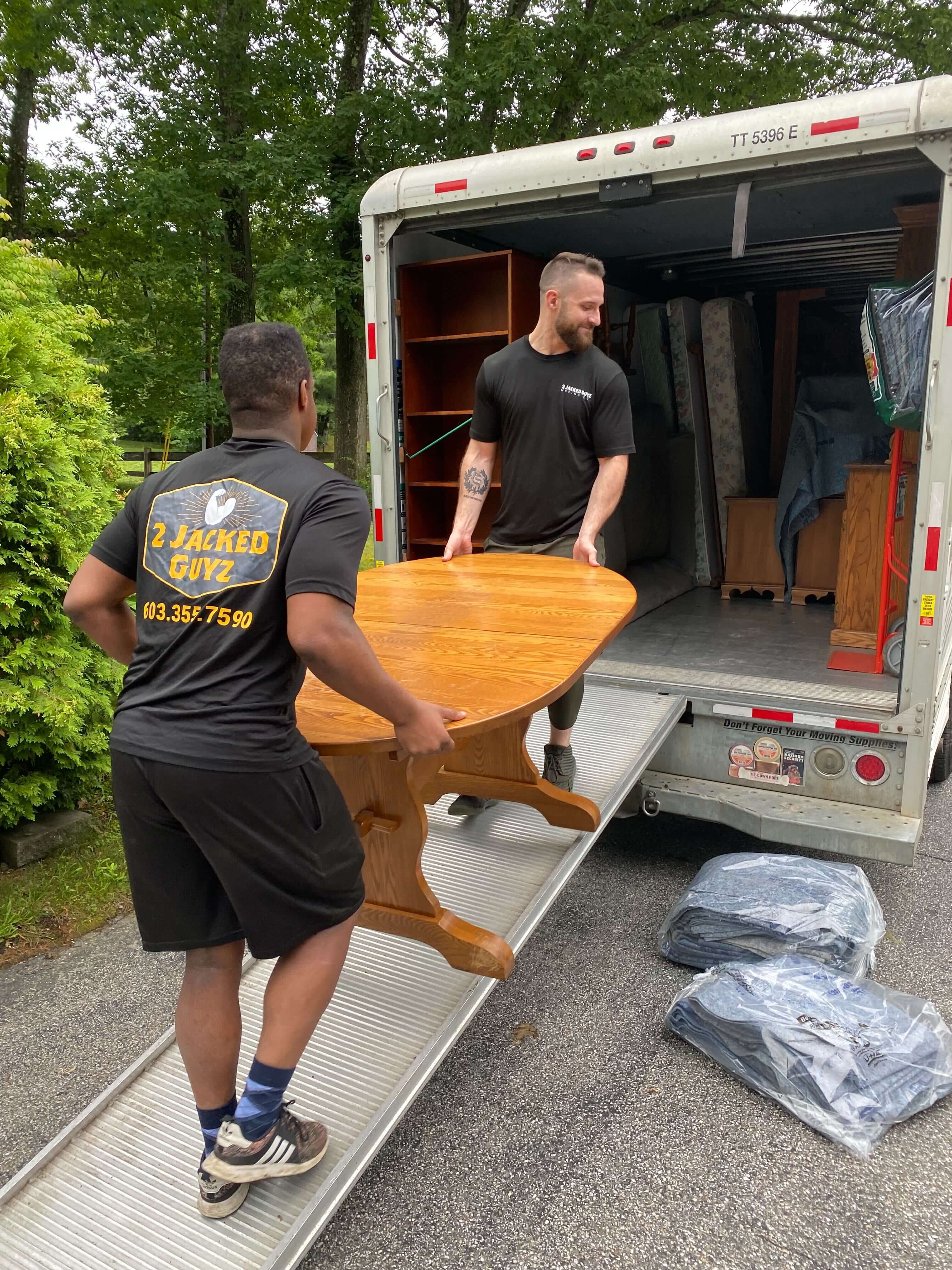
If the playroom is on an upper floor at either the current home or the new one, make sure stairways are cleared and protected before large play structures and activity tables are carried through them. Furniture pads on banisters and corner guards on walls can prevent damage during the carry. And if any play structure is simply too large or too awkwardly shaped to move safely through interior doorways and stairwells, the team at 2 Jacked Guyz professional movers has the experience and equipment to handle exactly that kind of challenge.
The playroom is one of the best rooms to prioritize during unpacking — not because it is the most complicated, but because getting it functional quickly gives younger children a familiar, comfortable space while the rest of the house is still in chaos. Start with the large play structures and furniture so that the room's layout is established, then unpack bins and boxes of toys into their designated storage locations. Reassemble train tables and activity tables before adding toys back onto or into them.
If you photographed the original layout of train tracks, block structures, or foam floor tiles, use those photos as a reference during setup — children often find the return to a familiar arrangement reassuring in an unfamiliar space. Take your time with reassembly of climbing structures and any play furniture with hardware; double-check that all bolts are tightened properly before allowing children to use the equipment.
Above all, give the playroom — and your children — a little grace during the settling-in period. The room may not look exactly the same as it did before for a few weeks, and that is completely fine. What matters is that the essentials are accessible, the space is safe, and the move is behind you.
Request a personalized quote and see how careful planning and reliable service make every move smoother. Our team prepares each step to handle challenges safely and efficiently.
The best approach is to sort small pieces into gallon-sized zip-lock bags before packing, then place those bags into a small or medium box lined with packing paper. Avoid pouring loose small pieces directly into a large box — they become impossible to sort and create a very heavy, dense load. Label each bag by type or set so unpacking is straightforward at the new home.
Yes — disassembling large indoor play structures before the movers arrive saves significant time and reduces the risk of damage to both the structure and your home's walls and doorways. Photograph every connection point before disassembly, keep all hardware together in a labeled zip-lock bag, and tape that bag to the largest panel so hardware and structure stay together. Locate the original assembly manual ahead of time to make reassembly easier.
Remove all doors, knobs, accessories, and loose components before moving. Pack accessories in a labeled bag or bin that travels with the kitchen. Tape hinged doors shut with painter's tape to prevent them from swinging open during transport. Protect any thin plastic panels with moving blankets, and consider whether the piece can be laid on its side for more stable transport in the truck.
Pack board games and puzzles upright — on their edges like books — rather than stacking them flat, which can warp lids and crush corners. Seal each individual game or puzzle box with a strip of painter's tape across the lid so pieces do not spill inside during transport. Pack games in medium boxes and fill any empty space at the top with crumpled packing paper to prevent shifting.
Absolutely. Professional movers with experience in specialty and heavy items can assess whether a play structure needs to be partially or fully disassembled to exit the home safely, carry large and awkward pieces through narrow doorways and stairwells without damaging walls or floors, and ensure everything is loaded securely in the truck. The team at 2 Jacked Guyz handles exactly these kinds of oversized, awkward playroom pieces as part of their full-service moving process.
No long forms, no delays. Just a move that’s ready when you are. Secure your moving date today.