
Learn how to pack and move a home library without damaging your books. Get expert tips on boxes, packing order, heavy loads, and transport from 2 Jacked Guyz.
Knowing how to pack and move a home library is something most people underestimate — until they try to lift a box stuffed with hardcovers and realize they cannot get it off the floor. Books are deceptively heavy, oddly shaped when stacked together, and surprisingly fragile when it comes to spine damage, moisture, and bent pages. Whether you have a modest shelf of paperbacks or a floor-to-ceiling collection built over decades, moving your books safely requires a plan that goes well beyond tossing them into whatever boxes are handy.
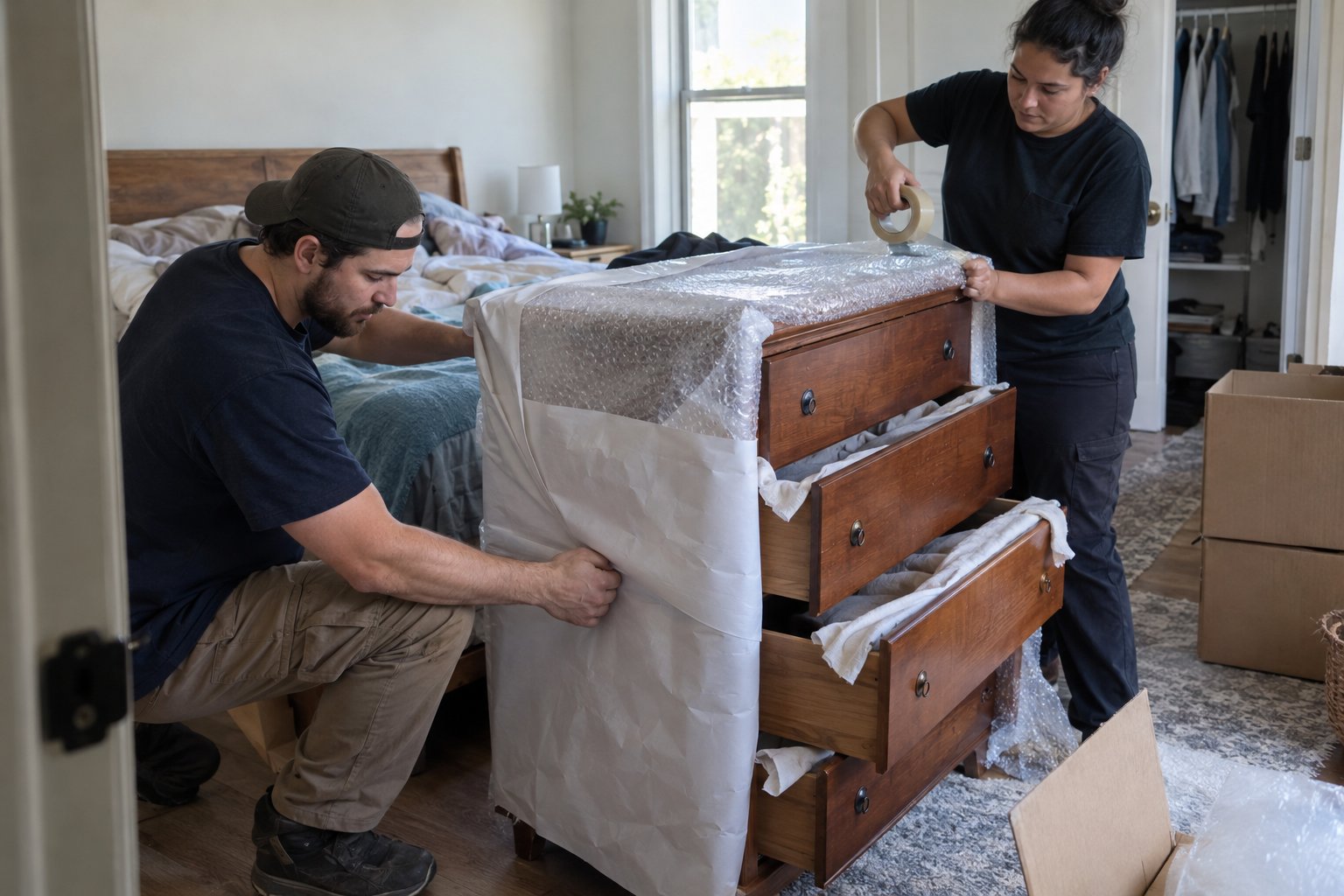
The good news is that with the right approach, your entire library can arrive at the new home in exactly the same condition it left. If the sheer volume of it all feels overwhelming, the team at 2 Jacked Guyz professional movers is experienced in handling large, heavy loads and is happy to take the stress off your hands.
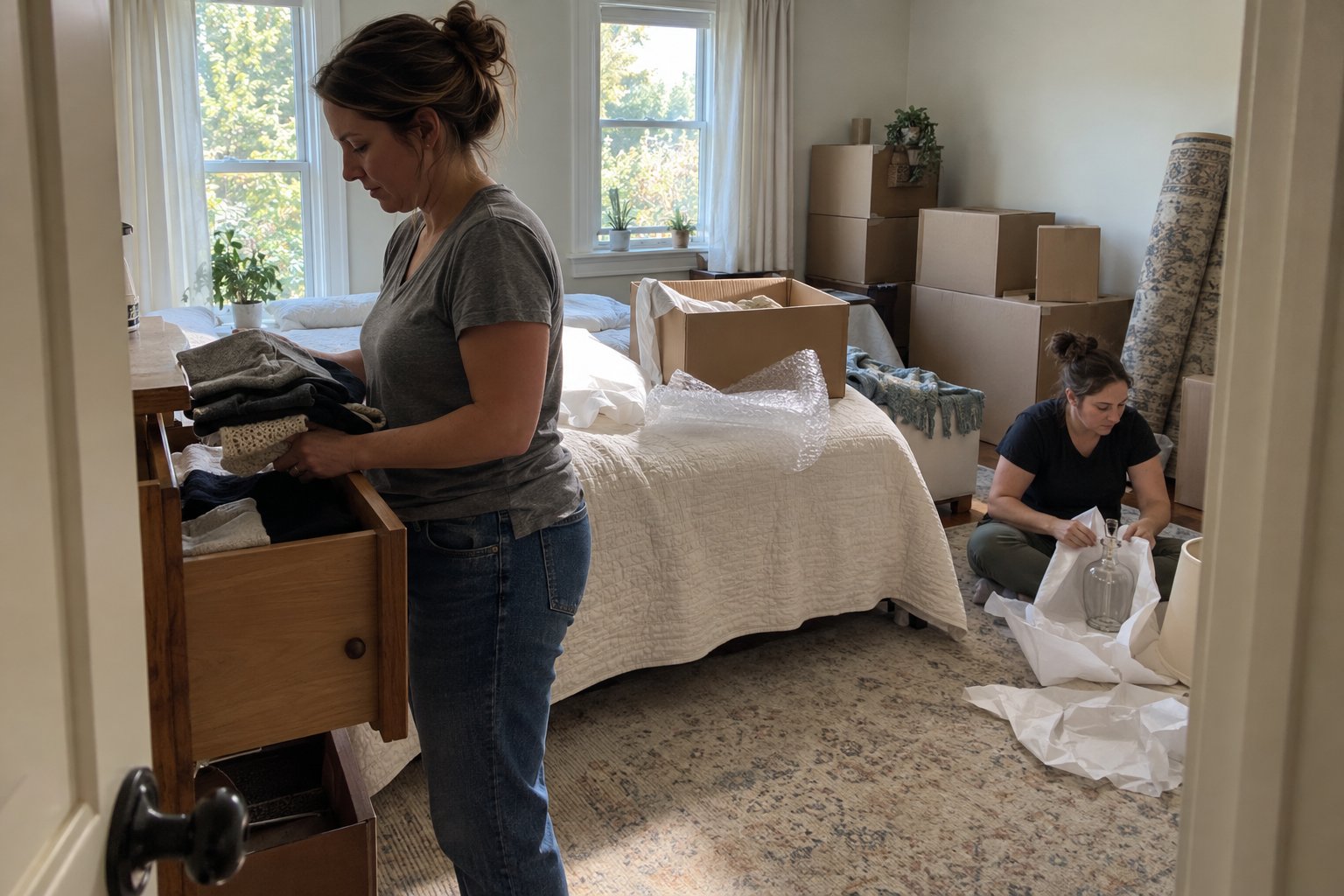
Before a single book goes into a box, do an honest audit of your collection. Moving is one of the best opportunities you will ever have to lighten your load, and books are among the heaviest things in any household. Separate your shelves into three categories: keep, donate, and discard.
Books you have not opened in years, duplicates, and titles you bought with good intentions but never read are all fair candidates for donation. Local libraries, thrift stores, Little Free Libraries in your neighborhood, and used-book shops will often take collections in good condition. Getting rid of even one or two boxes worth of books before moving day can save significant time, money, and back strain.
Once you know exactly what you are moving, you can estimate how many boxes you need and plan your packing strategy accordingly.
The single most common mistake people make when packing books is using boxes that are too large. A standard large moving box filled entirely with books can easily exceed 60 or 70 pounds, which risks injuring the people carrying it and risks the box itself failing mid-carry. The rule for books is simple: always use small boxes.
Look for boxes in the 1.5 cubic foot range — sometimes labeled "book boxes" or "picture boxes" at moving supply stores. These are intentionally compact so that even when packed densely, the total weight stays manageable. A good target is keeping each box under 30 to 35 pounds.
Liquor store boxes with interior dividers are a surprisingly effective free option — the dividers add structural rigidity that helps the box hold its shape under weight. Standard banker boxes (the kind used for office files) are another reliable choice because their lids and bases are reinforced for heavy contents.
Avoid plastic storage totes for anything more than a short local move. While they seem sturdy, stacked plastic totes can crack under concentrated book weight, and the lids can bow outward, making them difficult to stack safely on a moving truck.
The way books are oriented inside the box determines whether they arrive with bent spines, creased covers, and folded pages — or in perfect condition. There are three accepted packing orientations, each suited to different situations.
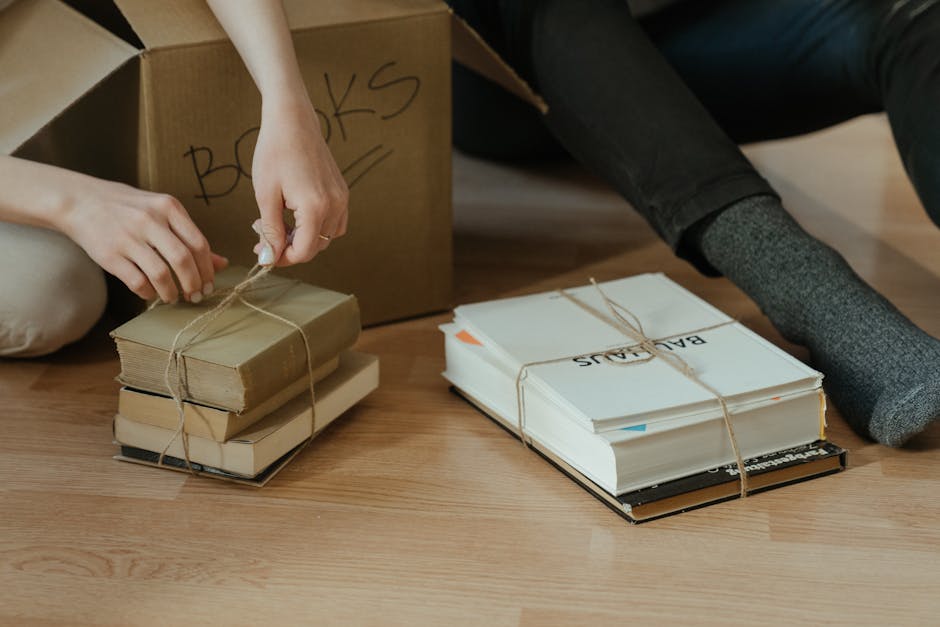
Stand books upright in the box the same way they sit on a shelf, spine facing down toward the box base. This is the gentlest method because the spine — the most structurally important part of a bound book — is not bearing weight from above and is not compressed from the side.
Large coffee table books, art books, and oversized paperbacks pack best lying flat, stacked horizontally. Lay the heaviest and largest titles at the bottom of the box, and place progressively lighter volumes on top. Never lay a book face-down with the front cover bearing the full weight of the stack above it.
For paperbacks and mass-market novels, packing them with the spine pressed firmly against the side of the box and pages facing inward is a common and space-efficient method. Just make sure they are standing fully upright and not leaning at an angle, which can permanently warp the covers and pages over time.
Empty space inside a book box is the enemy. When books shift during transport, corners dig into covers, spines twist, and pages get bent. Fill any remaining gaps with crumpled packing paper, bubble wrap, or even folded towels and linens. Press down gently on the top of the packed box — it should feel firm and solid, not spongy.
Random packing might seem fine in the moment, but it creates headaches on the other end when you are trying to reassemble your shelves. A little organization before you seal each box saves hours of sorting later.
Group books the same way they live on your shelves. If you organize by genre, pack fiction separately from nonfiction. If you organize by author or subject, keep those groupings intact. Label each box on the top and at least one side with both the contents category and the destination room.
Pack the books you reach for most often — bedside reading, reference books, children's books in daily rotation — in a clearly labeled box that gets loaded last onto the truck and unloaded first. This way you are not tearing through ten sealed boxes on your first night in the new place looking for the book you are halfway through.
For very large collections, consider numbering your boxes and keeping a simple numbered list noting which titles or categories are in each one. This is especially useful for reference libraries, academic collections, or anything where knowing the exact location of a specific book matters.
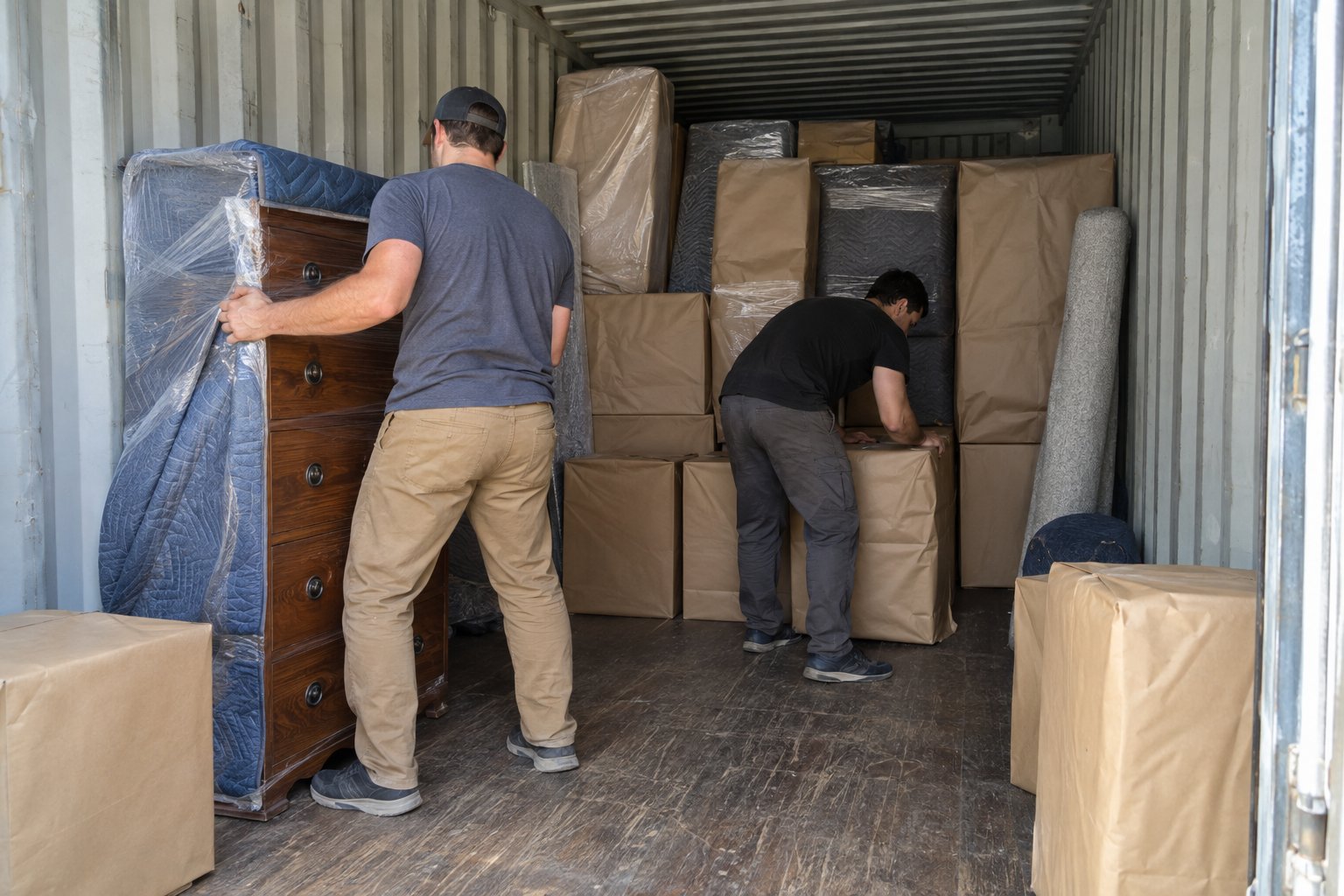
Even perfectly packed book boxes can be damaged during transport if they are not loaded properly onto the moving truck. A few smart loading practices make a meaningful difference.
Stack book boxes on the truck floor rather than on top of soft items like mattresses or cushions, which can compress unevenly and cause the boxes to tip. Book boxes are dense and heavy enough to stay stable on a flat surface, and their weight low in the truck actually helps with overall load balance.
Do not stack book boxes more than three or four high. While the boxes themselves may be sturdy, the cumulative weight of a tall stack can eventually compress and collapse the bottom box, damaging both the box and the books inside.
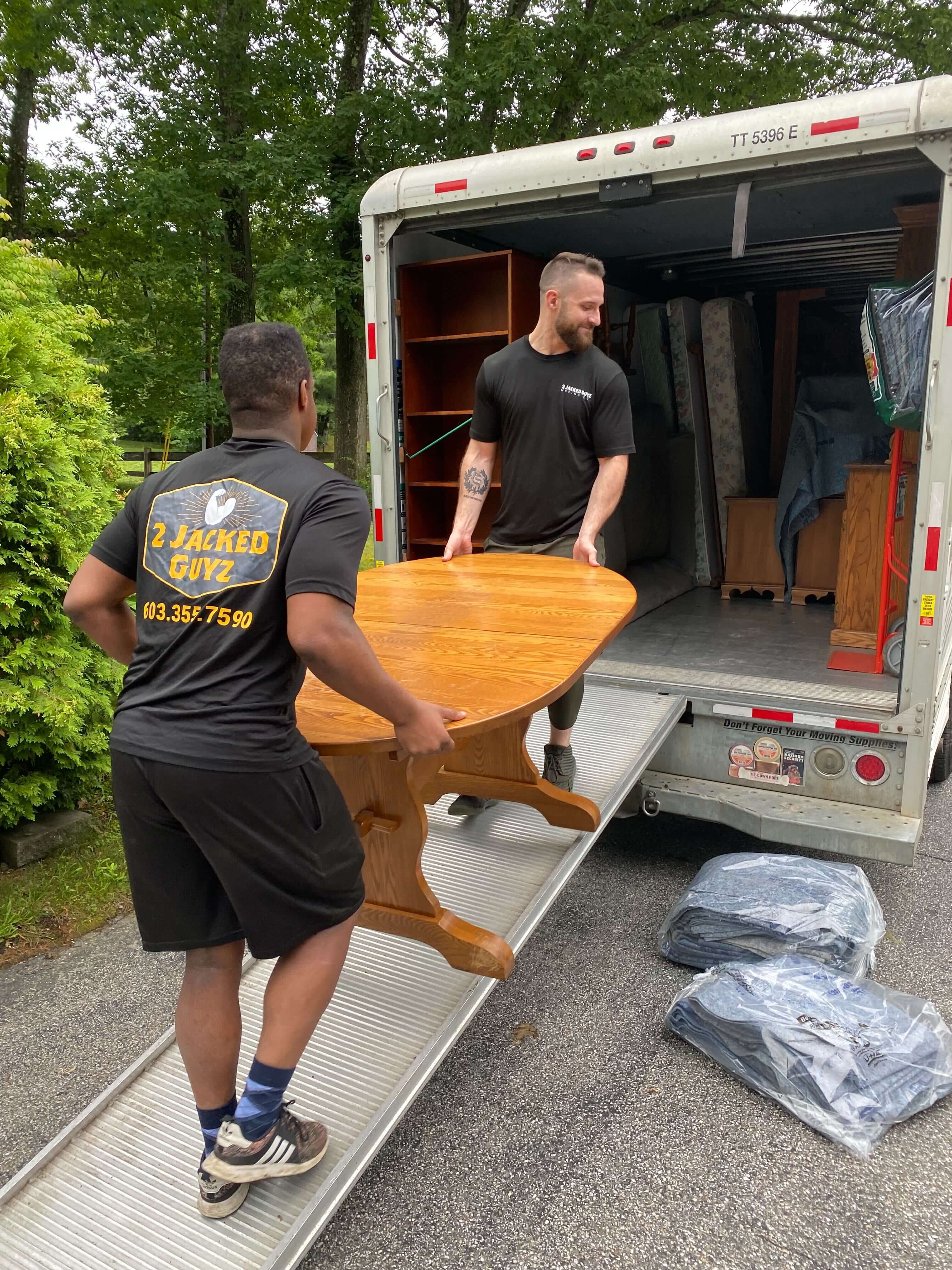
If you are using a professional moving service, let the crew know which boxes contain books so they can factor the weight into how they build their truck load. The team at 2 Jacked Guyz — get a free quote is skilled at loading efficiently and safely, making sure heavy boxes like book collections are positioned securely for the entire journey.
Unpacking a library is genuinely one of the more satisfying parts of settling into a new home — but resist the urge to rush it. Open book boxes carefully by cutting the tape rather than ripping the flaps, which can jostle books inside. Remove books in small stacks rather than dumping the whole box at once.
Before reshelving, take a quick look at each book for any damage that may have occurred during the move. Spine cracks, bent covers, and loose pages are all things you want to document right away, especially if you used a moving company and need to file a claim.
If you are rebuilding your shelves in a new configuration, take the opportunity to dust them thoroughly before putting the books back. Moving is the rare occasion when every shelf is empty at the same time — it is worth taking ten minutes to wipe them down before loading them back up for potentially years to come.
Request a personalized quote and see how careful planning and reliable service make every move smoother. Our team prepares each step to handle challenges safely and efficiently.
No long forms, no delays. Just a move that’s ready when you are. Secure your moving date today.