
Learn how to pack and move a craft room the right way — from organizing supplies and protecting delicate materials to safely moving storage furniture and equipment.
Figuring out how to pack and move a craft room is one of those challenges that catches people completely off guard. On the surface it looks like a room full of small things — paper, thread, paint, ribbon, fabric — and it is easy to assume that small things are simple things. But anyone who has spent real time in a craft room knows that the complexity is hiding in plain sight. You are looking at hundreds of individual supplies sorted into a system only you understand, delicate materials that can warp, bleed, or break during transit, heavy-duty storage furniture packed floor to ceiling, and specialty equipment like cutting machines, sewing machines, and embossing presses that require careful handling. Moving all of it without losing your organizational system — or your sanity — requires a methodical approach and a healthy respect for just how much is actually in that room.
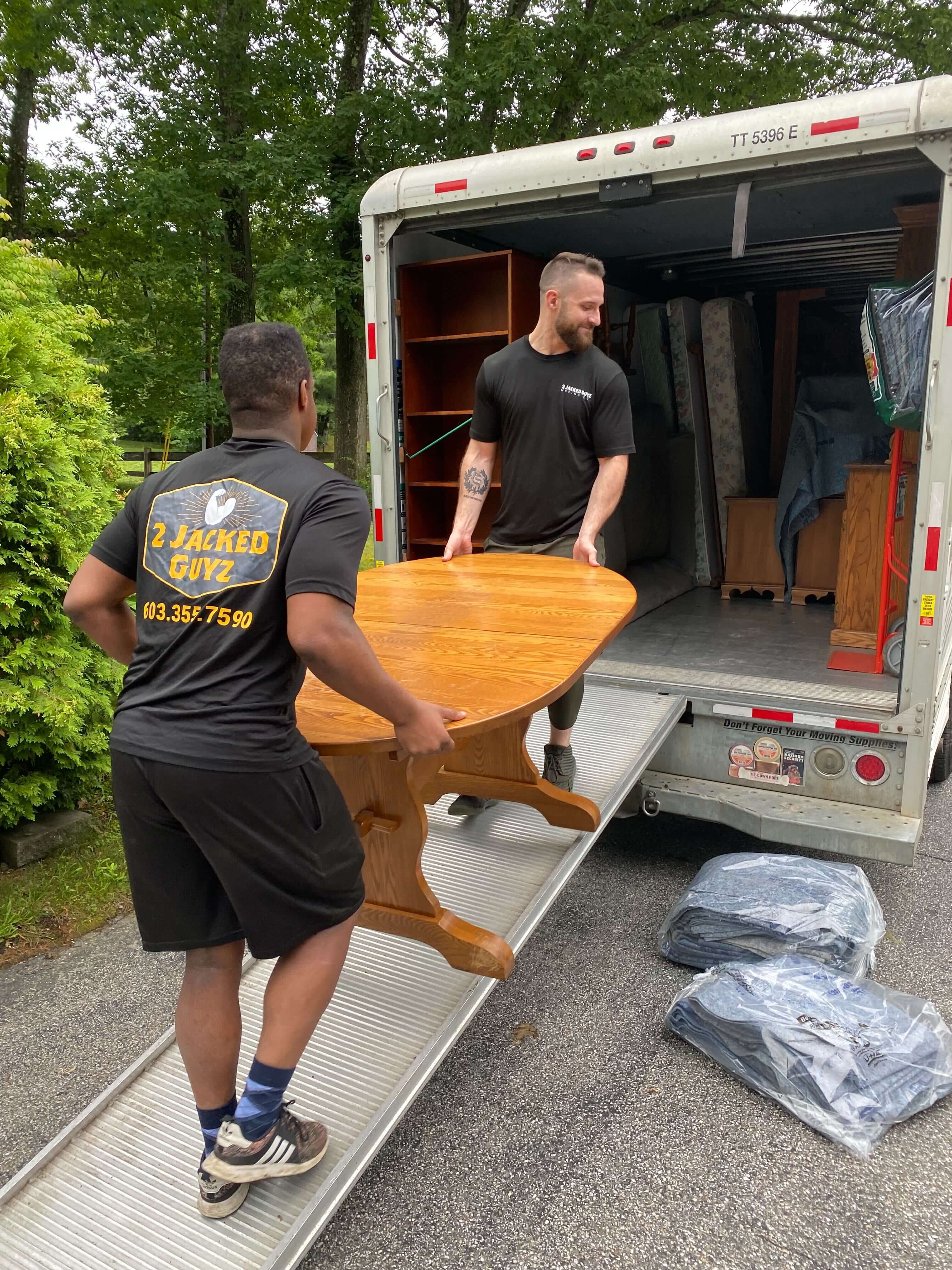
The good news is that a craft room move is completely manageable when you break it into categories and work through it with the right packing materials and the right sequence. And if you would rather hand the heavy lifting to professionals who know how to handle everything from overloaded IKEA KALLAX units to delicate paper cutters, the team at 2 Jacked Guyz professional movers is ready to take it from overwhelming to done.
The craft room is one of the most important spaces in the house to declutter before a move — not because it contains the most expensive things, but because it tends to contain the most accumulated things. Craft supplies multiply quietly over time. A half-used skein of yarn here, a set of stamps you bought for one project there, fabric remnants that feel too good to throw away, paint colors you have not touched in two years, and tools that seemed essential at the time but have since been replaced by better versions. Before you pull out a single box or reach for a roll of tape, walk through the entire room with honest eyes.
Sort everything into three clear categories: keep, donate or sell, and discard. Unopened or lightly used supplies in good condition — yarn, fabric, paper, paint — can often be donated to schools, community art programs, senior centers, or maker spaces that are always looking for materials. Specialty tools in working order can be sold through local craft groups, online marketplaces, or consignment shops. Anything dried out, broken, or genuinely unusable should be discarded responsibly, with attention to any items that qualify as hazardous materials (certain adhesives, spray paints, and chemical-based finishes).
Every item you move out before moving day is weight, volume, and time you are not paying for on the truck. The declutter step is not optional — it is the foundation everything else is built on.
One of the biggest mistakes craft room movers make is packing supplies in whatever order they encounter them. You open a drawer, grab everything in it, dump it into a box, and move on. The result at the other end is a room full of boxes with no organizational logic — and rebuilding your system from scratch takes far longer than the move itself.
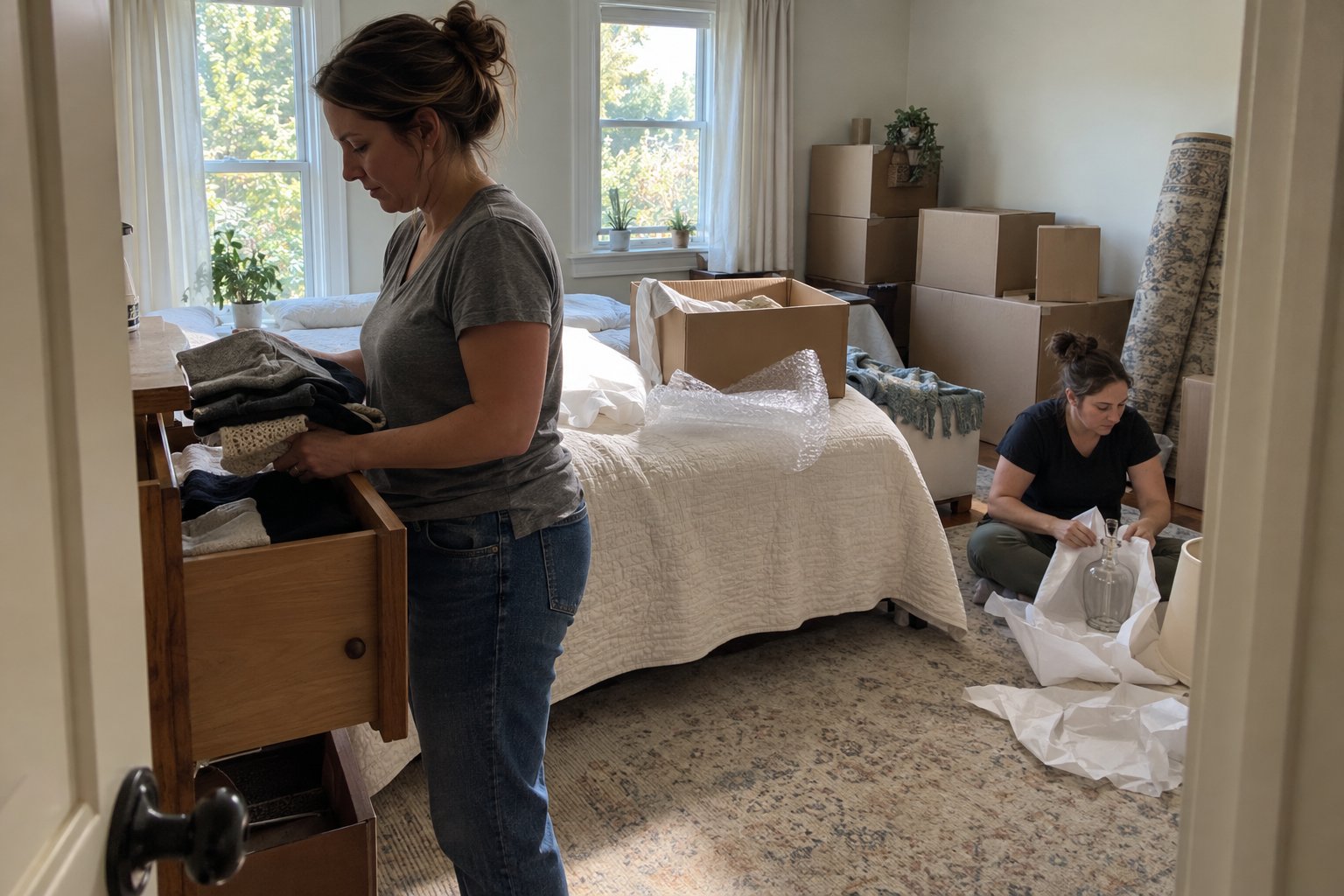
Instead, take the time before packing to group your supplies into clear categories. Paper and cardstock together. Fabric and notions together. Paints and inks together. Adhesives and tapes together. Thread and yarn together. Tools and cutting equipment together. This grouping does two things: it makes the packing process faster because you are working through logical clusters rather than random drawers, and it makes unpacking dramatically easier because every box has a clear, singular purpose.
Paper is surprisingly delicate during a move. Humidity, pressure, and even mild moisture can warp, buckle, or curl paper that was perfectly flat before packing. Store paper flat in shallow boxes rather than standing it on edge. If you have specialty papers — vellum, foil cardstock, watercolor paper — keep those separated from standard cardstock and wrap them in glassine or wax paper for added protection. Do not overfill paper boxes; a single heavily loaded paper box can bend under its own weight and damage the sheets at the bottom.
Fabric is more forgiving than paper but still benefits from thoughtful packing. Roll fabric rather than folding it when possible — rolling reduces the chance of permanent crease lines forming during transit. Store rolled fabric in clean garbage bags or zip-seal storage bags to protect against moisture and dust. Notions — buttons, zippers, elastic, ribbon, trim — should be packed in small zip-seal bags and grouped together in a single clearly labeled box so they do not scatter through larger boxes and become impossible to find.
Liquid supplies are the highest-risk category in any craft room move. Acrylic paints, alcohol inks, spray adhesives, and mod podge can all leak during transit if lids are not fully secured. Before packing, tighten every cap and lid and wipe down the outside of each container. Place each bottle or jar in a small zip-seal bag as a secondary containment layer. Pack liquid supplies in their own clearly labeled box, upright, with crumpled packing paper filling any gaps to prevent shifting. Mark that box clearly on every side: LIQUIDS — THIS SIDE UP.
Most craft rooms contain at least one or two pieces of equipment that go well beyond basic supplies — and these items deserve individual attention when it comes to packing and protection.
Sewing machines are precision instruments. If you still have the original box and foam inserts, use them — manufacturers design that packaging specifically for safe transport. If you do not have the original packaging, wrap the machine in moving blankets or a thick layer of bubble wrap, secure it with tape, and pack it in a box that fits snugly with minimal room for movement. Remove any detachable parts — presser feet, bobbins, extension tables, thread spools — and pack them separately in a labeled zip-seal bag taped to the outside of the machine box. Cover the needle or remove it entirely to prevent injury during packing and unpacking.
Machines like die-cut cutters and electronic cutting systems are sensitive to pressure and impact. Keep the cutting carriage locked or secured according to the manufacturer's instructions before transport. Remove the cutting mat, blades, and any loaded tools and pack them separately. If you have the original packaging, use it. If not, wrap the machine thoroughly in bubble wrap and pack it in a rigid box with foam or crumpled paper filling every gap. These machines have internal alignment components that can shift under rough handling, so treat them with the same care you would give a printer or a laptop.
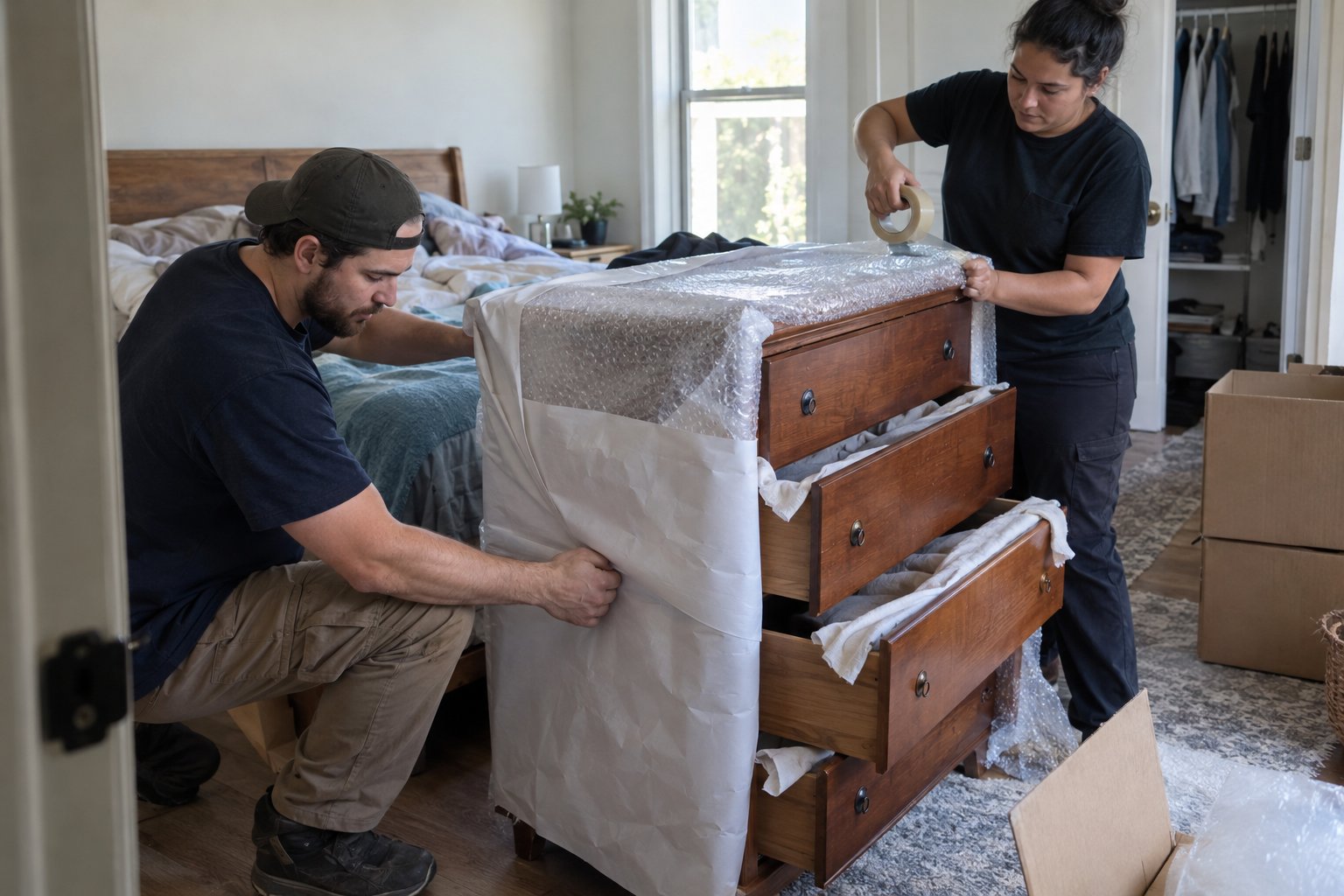
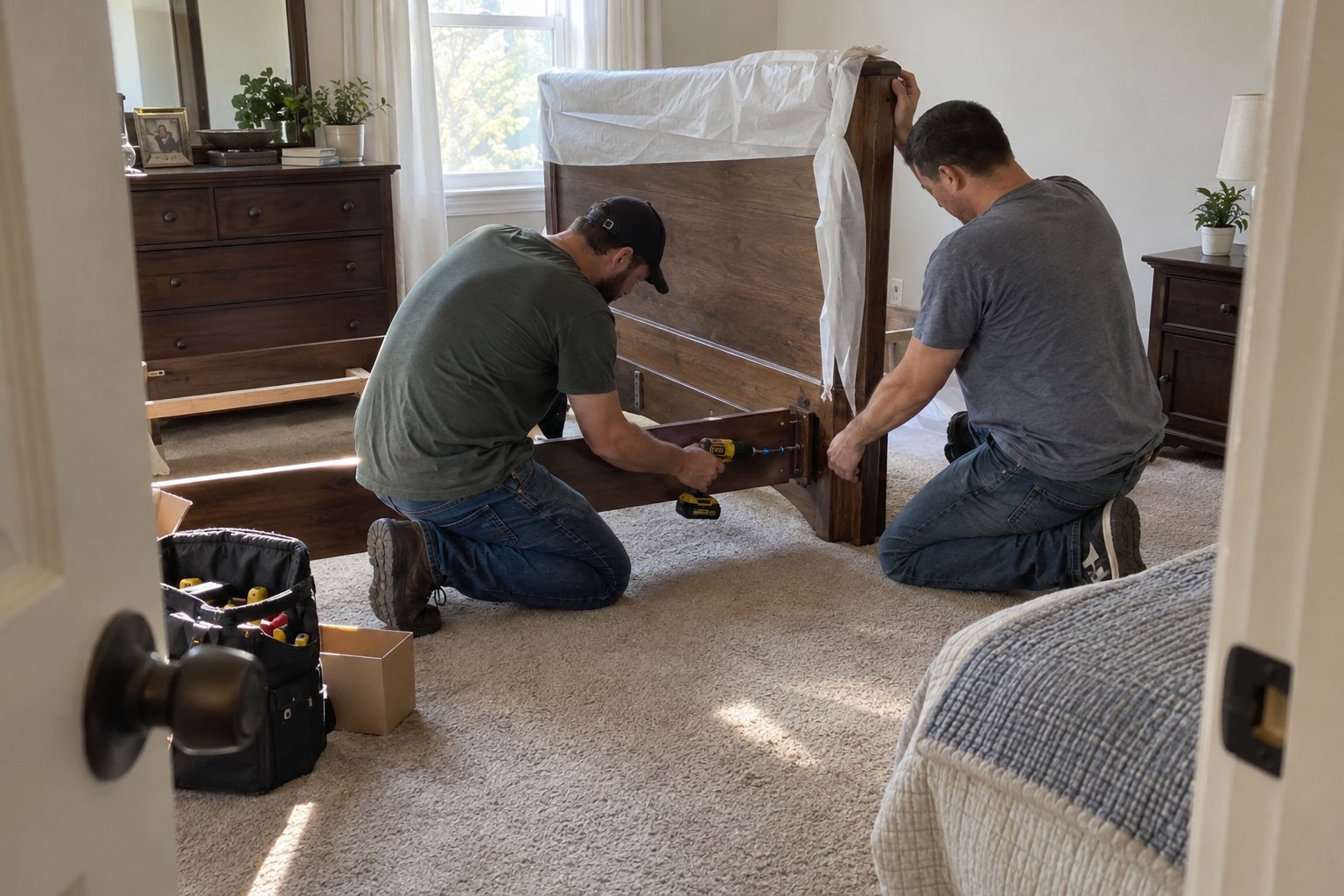
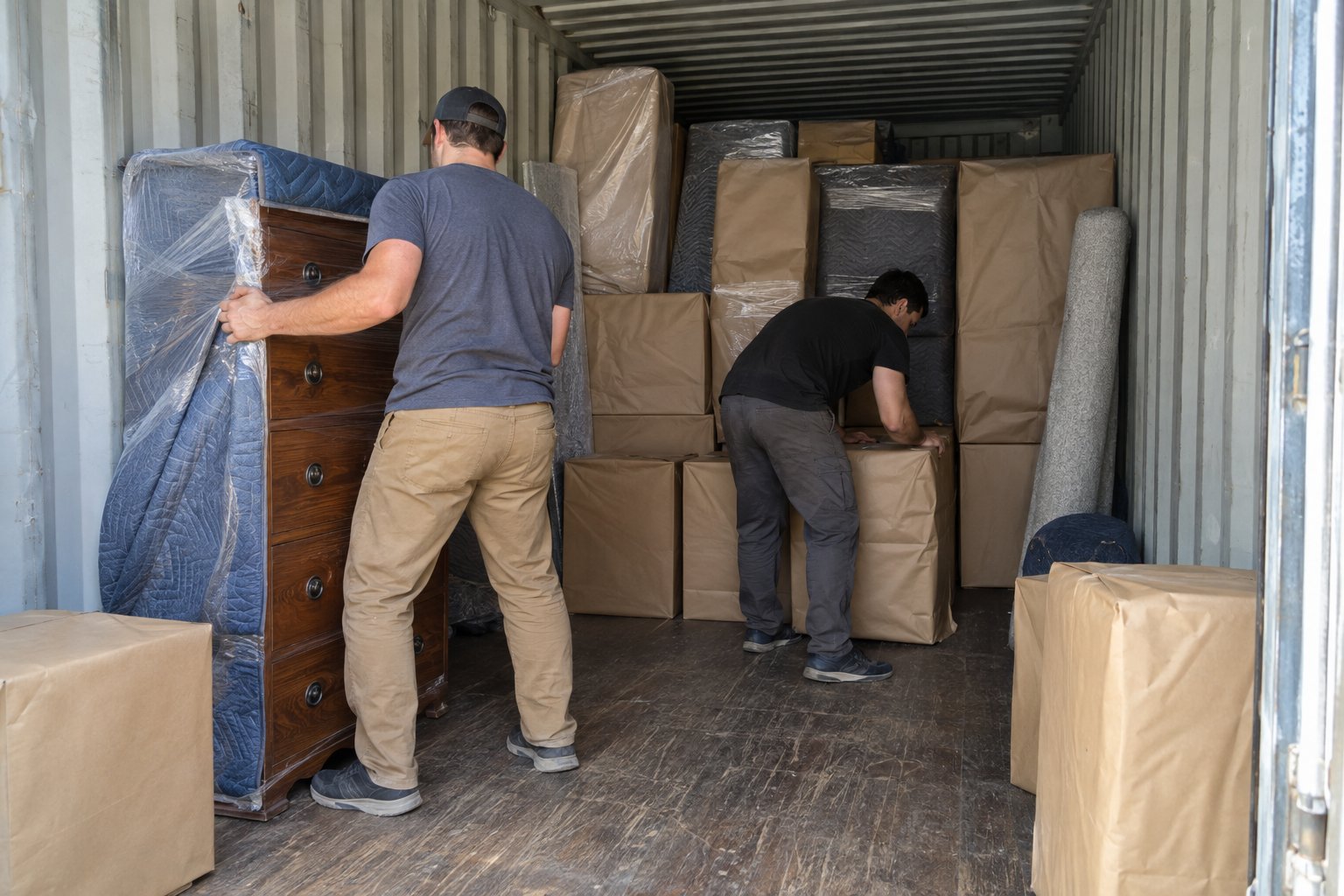
Heavy storage furniture — especially tall shelving units and fully loaded cube organizers — should always be emptied completely before they are moved. Moving furniture with supplies still inside it is one of the most common causes of both furniture damage and supply loss during a craft room move. Remove every item, drawer, and removable shelf before the furniture is lifted. Rolling drawer carts should have their wheels locked or taped and their drawers removed or secured with tape or stretch wrap to prevent them from sliding open in transit.
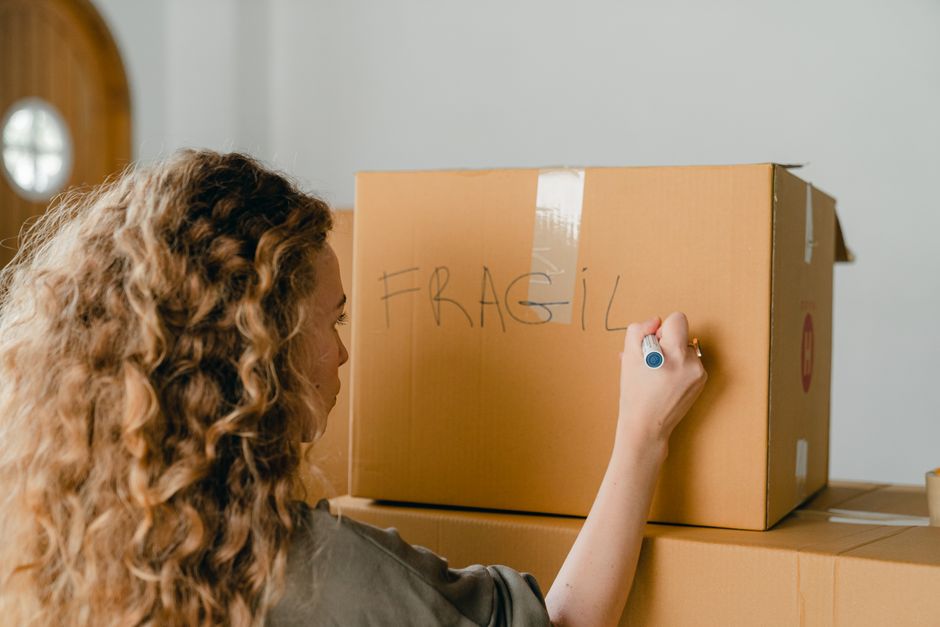
Every box from a craft room should be labeled with more than just "craft room." That label tells the movers where to put the box but tells you nothing useful when you are standing in your new craft room trying to find your bone folders and scoring tools before you unpack twenty other boxes first.
Use a two-part labeling system: the room destination on every side of the box, plus a brief contents description on top. Craft Room — Acrylic Paints and Inks — LIQUIDS UPRIGHT. Craft Room — Paper and Cardstock — DO NOT STACK HEAVY. Craft Room — Sewing Machine Accessories. This small extra step at the packing stage pays enormous dividends when you are unpacking and rebuilding your organizational system in the new space.
Take photos of your shelving and storage system before you dismantle it. A quick photo of your supply wall, your drawer organization, and your tool storage gives you a visual reference to work from when you set up the new room — and helps you think through whether you want to recreate the same layout or improve on it.
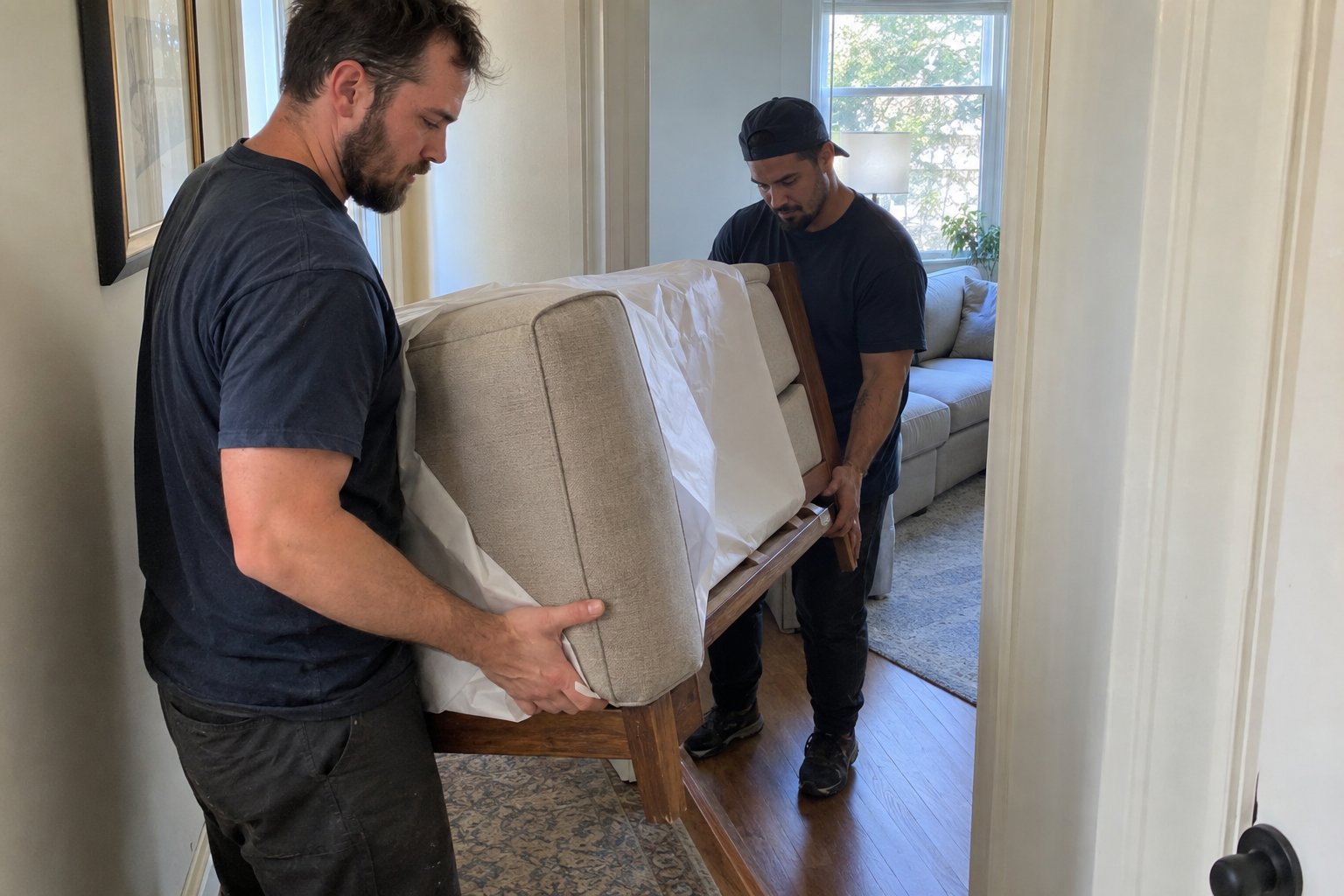
On moving day itself, the craft room needs to be completely packed and ready before the crew arrives. Every box should be sealed and labeled. Every piece of equipment should be wrapped or crated. All storage furniture should be emptied, disassembled if required, and staged for loading. Do not leave any supplies loose on shelves or in drawers that the crew will need to deal with on the spot — that adds time to the move and increases the risk of items being damaged or lost.
Communicate clearly with your movers about which boxes are fragile, which boxes contain liquids that must stay upright, and which pieces of equipment are high value and need extra care in handling. A good moving crew will appreciate the heads-up, and it ensures every item gets the level of attention it deserves.
If any of this feels like more than you want to manage on your own, the team at 2 Jacked Guyz has the experience and the care to handle a craft room move from the first box to the last shelf. Your supplies, your equipment, and your organizational system all make it to the new space intact — and you can get back to creating as quickly as possible.
Request a personalized quote and see how careful planning and reliable service make every move smoother. Our team prepares each step to handle challenges safely and efficiently.
The best way to preserve your organizational system during a move is to sort supplies into categories before you start packing, then label every box with both the room destination and a specific contents description. Take photos of your shelving and storage setup before you dismantle it so you have a visual reference when setting up the new space. Packing by category rather than by drawer or shelf keeps related items together and makes unpacking dramatically faster.
Tighten every cap and lid before packing and place each bottle or jar in a zip-seal bag as a secondary containment layer. Pack all liquid supplies upright in their own clearly labeled box, with crumpled packing paper filling any gaps to prevent shifting during transport. Mark the box on every side with LIQUIDS — THIS SIDE UP so movers and loaders know to keep it oriented correctly.
You should not fully disassemble a sewing machine, but you should remove all detachable accessories — presser feet, bobbins, extension tables, and thread spools — and pack them separately in a labeled bag. If you have the original packaging, use it. If not, wrap the machine thoroughly in moving blankets or bubble wrap and pack it in a snug-fitting box with no room for it to shift. Remove or cover the needle to prevent injury during packing and unpacking.
No — storage furniture should always be completely emptied before it is moved. Moving heavily loaded shelving units or cube organizers significantly increases the risk of structural damage to the furniture and makes it far too heavy and unbalanced to carry safely. Remove all supplies, take out removable drawers and shelves, and disassemble the unit if the design allows before it is moved.
Hiring professional movers is worth considering any time your craft room contains heavy storage furniture, specialty equipment like sewing machines or electronic cutting machines, or a large volume of fragile or liquid supplies that need careful handling. Professional movers have the tools and experience to protect your equipment and belongings in transit, and they can save you significant time and stress compared to managing a complex craft room move entirely on your own.
No long forms, no delays. Just a move that’s ready when you are. Secure your moving date today.