
Learn how to move a treadmill or exercise bike without damaging the motor, belt, or frame. Practical steps for disassembly, protection, and transport.
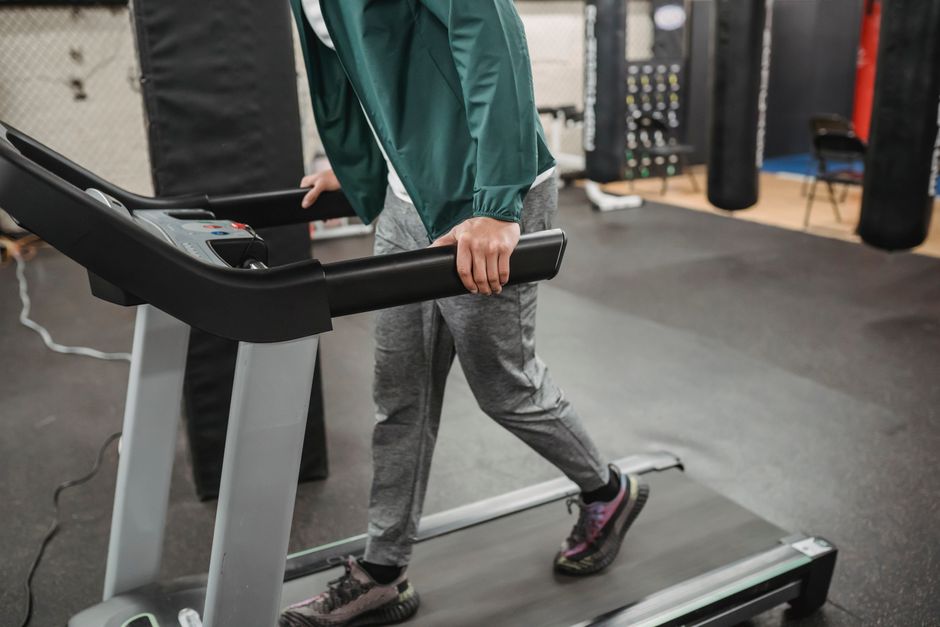
Learning how to move a treadmill without damaging it comes down to protecting three things: the motor housing, the walking belt and deck, and your own back. A folding treadmill can still weigh 200 to 350 pounds, most of it concentrated in a motor that does not tolerate being tipped, dropped, or dragged on its side. Exercise bikes are lighter but bring their own headaches, from bent flywheels to snapped pedal cranks when they get shoved into a truck at the wrong angle. This guide walks through the specific steps for getting cardio equipment out of your house and into the new one in one piece.
Unlike a dresser or a sofa, cardio machines have moving electronic and mechanical parts that can be thrown out of alignment by rough handling, even when the outer frame looks untouched. A treadmill that gets tilted too far forward, for example, can let oil pool away from the motor bearings or let the belt shift off center, so the way you handle it during the move matters as much as how you pack it.
Unplug the treadmill and let the motor cool completely before you touch it, since these units run hot during use and the housing can retain heat for a while after. Consult your owner's manual for the manufacturer's specific folding and transport instructions, because incline motors and console wiring vary quite a bit between brands.
Fold the deck into its upright storage position if the model supports it, and engage any locking pin or latch designed for that purpose. If the console detaches, remove it and pack it separately in a box with foam padding. Wrap the power cord and secure it with a zip tie or velcro strap so it cannot snag on a doorway or stairwell during the carry.
Most home treadmills are not designed for full disassembly the way a bed frame is, but a few components are worth removing anyway. Take off the side rails or handlebars if they are bolted on separately, and remove the console if it is not permanently wired in. This reduces the machine's footprint and cuts down on parts that can crack against a doorframe.
Leave the motor housing, deck, and belt assembly intact. Opening the motor cover to "lighten the load" almost always causes more problems than it solves, since realigning a belt or motor mount afterward often requires a technician.
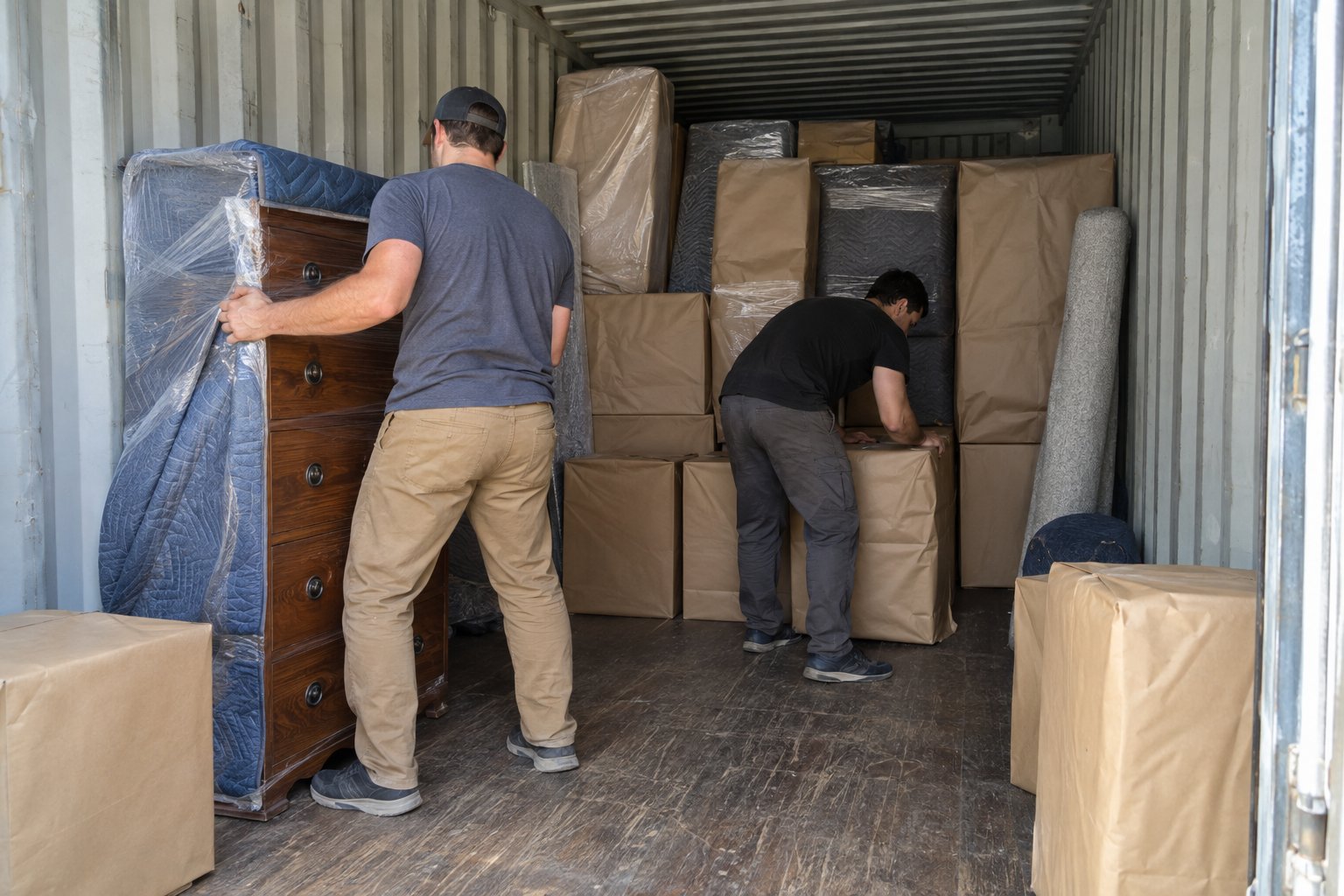
You need a furniture dolly rated for at least 300 pounds, moving straps or a harness, and thick moving blankets. A standard hand truck usually is not stable enough on its own for a treadmill's shape, so a flat four-wheel dolly gives you a much steadier base to strap the machine to.
Exercise bikes are lighter and can often be carried by two people without a dolly, but a hand truck still helps on stairs or over longer distances.
Protect the flywheel, pedals, and any digital console, since these are the parts most likely to get bent or cracked in transit. Remove the pedals if they thread off easily, wrap the flywheel cover in a moving blanket, and detach the console if it is not hardwired to the frame.
Stationary bikes tend to be top-heavy or front-heavy depending on the design, so keep them upright during transport rather than laying them on their side. If the bike has adjustable resistance knobs or magnetic brakes, leave those settings alone rather than trying to loosen anything for the move.
Load treadmills and bikes last, near the truck's rear doors, so they are not sitting under the weight of furniture or boxes stacked on top. Keep the treadmill upright in its folded position rather than laying it flat, since resting the full weight on the belt or console side can crack housing or throw the deck out of alignment.
Strap the equipment to the truck wall or a nearby anchor point so it cannot shift during turns or braking. Leave a few inches of clearance around each machine rather than wedging other items directly against the motor housing or display console.
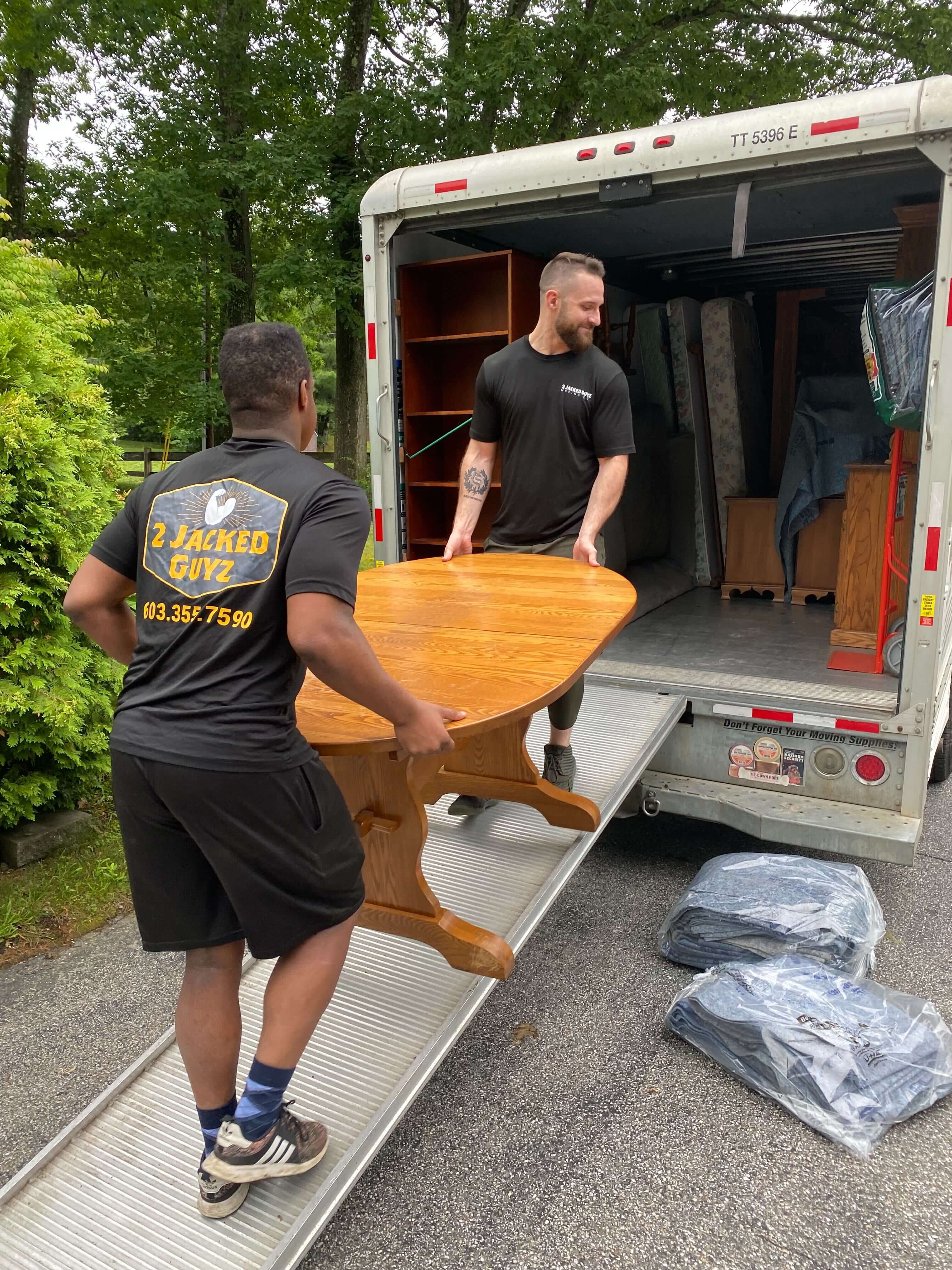
Hiring professional movers makes sense whenever the equipment is heavier than two people can comfortably carry, when stairs or narrow hallways are involved, or when you simply do not want to risk a several-hundred-dollar machine on a DIY carry. A crew experienced with heavy residential moves already has the dollies, straps, and technique to get a treadmill through a doorway without gouging the frame or straining a back.
If your move includes a full home gym rather than a single machine, it is worth reading through a broader home gym packing guide to plan for weights, racks, and mats alongside the cardio equipment. For anything involving multiple heavy or bulky pieces, our residential moving service team can handle the equipment as part of the full move rather than treating it as an afterthought.
Reattach the console, handlebars, and side rails in the reverse order you removed them, then check that the belt is centered before plugging the unit back in. Let the treadmill sit for a bit before its first run if it was transported in cold weather, since sudden temperature changes can affect lubricant viscosity on the deck.
Give the machine a slow test walk or ride at low speed and low resistance before returning to a normal workout. This is the easiest way to catch a belt that has shifted or a wobble that was not there before the move, while the fix is still simple.
Request a personalized quote and see how careful planning and reliable service make every move smoother. Our team prepares each step to handle challenges safely and efficiently.
It is best to keep a treadmill upright in its folded position during transport. Laying it flat on its side can let motor oil pool away from the bearings and put uneven pressure on the console or frame edges, which can cause damage that is not obvious until you try to use it again.
No, home treadmills do not use fluids that need draining before a move. Just make sure the unit is unplugged, cooled down, and folded or locked according to the manufacturer's instructions before it gets lifted onto a dolly.
Most home treadmills need at least two people to move safely, given their weight and awkward shape. A third person helps considerably when navigating stairs, tight doorways, or a long carry to the truck.
This depends on the machine's condition and replacement cost. If it still runs well and moving it is manageable with the right equipment, transporting it is usually cheaper than replacing it, but a heavily worn unit may not be worth the hassle of a long distance move.
Rough handling, especially tipping the unit sharply or dropping it even a short distance, can knock console electronics loose or shift belt alignment. Careful, upright transport with proper strapping is the best way to avoid needing recalibration or repair afterward.
No long forms, no delays. Just a move that’s ready when you are. Secure your moving date today.