

Learn how to choose a moving company with confidence. Vet licensing, reviews, and quotes before booking your next residential or long distance move.
Figuring out how to choose a moving company is one of the most important decisions you will make before relocating, yet many homeowners rush the process and regret it later. A poor choice can mean damaged furniture, hidden fees, or a crew that shows up hours late on moving day. Taking the time upfront to vet your options properly protects both your belongings and your budget.
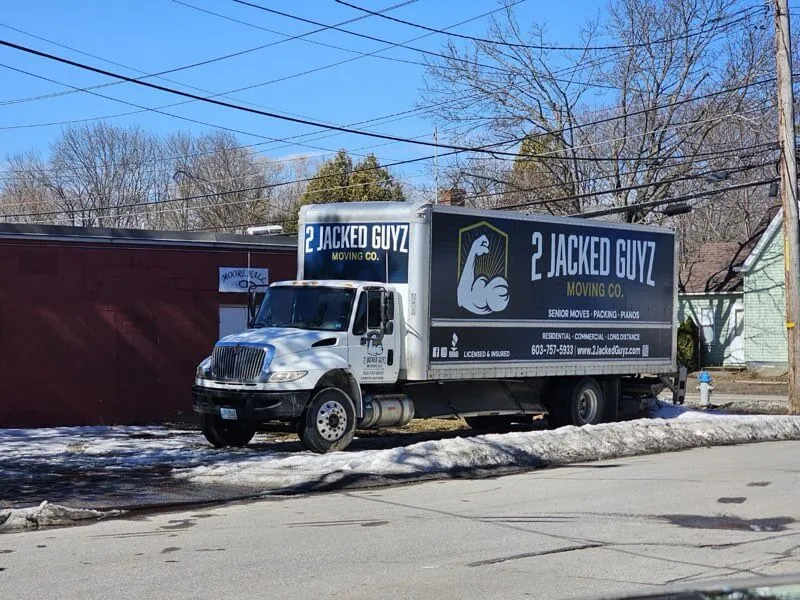
With so many moving companies advertising low rates and quick availability, it can be difficult to tell which ones actually deliver on their promises. The good news is that a handful of consistent checks, licensing, reviews, insurance, and quote transparency, can help you separate reliable movers from risky ones. If you want to skip the guesswork entirely, the team behind residential moving services at 2 Jacked Guyz can walk you through exactly what a trustworthy quote should include.
Before you even look at pricing, confirm that a moving company is properly licensed. Movers crossing state lines are required to register with the Federal Motor Carrier Safety Administration and carry a USDOT number, which you can typically look up online to confirm the company is active and in good standing. Local moves are usually regulated at the state level, so requirements vary depending on where you live.
Insurance is equally important. Ask what type of liability coverage is included in the base price and whether additional valuation coverage is available for higher value items. A company that cannot clearly explain its insurance options is a red flag, and it is worth pausing before booking until you get a straight answer.
Be cautious of movers who demand a large deposit before the move, refuse to provide a written estimate, or answer the phone with a generic greeting instead of a company name. These are common tactics used by less reputable operators, and recognizing them early can save you from a stressful moving day.
Once you have a shortlist of licensed, insured companies, request estimates from at least three of them. A reputable mover will typically want to see your inventory, either through an in-home visit or a detailed virtual walkthrough, before giving you a firm number. Estimates given over the phone without any assessment of your belongings tend to be far less reliable.
Pay close attention to how each estimate is structured. Local moves are often billed hourly, while long distance moves are usually priced by weight or cubic footage. If you are relocating across state lines, ask how the company handles long distance moving logistics, including delivery windows and how they communicate updates while your belongings are in transit.
Some moves require more than basic transportation. If you need help wrapping fragile items or boxing an entire household, ask whether the company offers packing services and how those services are priced separately from labor and mileage. Understanding the full scope of what is included, and what costs extra, prevents surprises on your final invoice.
Online reviews can be genuinely helpful, but they should be read carefully rather than taken at face value. Look for patterns across multiple platforms rather than focusing on a single glowing or scathing review. A company with hundreds of reviews and a handful of complaints about scheduling delays is generally in better shape than one with only a few reviews and no verifiable history.
It also helps to ask friends, family, or coworkers who have moved recently for personal recommendations. Word of mouth referrals often reveal details that do not show up in an online review, such as how a crew handled a tricky staircase or whether the final bill matched the original estimate.
Not every mover is equipped to handle every type of relocation. If your move involves a business relocation rather than a household move, ask specifically about their experience with commercial moving, since office equipment, files, and workstation logistics require different planning than residential furniture. Similarly, older adults downsizing into a smaller home may benefit from a company that offers dedicated senior moving support, which often includes extra help with sorting belongings and coordinating timelines with family members.
Thinking through the specific demands of your move, whether that is a tight timeline, a home full of fragile antiques, or a multi-story office, helps you narrow your search to companies with relevant, proven experience rather than a generalist who may not be prepared for your situation.
Once you have selected a company, make sure every detail of your agreement is documented in writing. This includes the pickup and delivery dates, the total cost or hourly rate, any fees for stairs or long carries, and the valuation coverage you have selected. Verbal promises are difficult to enforce if something goes wrong, so a clear written contract protects both you and the moving company.
Learning how to choose a moving company is ultimately about doing a small amount of homework that pays off significantly on moving day. Verifying credentials, comparing multiple estimates, and reading reviews thoughtfully will help you avoid the handful of bad actors in the industry and find a crew you can genuinely rely on. When you are ready to move forward, get a free moving quote and see how a transparent, professional process should feel from the very first phone call.
Request a personalized quote and see how careful planning and reliable service make every move smoother. Our team prepares each step to handle challenges safely and efficiently.
It is generally a good idea to book four to eight weeks ahead of your move, especially during summer months or around the beginning and end of the month when demand tends to be higher. Long distance moves often benefit from even earlier planning since scheduling a delivery window requires more coordination.
A binding estimate guarantees the final price based on the services listed, so it will not change even if the actual weight or hours differ slightly. A non-binding estimate is just a projection, meaning your final bill could be higher or lower depending on the actual scope of the move.
Reputable moving companies typically require a small deposit or none at all before the move, with the balance due upon delivery. A demand for a large upfront payment, especially in cash, is a common warning sign worth investigating further before you commit.
Basic liability coverage included by most movers is often calculated by weight and may not fully cover high value items. If you own antiques, electronics, or other valuables, it is worth asking about additional valuation coverage or checking whether your homeowner's insurance offers moving coverage.
For moves crossing state lines, you can look up a company's USDOT number through the Federal Motor Carrier Safety Administration's online database to confirm it is active and in good standing. For local moves, check with your state's transportation or consumer affairs department, since licensing requirements vary by location.
No long forms, no delays. Just a move that’s ready when you are. Secure your moving date today.