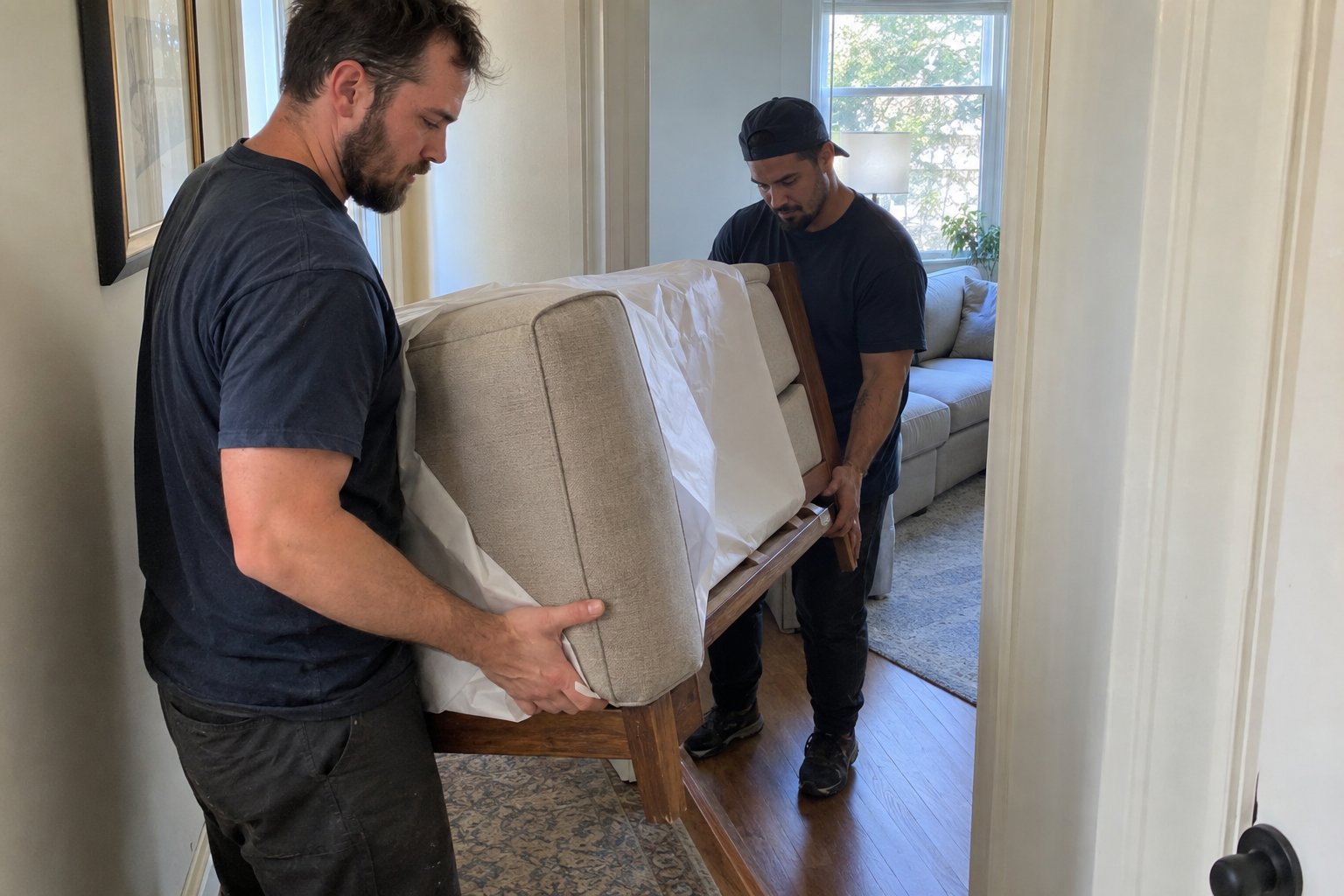



Wondering what movers actually charge? This guide breaks down local, long distance, and specialty moving costs so you can budget with confidence.
One of the first questions almost every homeowner asks before a relocation is simple: what is the actual cost to move? Unfortunately, the answer is rarely a single number, because moving prices depend on distance, home size, timing, and how many specialty items are involved. Understanding the variables that drive pricing helps you budget accurately and avoid unpleasant surprises on moving day.
Rather than guessing at a flat rate, it helps to break the cost to move into its core components: labor, distance, weight or volume, and any additional services like packing or specialty item handling. Once you understand how movers calculate these figures, you can request accurate quotes and compare estimates with confidence. If you would rather skip the spreadsheet entirely, the team at 2 Jacked Guyz residential moving can walk you through a transparent quote based on your specific situation.
The single biggest factor influencing the cost to move is distance. Local moves, typically defined as relocations within the same city or region, are generally billed by the hour and depend on the number of movers and trucks required. A studio or one-bedroom apartment usually requires fewer hours and a smaller crew than a four-bedroom house, so crew size and home size are directly tied to your final bill.
Long distance moves work differently. Instead of hourly billing, these moves are typically priced based on the total weight or cubic footage of your belongings combined with the mileage between origin and destination. Because long distance moving involves fuel costs, tolls, and multi-day logistics, it is common for these moves to cost noticeably more than a local move of similar size. Getting a written estimate that specifies whether pricing is based on weight or volume will help you avoid confusion later.
Some companies offer flat rate quotes for local moves, while others bill strictly by the hour. Flat rates can offer peace of mind because you know the total cost to move upfront, but they typically require an in-home or virtual survey so the company can accurately estimate the scope of work. Hourly rates can be more economical for smaller moves but carry some uncertainty if the job runs longer than expected due to stairs, elevators, or parking restrictions.
Beyond distance, several other factors can raise the overall cost to move. Homes with narrow staircases, long carry distances from the truck to the front door, or a lack of elevator access in an apartment building often require additional labor time or specialized equipment, which increases the bill.
Specialty items also add cost. Pianos, safes, hot tubs, and oversized furniture require extra manpower, dollies, and sometimes disassembly, so movers often charge a flat specialty fee on top of the standard rate. If your move includes an item like this, ask your mover directly how it will be priced rather than assuming it falls under the general hourly rate.
Packing services are another line item that can shift your total. Full-service packing, where a crew wraps and boxes your entire household, costs more than moving boxes you have already packed yourself, but it can save significant time and reduce the risk of damage to fragile items. Many homeowners choose a hybrid approach, hiring packing services only for the kitchen, artwork, or other delicate categories while handling the rest themselves.
The time of year and even the day of the week you choose to move can influence your final cost. Summer months, weekends, and the beginning or end of the month tend to be the busiest and most expensive times to book a moving crew, since demand is highest when leases typically start and end. If your schedule is flexible, moving mid-month or mid-week during the fall or winter can sometimes result in lower rates simply because demand is reduced.
Booking early also tends to help control costs. Popular moving companies fill their calendars weeks or even months in advance during peak season, and last-minute bookings sometimes come with premium pricing or a more limited selection of available crews and trucks.
Not every move fits the standard residential mold. Businesses relocating an office need to think about downtime, IT equipment, and furniture disassembly, all of which factor into commercial moving pricing differently than a household move. Commercial quotes often account for after-hours scheduling, since many businesses prefer to relocate over a weekend to minimize disruption to operations.
Older adults transitioning to a smaller home or a senior living community also have unique needs that affect pricing. These moves often involve careful downsizing, coordination with family members, and extra care with sentimental or fragile belongings, which is why many families turn to a dedicated senior moving service rather than a standard residential crew.
To get the most accurate picture of your cost to move, request estimates from a few reputable companies and make sure each one is based on the same scope of work. Be upfront about stairs, long carry distances, specialty items, and any packing help you may need, since leaving out details is one of the most common reasons final bills end up higher than the original quote.
Ask whether the estimate is binding or non-binding, and clarify what happens if the move takes longer than expected or if your inventory changes closer to moving day. A transparent company should be willing to explain exactly how their pricing works and answer questions about potential additional fees before you sign anything.
Finally, remember that the cheapest quote is not always the best value. A slightly higher price from an experienced, well-reviewed crew that arrives with the right equipment and enough manpower can save you money in the long run by protecting your belongings and finishing the job efficiently.
Request a personalized quote and see how careful planning and reliable service make every move smoother. Our team prepares each step to handle challenges safely and efficiently.
Local moves are typically billed hourly based on crew size and truck requirements, so the total depends heavily on how much furniture you have and how far the truck must be parked from your door. Getting a quote based on your specific inventory is the best way to get an accurate number.
Generally yes, since full-service packing adds labor and material costs. Many homeowners save money by packing non-fragile items themselves and leaving delicate categories like kitchenware or artwork to professional packing services.
Many companies do add fees when stairs, elevators, or a long distance between the truck and your front door increase the time and effort required. Always mention these details when requesting a quote so the estimate reflects the real scope of work.
Long distance moves are usually priced by weight or volume combined with mileage rather than by the hour, and they often involve fuel, tolls, and multi-day logistics that local moves do not, which typically makes them more expensive overall.
Fall and winter, along with mid-month and mid-week dates, tend to be less expensive because demand for moving crews is lower than during peak summer weekends when leases commonly begin and end.
No long forms, no delays. Just a move that’s ready when you are. Secure your moving date today.