
Learn how to move a refrigerator without damage. Our guide covers cleaning, tools, and safety tips for transporting your fridge to a new home safely.
Learning how to move a refrigerator is one of the most physically demanding tasks a homeowner can face during a residential relocation. These appliances are incredibly heavy, top heavy, and house delicate cooling systems that can be easily ruined by improper handling. Using a professional moving company and taking a slow and methodical approach is the only way to ensure your appliance survives the trip.
Secure your heavy appliance transport by speaking with our strong crew at (603) 757-5933 to ensure your fridge arrives without a scratch today.
Before you even touch the unit, you must prepare the internal space by removing all perishable food and loose glass shelves. A fridge full of groceries can add significant weight and lead to a messy disaster if the door pops open during transit. Clearing the interior makes the machine lighter and prevents internal damage to the plastic lining.
The preparation phase starts at least twenty four hours before the actual moving day begins. You need to unplug the unit and allow the freezer to defrost completely to prevent water from leaking onto the truck floor. This time also allows the internal fluids to settle, which is vital for the health of the compressor.
Empty the ice maker and disconnect the water line carefully to avoid flooding your kitchen floor. Once the unit is dry, secure the power cord to the back of the machine with heavy tape so it does not become a tripping hazard. Clean the coils at the bottom to remove dust that could cause overheating later.
A common mistake when learning how to move a refrigerator is failing to measure the exit route before starting. You must check the width of the fridge against the narrowest parts of your home, such as door frames or tight corners. Sometimes you may need to remove the fridge doors or the house doors to gain enough clearance.
Clear away any rugs, shoes, or furniture that could obstruct your movement or cause a slip. If there are stairs involved, you will need a specialized dolly with stair climbing tracks and at least two strong helpers. Mapping out the route ahead of time reduces the risk of getting stuck in a tight spot.
Refrigerators can weigh over 1200 quarter pounds when fully loaded with features, which puts massive pressure on your flooring. Dragging the unit even a few inches can permanently gouge hardwood or crack expensive ceramic tiles. Always use plywood sheets or specialized floor runners to create a smooth and protective path for the dolly.
If you must slide the unit out of its alcove, use plastic glides or a piece of clean carpet turned upside down. This reduces friction and prevents the metal feet from digging into the subfloor. Protecting your property is just as important as protecting the appliance itself during a heavy residential move.
Position the dolly at the side of the refrigerator rather than the front or back. Tilt the unit slightly and slide the dolly plate underneath the base until it is centered and secure. Use the integrated straps to cinche the fridge tightly to the metal frame so it cannot shift or tip.
When you tilt the dolly back, keep your knees bent and use your body weight to balance the load. The center of gravity on these machines is quite high, so you must maintain a firm grip at all times. Never attempt to lift the dolly by yourself as the sheer mass can cause serious injury.
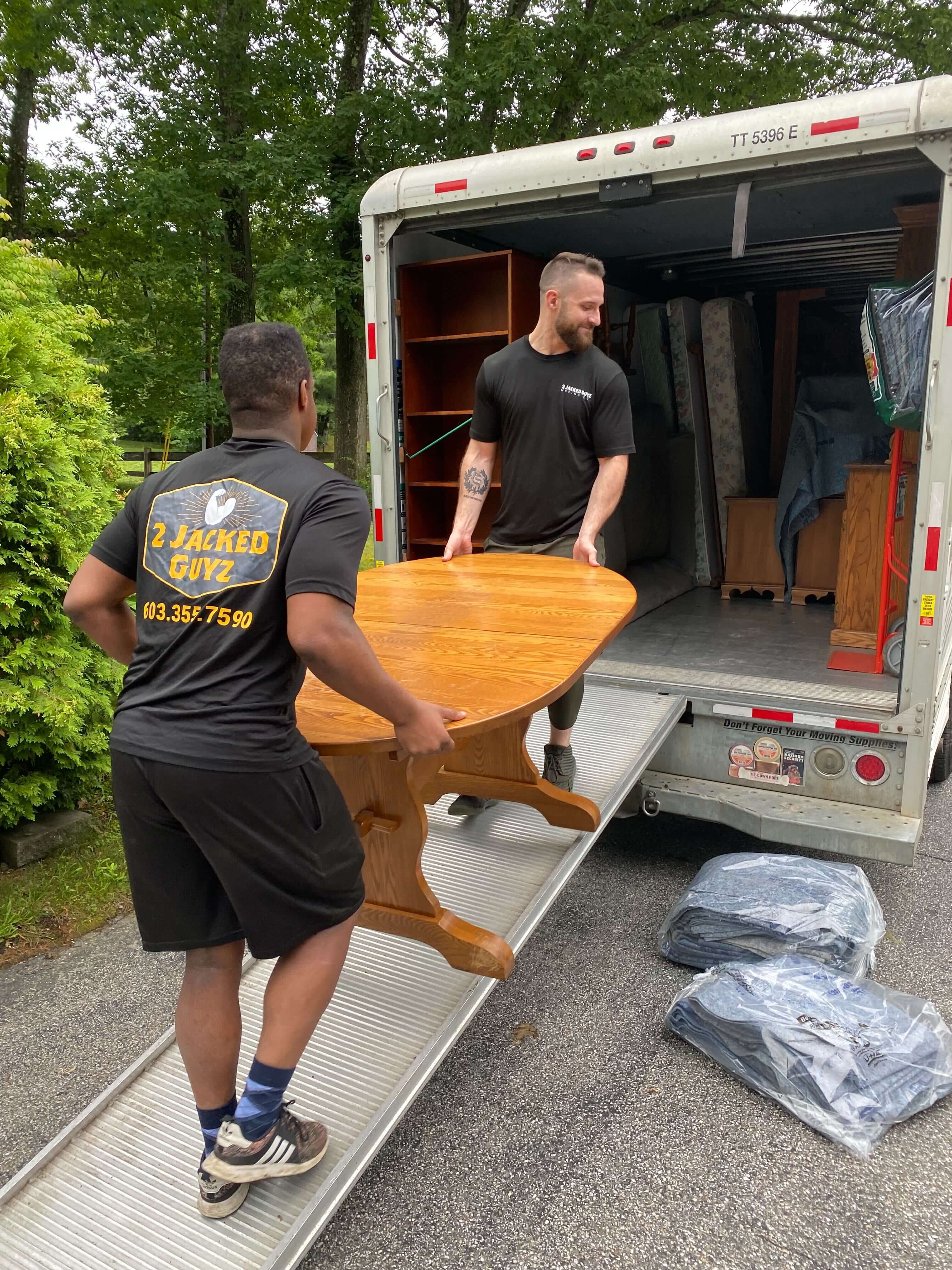
Once you reach the truck, use a wide and stable ramp to bring the appliance into the cargo area. It is vital to keep the refrigerator in an upright position as much as possible during the entire move. Laying it on its side can cause oil to flow into the cooling tubes and clog the system.
Secure the fridge against the wall of the truck using heavy duty ratchet straps to prevent any sliding. Do not place other heavy items on top of the unit that could dent the thin metal skin. A stable and upright position is the best way to ensure the machine works when you plug it back in.
Unloading requires the same level of care and precision as the initial loading process at the old house. Carefully navigate the unit into its new kitchen space and place it exactly where it needs to stay. Remove all the tape and plastic wrap once the unit is in its final resting spot.
Do not plug the refrigerator in immediately after it has been moved or tilted on the dolly. Let the unit sit unplugged for at least four to six hours to allow the compressor oil to drain back into the reservoir. This waiting period is a critical step that prevents permanent motor damage and expensive repair bills.
Once the cooling fluids have settled, you can reconnect the water line and plug the power cord into a grounded outlet. Most modern fridges have adjustable feet at the front corners that allow you to level the unit on uneven floors. A level fridge ensures that the doors seal properly and the ice maker functions.
Check for any leaks around the water connection over the first few hours of operation. It may take up to twenty four hours for the unit to reach the proper cooling temperature for food storage. Be patient and monitor the internal thermometer before transferring your groceries back into the shelves and drawers.
Attempting to move large appliances without professional help puts your back and joints at significant risk of injury. The sheer bulk of a fridge makes it difficult to grip, often leading to strained muscles or pinched fingers. Professional movers have the strength and training to handle these heavy loads without compromising their physical health.
Hiring a team with the right muscle ensures that the job is done quickly and safely for everyone involved. Experts know how to use leverage and timing to move heavy objects through tight spaces without breaking a sweat. Investing in professional muscle is the smartest way to avoid a trip to the doctor.
Moving is a great time to perform deep maintenance on your appliance that you might usually skip. Vacuuming the condenser coils and cleaning the drainage pan can improve the efficiency of the unit in your new home. A clean fridge runs quieter and uses less electricity, saving you money on your monthly utility bills.
If you notice any unusual noises after the move, check that the unit is not vibrating against a nearby cabinet. Sometimes the leveling feet just need a quick adjustment to silence a rattling sound. Taking care of these small details ensures that your appliance continues to serve your family for many years.
Professional appliance dollies feature belts that rotate, allowing them to glide over stair treads with minimal effort. This specialized gear is much safer than standard furniture dollies found at local hardware stores. Using the right tools reduces the physical strain on the movers and the mechanical strain on the fridge.
Blanket wrapping the unit provides a thick layer of padding that absorbs the shocks of the road during transport. This prevents the cosmetic damage that often occurs when a fridge rubs against other items in a moving truck. High quality gear is the hallmark of a successful and stress free long distance moving project.
Before you consider the job finished, perform a final walkthrough of the old kitchen and the new one. Ensure that no water lines are dripping and that no damage was done to the door frames during the transition. Confirm that all internal shelves are securely back in their correct positions and ready for use.
By following these professional steps, you ensure that your refrigerator survives the move in perfect working order. Whether you are moving across town or just across the room, respect the weight and complexity of the machine. A successful move is the result of careful planning and the right physical strength.
2 Jacked Guyz brings a heritage of hard work to every heavy lifting project across the region. Our team provides professional appliance transport, residential moving, and expert furniture protection with every single job. We stand out by providing the raw physical strength needed to move your heaviest items through the tightest kitchen spaces. Let our muscle handle the heavy lifting so you can enjoy your brand new kitchen without the back pain.
Contact: sales@2jackedguyz.com | (603) 757-5933
Request a personalized quote and see how careful planning and reliable service make every move smoother. Our team prepares each step to handle challenges safely and efficiently.
You should always wait at least four to six hours before plugging in your refrigerator after it has been tilted or moved. This allows the compressor oil to settle back into its proper place. Plugging it in too early can cause the oil to clog the cooling tubes and lead to a very expensive repair.
If your fridge is wider than your doorways, you may need to remove the appliance doors to gain the necessary clearance. This is a common practice that involves unscrewing the hinges and disconnecting any wire harnesses. Always refer to your owners manual for specific instructions on removing your model.
Moving a refrigerator on its side is highly discouraged as it allows oil to enter the cooling lines. If you absolutely must lay it down, keep it on the side opposite the cooling lines to minimize the risk. After laying a fridge down, you must let it stand upright for twenty four hours before power.
A typical modern refrigerator can weigh anywhere from two hundred to over four hundred pounds depending on the size and features. High end models with built in water dispensers and thick insulation are often at the heavier end of the scale. This weight requires a professional dolly and strong help.
Yes, you must defrost your freezer and dry it out completely at least twenty four hours before your moving day begins. Any remaining ice will melt during transit and can cause water damage to your other belongings inside the moving truck. Keeping the unit dry also prevents the growth of mold or mildew.
No long forms, no delays. Just a move that’s ready when you are. Secure your moving date today.