
Learn how to pack a POD efficiently with a loading order, weight placement, and gap-filling tricks that protect your stuff and maximize every cubic foot.
Packing a POD efficiently comes down to three things: building a stable wall of weight at the front, filling every gap so nothing can shift during transport, and loading in a sequence that keeps fragile items protected until the very end. A POD rides on a truck bed over real roads, not a smooth warehouse floor, so anything with room to move will move, and usually not gently.
Unlike a rental truck you drive yourself, a POD container often sits for days between drop-off and pickup, then gets lifted onto a flatbed for transport. That means your load has to survive vibration, tilting, and occasional sudden stops without a driver around to notice a shift happening. The packing strategy below is built around that reality, not just around cramming boxes in fast.
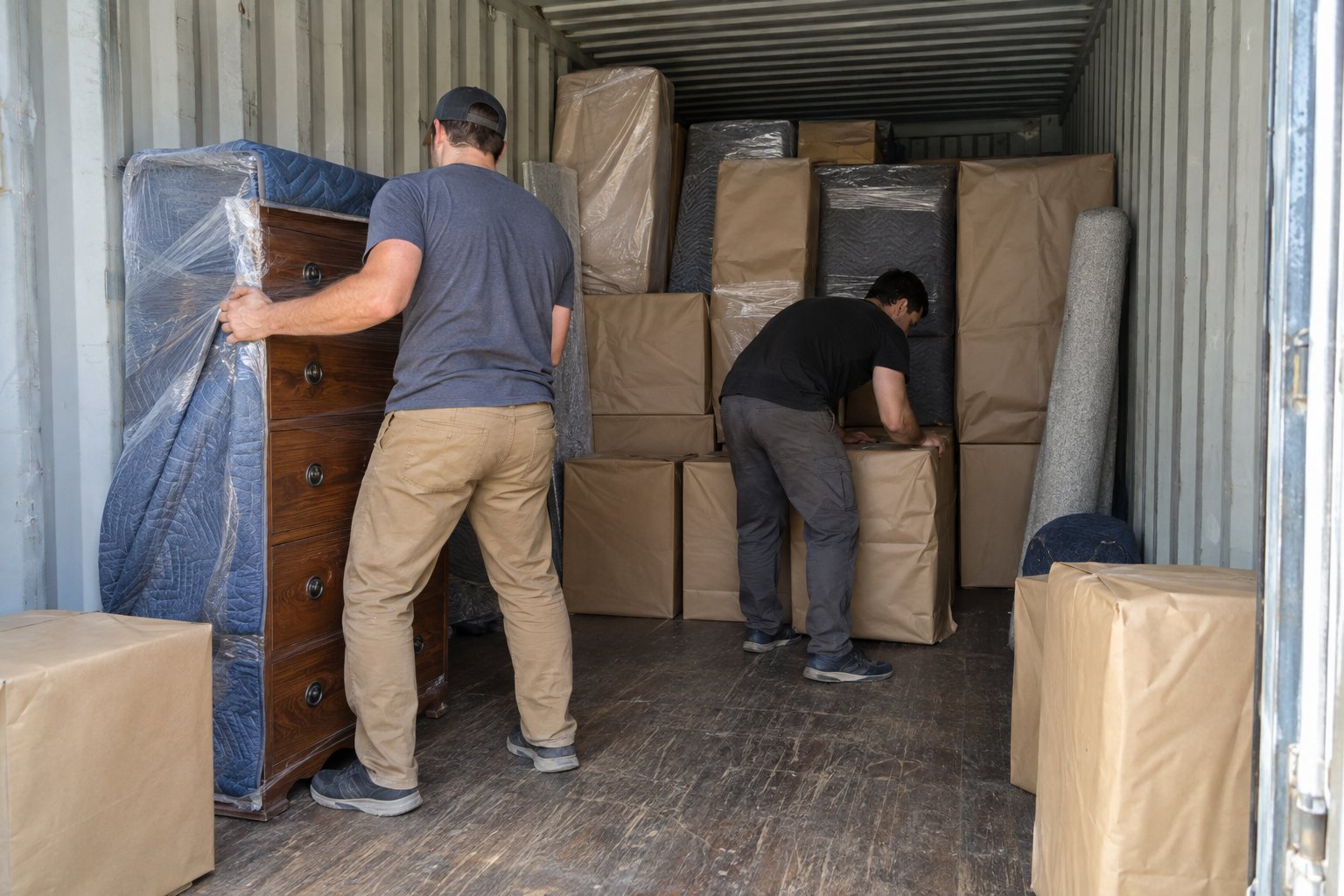
Load heavy, non-fragile furniture and appliances first, toward the front wall of the container, then work backward with mid-weight boxes, and finish with lightweight and fragile items closest to the door. This creates a center of gravity that stays low and forward, which keeps the whole load stable even when the container shifts on a trailer.
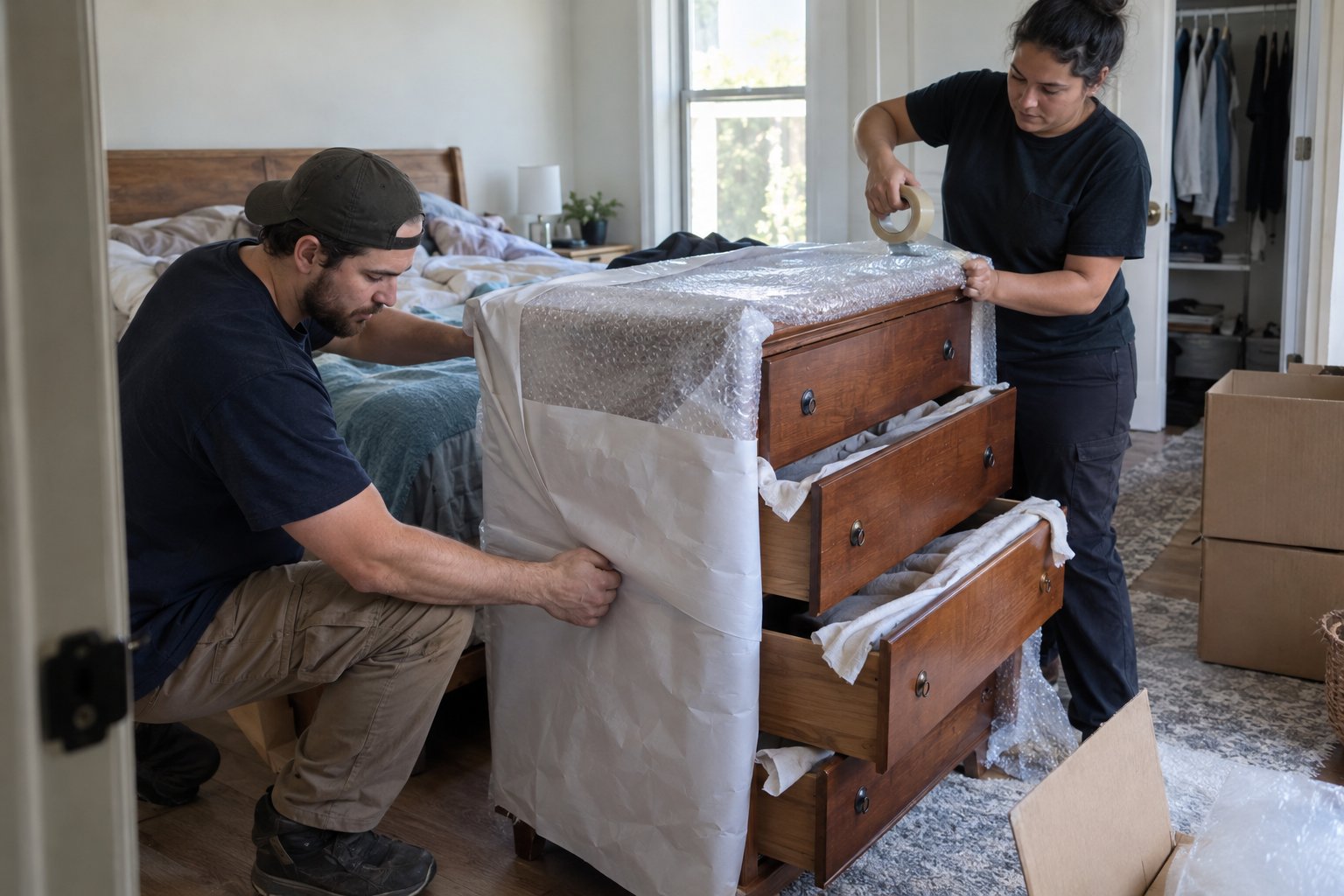
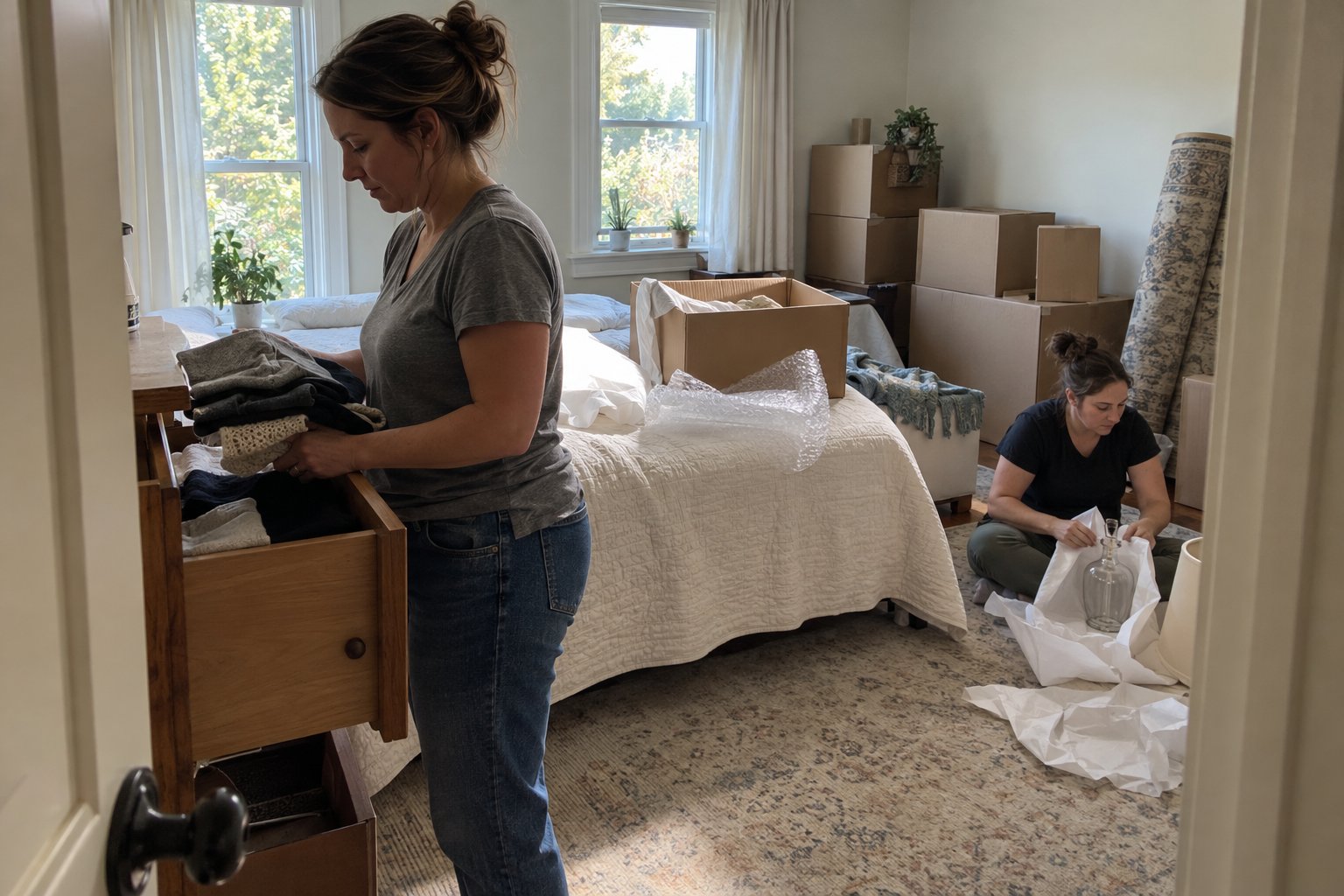
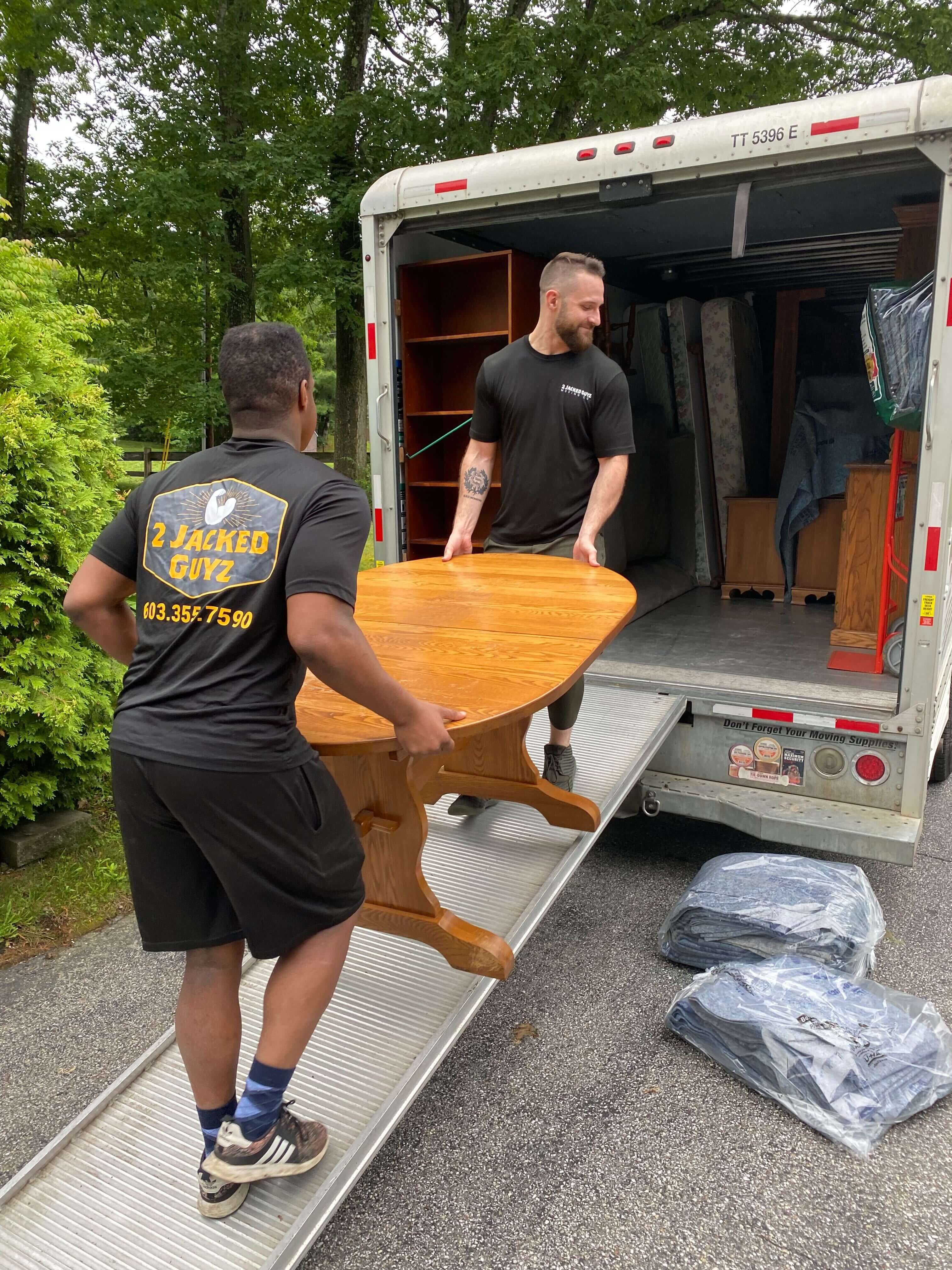
Start with major furniture pieces like dressers, bookcases, and bed frames. Stand flat items like mattresses and mirrors on their edges rather than laying them flat, since edge-loading uses less floor space and distributes weight more evenly. Appliances go next, strapped upright whenever possible. Boxes come after the furniture, stacked by weight with the heaviest on the bottom of each stack and never resting directly on anything fragile. If you want help deciding which items need extra care before they're loaded, our packing services team can assess fragile or oddly shaped pieces ahead of your loading day.
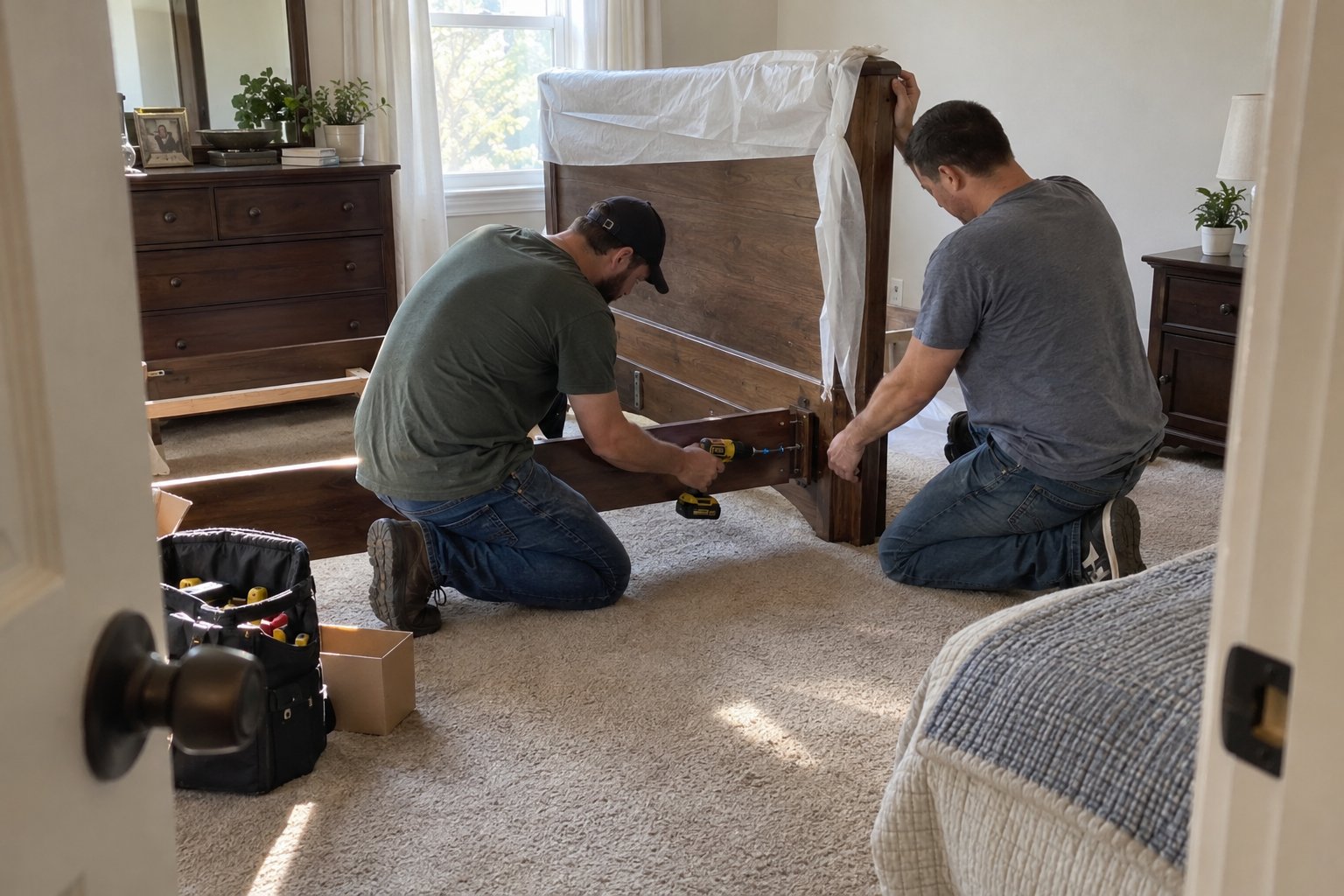
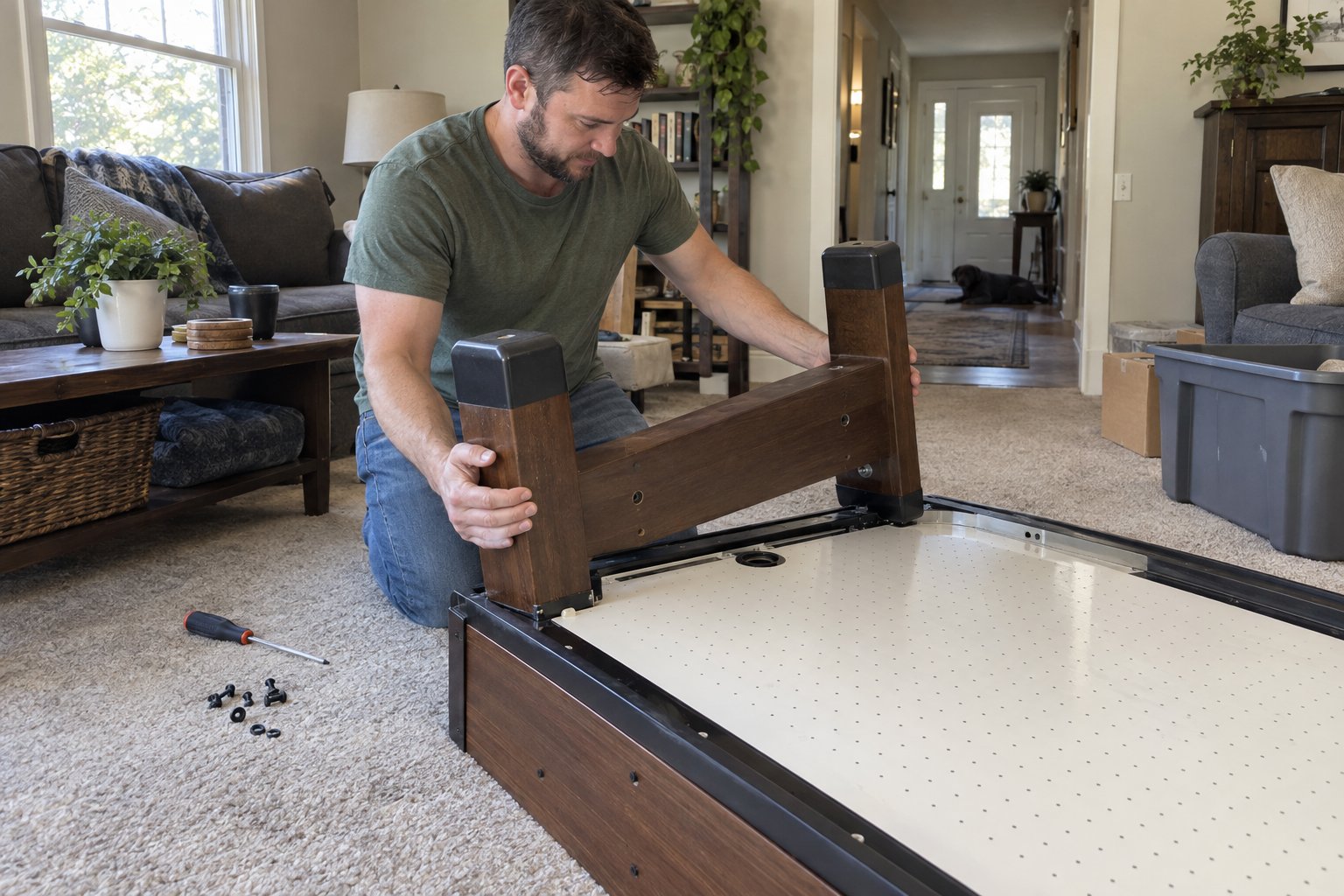
Disassemble bed frames, table legs, and any furniture with removable parts before the POD arrives, not while you're standing in the doorway with it. Dissembling furniture (more commonly spelled "disassembling") just means breaking large pieces down into smaller, flat-packable sections: legs off tables, headboards off bed frames, shelves out of bookcases.
Breaking furniture down accomplishes two things at once. It protects the piece itself, since legs and protruding parts are what usually snap or bend when something shifts against them. And it changes the shape of the item from an awkward 3D object into something closer to a flat panel, which stacks far more efficiently against a wall. Keep hardware bagged and taped to the matching piece so reassembly at the other end doesn't turn into a scavenger hunt.
Fill every gap bigger than a fist with something, whether that's a rolled blanket, a pillow, a bag of linens, or an empty box stuffed with soft goods. Open space inside a packed container is what allows a 15-mile-per-hour braking event to turn into a domino effect of shifting boxes and scraped furniture.
Work in vertical columns rather than one continuous wall. Load floor to ceiling in sections, bracing each column against the one before it, rather than building a single tall stack that can topple sideways. Use moving straps or rope to cinch rows of boxes and furniture to the container's built-in tie-down rings if it has them. Soft items like couch cushions, rolled rugs, and bagged clothing make excellent gap-fillers because they compress slightly and absorb vibration instead of transmitting it.
Load anything you'll need in the first 48 hours at the new place last, closest to the door, so you're not unpacking the entire container to find a coffee maker or a box of towels. This includes cleaning supplies, basic tools, phone chargers, a change of clothes, and any paperwork tied to the move itself.
It helps to build a simple checklist for moving out that separates "load first" heavy items from "load last" essentials before the container even shows up. Label these boxes clearly on multiple sides, since you may be pulling them out in low light or in a hurry. If you're moving a household with young kids or pets, keep their immediate-need items in this same easy-access zone.
A POD can be packed solo if you have the time, the right materials, and realistic expectations about the physical effort involved, but a full household with heavy furniture, appliances, or fragile collections is a job where an extra set of trained hands pays for itself. Loading errors are hard to fix once the container is sealed and sitting on a truck.
If you're weighing the tradeoffs, the same cost and time factors that apply to deciding whether to pack yourself or hire movers to pack apply here too: your own labor is "free" but slow, and mistakes in a sealed container are far costlier to fix after the fact than they would be with a truck you can reopen anytime. A crew experienced in long distance moving loads containers for a living and knows how to maximize space while keeping heavy furniture secured, which matters even more when a POD might sit in a lot for days before it travels.
The most common efficiency mistake is loading in no particular order, pushing boxes in as they come out of each room instead of planning the layout first. This leaves odd gaps, wastes vertical space, and often means the heaviest items end up stacked on top of the lightest ones.
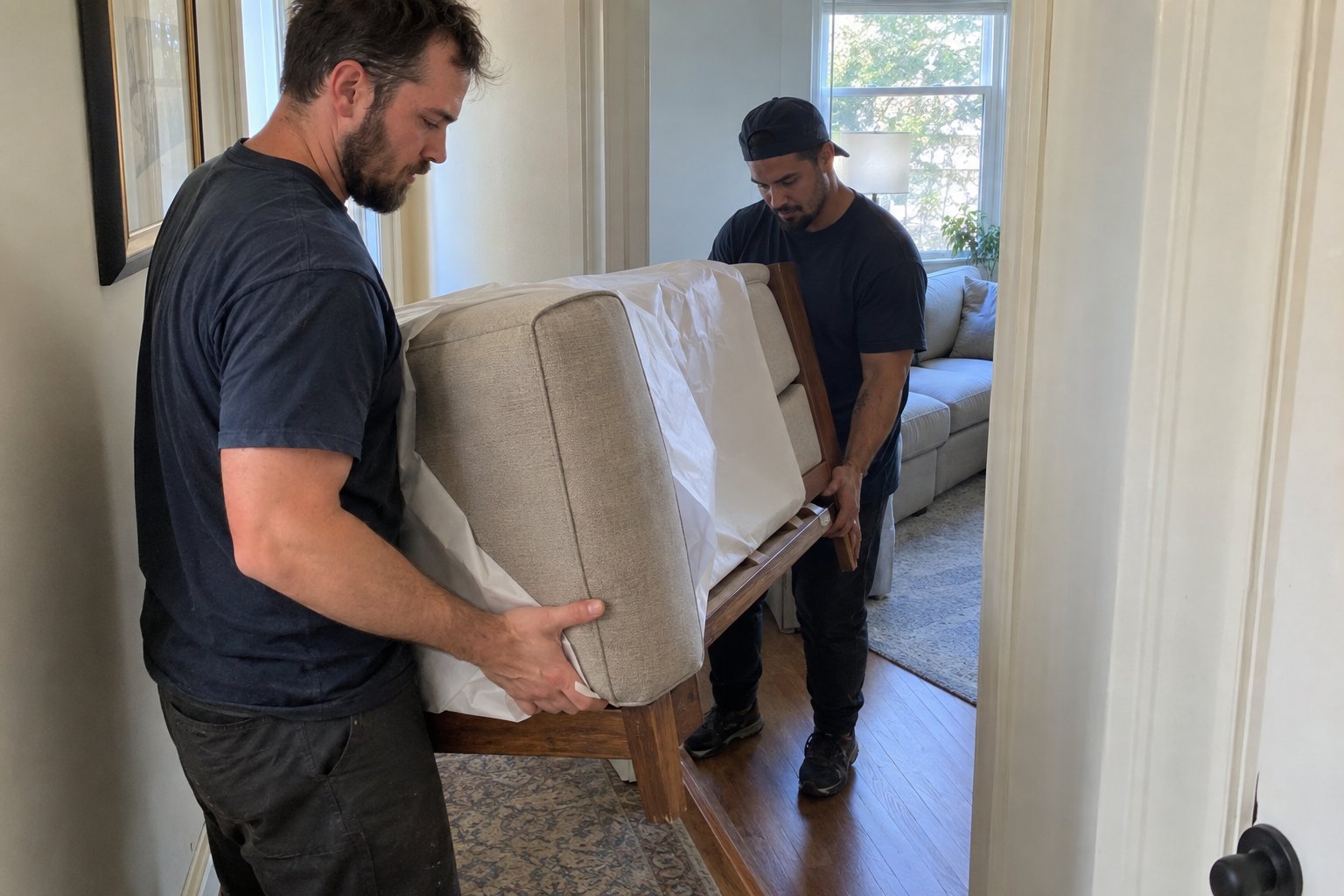
If your move involves especially heavy or awkward pieces, like large furniture that's prone to scratching floors or walls on the way out the door, plan their path to the container before loading day so you're not improvising around doorframes and stairwells with a dresser in your arms.
Packing a POD efficiently takes planning, the right materials, and a load order that protects both your belongings and the structural integrity of the stack. If you'd rather hand that part off, our crews handle container loading as part of full residential moving support, from disassembly through final strapping.
Get in touch and get a moving quote to see what a professionally loaded container looks like for your move.
Request a personalized quote and see how careful planning and reliable service make every move smoother. Our team prepares each step to handle challenges safely and efficiently.
It depends on the container size and what else is loaded alongside boxes, but a mid-size POD can typically hold the contents of a one to two bedroom home when packed efficiently with furniture disassembled and gaps filled. Request a size recommendation from your container provider based on your home's square footage.
Load heavy furniture first, positioned toward the front wall of the container, then build boxes around and behind it by descending weight. This keeps the center of gravity low and prevents heavier items from crushing lighter ones during transport.
A POD doesn't need to be completely full, but large unfilled gaps let items shift during transport, which is how furniture gets scratched and boxes get crushed. Fill gaps with soft items like blankets, pillows, or bagged linens even if you have room to spare.
This varies by provider and your scheduled pickup window, so confirm timing directly with your container company. Because it may sit for a day or more before moving, everything inside should be secured as if it's already in transit from the moment you close the door.
A POD sits stationary on your property during loading and later gets lifted onto a flatbed for transport, while a truck is driven directly, so PODs face an added jostling event during the lift and placement process. That makes extra bracing and gap-filling even more important in a POD than in a truck you drive yourself.
No long forms, no delays. Just a move that’s ready when you are. Secure your moving date today.