
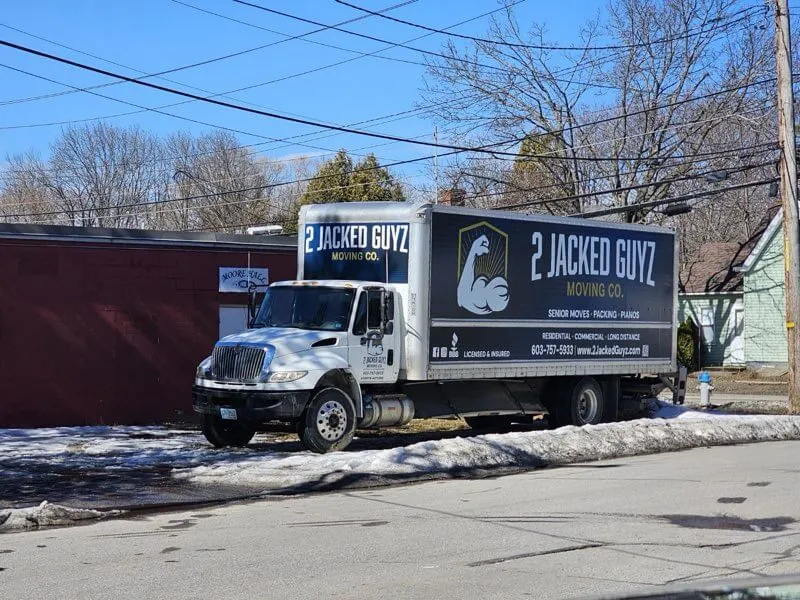

Planning how to move across the country? Get a realistic timeline, budgeting tips, and a checklist to keep your cross-country move organized start to finish.
Figuring out how to move across the country comes down to three things: starting the planning early enough, budgeting for costs people forget about, and building a realistic week-by-week timeline so nothing gets left behind at the last minute. A cross-country relocation is not just a bigger version of a local move. The distance changes how you pack, how you ship your vehicle, how you handle your mail and records, and how much lead time you need before your move date.
This guide walks through the planning process in the order most people actually need to tackle it, starting two to three months out and working toward moving day itself.
Most households should start planning a cross-country move 8 to 12 weeks before the date, and longer if you are relocating during summer, which is peak season for long-distance carriers. Early planning gives you room to compare moving companies, lock in a truck or carrier date, and handle the paperwork that a short local move does not require.
Within the first two weeks of planning, get your home measured for an inventory, request written quotes from a few moving companies, and decide whether you are packing yourself or hiring out the job. If you are weighing that decision, our guide on whether to pack yourself or hire movers to pack breaks down where the labor and time tradeoffs actually show up. For the move itself, a dedicated long distance moving crew that regularly handles interstate logistics will save you from guessing at transit times and load capacity.
Cross-country moving costs depend on distance, total weight or cubic footage, and any specialty items you need handled, so the only reliable number is the one in a written quote. Beyond the moving company's estimate, budget separately for fuel if you are driving a second vehicle, temporary lodging if the drive spans multiple days, and a short gap in income or work if your new job doesn't start immediately.
Request an in-home or video walkthrough estimate rather than a phone quote based on square footage; it is far more accurate for a long haul. You can get a moving quote from our team once you have a rough inventory and move date in mind, which gives you a real number to build the rest of your budget around instead of a guess.
New state registration fees, a security deposit on a rental, updated insurance, and stocking a new kitchen all add up fast. Set aside a buffer of a few hundred dollars beyond your moving quote for the first two weeks in your new home.
Long-distance moves charge by weight or volume, so the decluttering decision that barely matters on a local move can meaningfully change your bill across the country. Go room by room and separate items into keep, sell or donate, and toss, applying a stricter filter than you would for a move across town.
Furniture is usually the biggest judgment call. Large, heavy pieces that cost a lot to ship sometimes make more financial sense to replace at your destination. If you do decide to bring large or awkward furniture, our post on moving large furniture without damaging floors or walls covers the handling techniques that matter even more once that furniture has survived a multi-day haul.
If you own a second vehicle, you generally have three options for a cross-country move: drive it yourself, hire an auto transport service, or sell it and buy again at your destination. The right choice depends on the distance, your timeline, and whether anyone is available to make the drive.
Auto transport is worth pricing out for distances over a few hundred miles, especially if your move already involves flying or a tight timeline. If you do drive, plan the route around your moving truck's delivery window so you are not waiting around (or worse, arriving after the truck) once you reach your new state.
Your final month should be organized around deadlines, not tasks: when mail forwarding needs to start, when utilities need to be scheduled, and when your moving company needs final inventory confirmation. Working backward from moving day keeps you from scrambling in the last 72 hours.
A written timeline like this is also the backbone of what we walk clients through before any residential move, cross-country or otherwise, because the same structure prevents the same last-minute mistakes.
Give yourself at least a week after arrival before expecting your new house to feel functional. Unpack room by room starting with the kitchen and bedrooms, keep moving boxes flattened as you go so the space stays walkable, and hold off on hanging art or mounting anything until furniture is in its final position.
Register your vehicle, update your license, and find a new bank branch or pharmacy in your first two weeks. These small administrative tasks matter more on an out-of-state move than they seem to, since deadlines for registration and licensing vary by state and sometimes start counting down the day you arrive.
Request a personalized quote and see how careful planning and reliable service make every move smoother. Our team prepares each step to handle challenges safely and efficiently.
The drive or transit itself typically takes 3 to 7 days depending on distance, but most families plan 8 to 12 weeks of preparation before the move date to handle sorting belongings, hiring a mover, and setting up the new home.
It depends on how much you own and how far you are going. A DIY truck rental can save money on labor but adds fuel, lodging, and the physical burden of driving and loading yourself, so request a written quote from a moving company to compare against your real DIY costs before deciding.
Start by getting an accurate inventory and requesting quotes from moving companies, since long-distance pricing depends on weight or volume and you need that number before you can budget anything else.
Yes, some households ship large or valuable furniture through a freight or specialty shipping service rather than including it with the rest of the household goods, which can make sense for a single heirloom piece but is usually less efficient for a full household.
Keep passports, birth certificates, medical records, financial documents, and anything irreplaceable in a bag that travels with you personally rather than in the moving truck, since long-distance transit can take several days.
No long forms, no delays. Just a move that’s ready when you are. Secure your moving date today.